We're loading the full news article for you. This includes the article content, images, author information, and related articles.
A federal judge has blocked DOJ subpoenas targeting Fed Chair Jerome Powell, calling the probe a pretext to pressure interest rate policy.

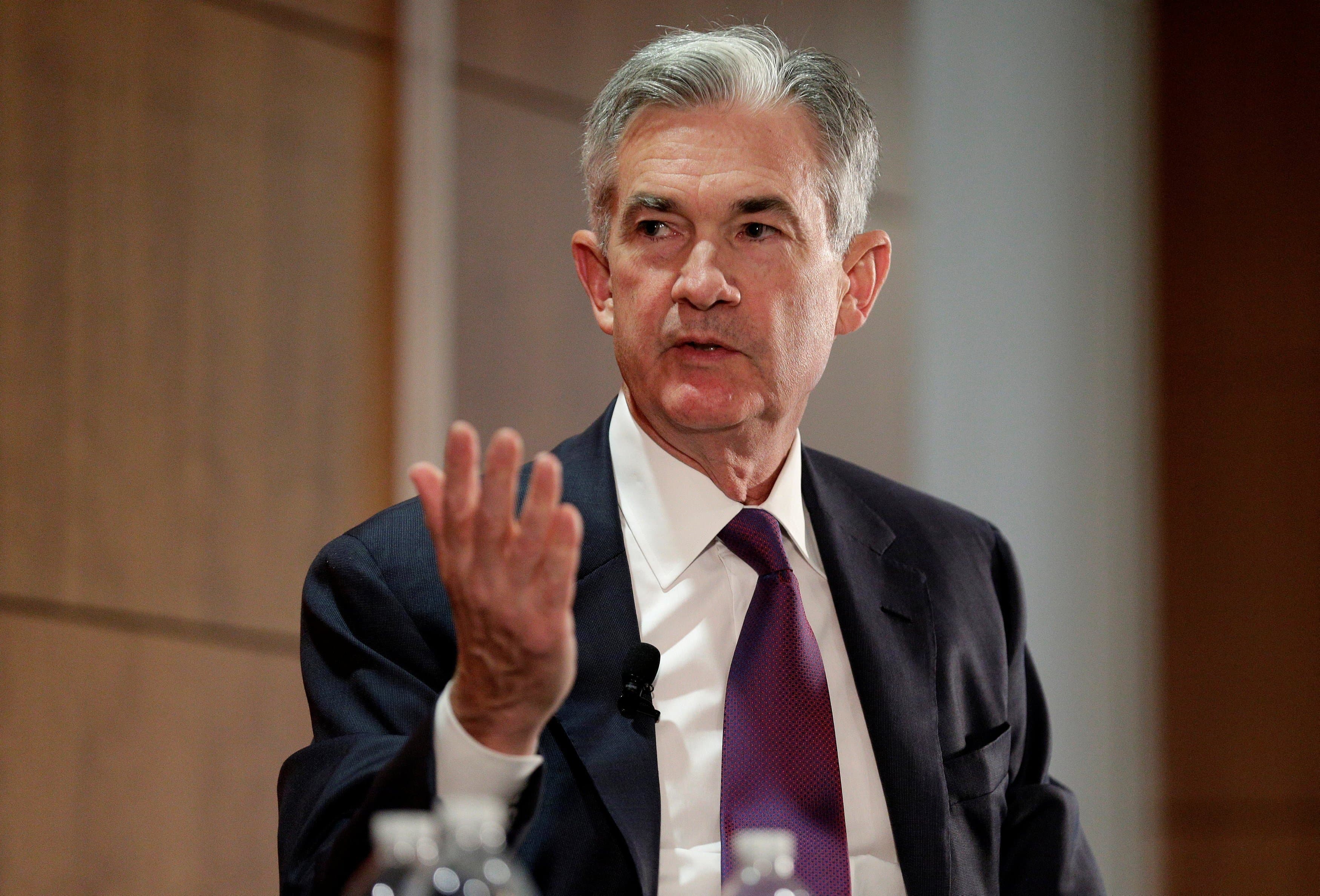
A federal judge in Washington has decisively blocked a Department of Justice effort to subpoena the Federal Reserve, delivering a sharp rebuke to prosecutors who sought to investigate Chair Jerome Powell in a case that has rattled global financial confidence. In a scathing 27-page opinion released on Friday, Chief U.S. District Judge James Boasberg dismissed the probe as a transparent attempt to exert political leverage over the central bank rather than a legitimate criminal inquiry.
This ruling marks a critical juncture in the increasingly fraught relationship between the White House and the Federal Reserve, an institution traditionally shielded by its mandate of independence. For global investors, including those in the Nairobi Securities Exchange, the stability of the U.S. dollar and the predictability of American monetary policy are paramount this legal drama introduces a new layer of volatility at a time when global markets are struggling to adjust to high interest rates and shifting economic realities.
Judge Boasberg did not mince words in his assessment of the government’s actions. The investigation, spearheaded by U.S. Attorney for the District of Columbia Jeanine Pirro, centered on alleged cost overruns and irregularities during a multi-year renovation of the Federal Reserve’s historic headquarters complex. However, the court found that the legal maneuvers were not grounded in substantiated suspicion of criminal misconduct.
According to the court’s findings, the subpoenas served to the Board of Governors were essentially weaponized to extract concessions. Boasberg noted that there was abundant evidence the investigation’s primary, if not sole, purpose was to harass and pressure Powell into either yielding to executive branch demands for lower interest rates or resigning his post. He concluded that the government had offered essentially zero evidence that Powell committed any crime other than displeasing the President.
The implications of this standoff extend well beyond the bureaucratic halls of Washington. Central bank independence is the bedrock of global monetary policy, acting as a buffer against short-term political populism that could otherwise jeopardize long-term price stability. When that independence is threatened, it signals to international bond markets that the world’s most powerful currency—the U.S. dollar—could be subject to political manipulation.
For Kenya and other emerging economies, where the dollar exchange rate dictates the cost of imports and debt servicing, the stability of the Federal Reserve is not merely an abstract American political issue. Financial analysts in Nairobi have long warned that any perceived encroachment on the Fed’s autonomy could lead to capital flight, as investors move away from dollar-denominated assets, potentially putting further pressure on the Shilling, which is already grappling with global inflationary currents. If the U.S. central bank is seen as bowing to political cycles rather than economic data, the resulting market uncertainty typically manifests as heightened volatility for currencies in the East African region.
The following events illustrate the rapid deterioration of the relationship between the central bank and the executive branch over the past few months:
The legal defeat is likely to further complicate the White House’s transition plans. President Donald Trump has made little secret of his desire to replace the current Fed leadership with a more amenable figure, nominating Kevin Warsh to take the helm when Powell’s term concludes in mid-May. However, the nomination process has hit a significant snag in the U.S. Senate.
Senator Thom Tillis, a key Republican lawmaker, has effectively blocked the confirmation of Warsh, refusing to allow a vote until the criminal investigation into Powell is resolved. This legal setback for the DOJ does not necessarily end the standoff rather, it entrenches the political paralysis. As the administration pledges to appeal the ruling to the D.C. Circuit, the uncertainty hanging over the leadership of the world’s most influential central bank remains unresolved.
The question now shifting to the forefront is whether this confrontation will embolden or deter future attempts to compromise the integrity of institutional checks and balances. While the court has provided a temporary shield for the central bank’s independence, the political environment suggests that the pressure on Jerome Powell—and his successor—is far from dissipating. For now, the global markets must contend with a stalemate that pits the rule of law against the weight of executive will.
Keep the conversation in one place—threads here stay linked to the story and in the forums.
Sign in to start a discussion
Start a conversation about this story and keep it linked here.
Other hot threads
E-sports and Gaming Community in Kenya
Active 10 months ago
Popular Recreational Activities Across Counties
Active 10 months ago
The Role of Technology in Modern Agriculture (AgriTech)
Active 10 months ago
Investing in Youth Sports Development Programs
Active 10 months ago
Key figures and persons of interest featured in this article