We're loading the full news article for you. This includes the article content, images, author information, and related articles.
A federal judge in San Francisco has granted Anthropic a preliminary injunction against the Department of Defense, citing potential First Amendment retaliation.

A federal courthouse in San Francisco became the unlikely front line for the future of artificial intelligence yesterday, as a federal judge granted a preliminary injunction halting the Department of Defense from enforcing a supply-chain blacklist against Anthropic. The order, which arrives amidst a high-stakes standoff between Silicon Valley and the Pentagon, signals the first major constitutional pushback against federal attempts to coerce private AI companies into supporting military applications.
The ruling strikes a significant blow to the administration’s efforts to enforce compliance through procurement power. At stake is not merely a commercial contract worth an estimated $200 million (approximately KES 26.8 billion), but the precedent of whether the U.S. government can label tech firms as "national security risks" simply because they refuse to align their model usage policies with military doctrine.
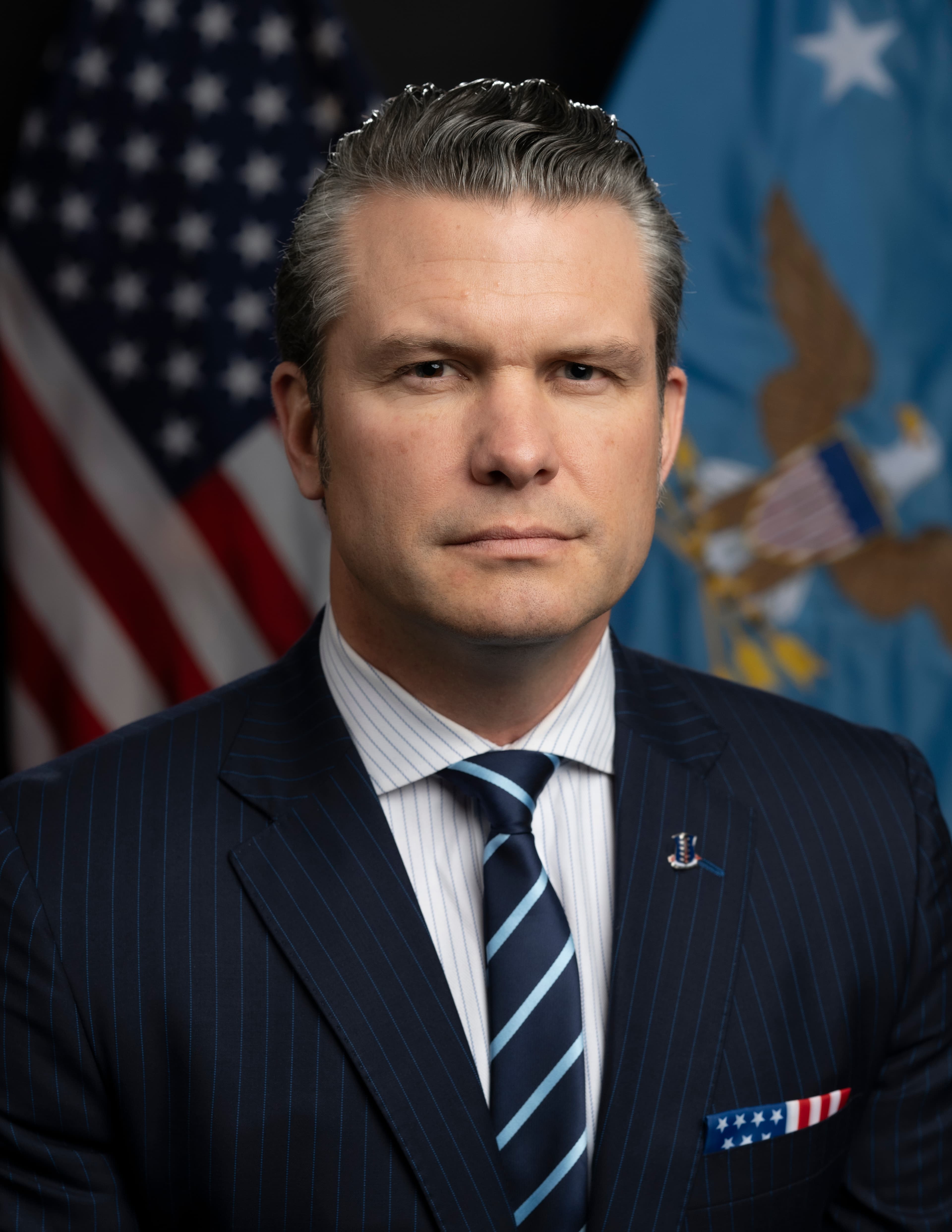
The conflict traces back to early 2026, when the Department of Defense, under the leadership of Secretary Pete Hegseth, demanded that Anthropic lift safety restrictions on its Claude AI models to facilitate use in domestic surveillance and autonomous weaponry. Anthropic, citing its constitutional commitment to "safe and responsible AI," refused to comply with the directive, leading the Department of Defense to formally designate the company as a supply-chain risk.
The designation effectively barred other government contractors from doing business with Anthropic, a move the company’s legal team argued was direct retaliation for their refusal to engage in conduct they considered ethically compromising. In her ruling, the presiding judge emphasized that while the government holds broad authority over national security procurement, that power cannot be wielded as a weapon to silence a private entity’s ideological or safety-based objection to the use of its own technology.
The tech industry has been watching the litigation with bated breath. While companies like OpenAI and Google have moved quickly to fill the void left by Anthropic’s blacklisting—securing substantial defense contracts—the legal uncertainty remains. Industry analysts note that for firms like Anthropic, which have built their brand on "constitution-based AI" and rigorous ethical guardrails, the Pentagon’s ultimatum represented an existential threat.
If the government had succeeded in forcing Anthropic to degrade its safety protocols, it would have effectively signaled that moral or ethical constraints are subordinate to military needs. The San Francisco ruling offers at least a temporary reprieve, affirming that the First Amendment provides a shield for companies that wish to stand by their core development principles, even when those principles clash with the demands of the national security establishment.
For observers in Nairobi, this conflict carries profound lessons regarding AI sovereignty. As Kenya accelerates its own investment in digital infrastructure—evidenced by the expansion of data centers in Konza Technopolis and Nairobi—the debate over who controls AI tools is not merely a domestic US issue. If US-based firms can be forced to weaponize their models at the behest of a superpower, it raises alarms for smaller nations that rely on these same foundational models.
Policymakers in East Africa must consider the potential for "regulatory dependency." If a model is tuned to the strategic requirements of the US Department of Defense, it may not be suitable, or even safe, for use in the regional context, where the geopolitical priorities are entirely different. This case serves as a warning that relying on foreign-built "black box" models comes with the risk that those tools could be repurposed or restricted based on political currents in Washington.
The legal battle is far from over. The Department of Justice is expected to appeal the injunction, and the Pentagon is likely to double down on its strategy of partnering with firms more willing to accommodate military integration. However, by granting the injunction, the court has ensured that the "supply-chain risk" label cannot be used as a blunt instrument to coerce the private sector.
As the November 2026 midterms approach, the intersection of AI, national security, and civil liberties will only intensify. Whether the judiciary will continue to protect the independence of AI companies against the weight of federal procurement power remains the defining question of the next year. For now, Anthropic has won a critical breathing room, but the fundamental tension between technological sovereignty and national defense remains unresolved.
Keep the conversation in one place—threads here stay linked to the story and in the forums.
Sign in to start a discussion
Start a conversation about this story and keep it linked here.
Other hot threads
E-sports and Gaming Community in Kenya
Active 10 months ago
The Role of Technology in Modern Agriculture (AgriTech)
Active 10 months ago
Popular Recreational Activities Across Counties
Active 10 months ago
Investing in Youth Sports Development Programs
Active 10 months ago
Key figures and persons of interest featured in this article