We're loading the full news article for you. This includes the article content, images, author information, and related articles.
Mr Samuel of the APC secured 17,269 to defeat his closest opponent, Zakwoyi Danlami of the PDP, who polled 15,824 in the Kuje Area Council elections.
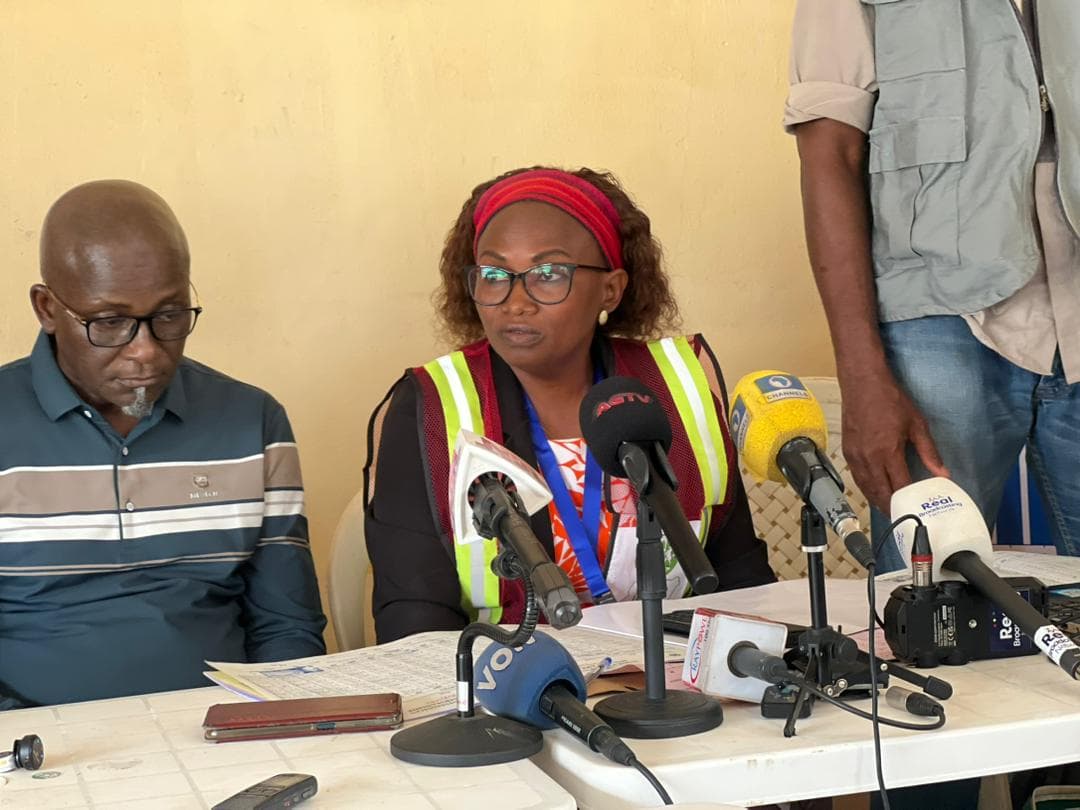
The All Progressives Congress (APC) has secured a vital political victory in Nigeria's Federal Capital Territory, with Mr. Danjuma Samuel winning the fiercely contested Kuje chairmanship election against the PDP's Zakwoyi Danlami.
The ballots have been counted, and Kuje has spoken. The APC retains its grip on local governance in one of Abuja's most critical area councils.
This election provides a fascinating comparative lens for East African political observers. Just as Kenya grapples with the complexities of county devolution and local resource allocation, Nigeria's local government elections highlight the intense grassroots battles that ultimately shape national political landscapes. Understanding these dynamics is crucial for appreciating the broader trajectory of African democracy.
The Independent National Electoral Commission (INEC) officially declared Mr. Danjuma Samuel the winner after a tense collation process. The final tally showcased a polarized electorate but a decisive mandate. Samuel secured 17,269 votes, edging out his primary rival, Zakwoyi Danlami of the Peoples Democratic Party (PDP), who polled a respectable 15,824 votes.
The relatively tight margin of roughly 1,400 votes underscores the competitive nature of FCT politics. Kuje Area Council is a microcosm of Nigeria's diverse demographics, housing indigenous populations, civil servants, and a growing influx of urban migrants. Winning here requires a delicate balancing act of appealing to traditional authorities while promising modern infrastructural development.
For the APC, retaining Kuje is a strategic imperative. The capital territory remains a highly visible battleground, and local government chairmen wield significant administrative and financial power, making them key assets ahead of larger national electoral cycles.
While operating under different constitutional frameworks, the Kuje election mirrors the intense contestation seen in Kenyan gubernatorial and MCA races. Local elections in Africa are increasingly becoming referendums on immediate service delivery rather than grand ideological battles.
Mr. Samuel now faces the daunting task of fulfilling his campaign promises in an era of tightening national economic conditions. Infrastructure development, security, and youth employment were the cornerstones of his platform, and the electorate will demand swift action.
The peaceful conclusion of the #FCTDecides2026 election is a positive indicator for Nigeria's electoral integrity. However, the true test of democracy lies in the aftermath. The PDP has urged its supporters to remain calm while it reviews the electoral data, maintaining the delicate peace in the capital territory.
For the residents of Kuje, the politicking is over. They now await the dividends of democracy, hoping the new administration will prioritize development over partisan retribution.
As local leaders take office across the continent, the universal demand remains identical: less rhetoric, more paved roads, and a tangible improvement in the standard of living.
Keep the conversation in one place—threads here stay linked to the story and in the forums.
Sign in to start a discussion
Start a conversation about this story and keep it linked here.
Other hot threads
E-sports and Gaming Community in Kenya
Active 9 months ago
The Role of Technology in Modern Agriculture (AgriTech)
Active 9 months ago
Popular Recreational Activities Across Counties
Active 9 months ago
Investing in Youth Sports Development Programs
Active 9 months ago



