We're loading the full news article for you. This includes the article content, images, author information, and related articles.
As Clinton Mogesa’s body is identified in Donetsk, families in Nairobi demand action against rogue recruitment agencies luring youth into Russia’s war with false promises.
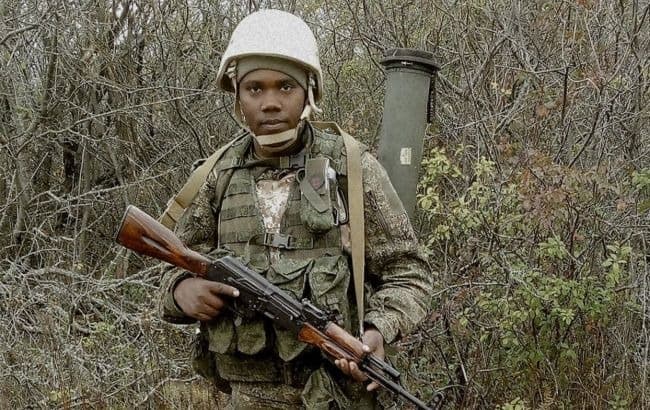
The silent arrival of body bags—or the agonizing lack thereof—is tearing apart families in Nairobi as the true cost of the Russia-Ukraine war hits home. Following the confirmed death of 29-year-old Clinton Mogesa in Donetsk, a wave of grief and anger is rising among parents whose sons were trafficked into a war they did not understand.
In a tearful press briefing in Nairobi, families of missing and deceased fighters demanded answers from the government. They painted a picture of deceptive recruitment agencies that promised lucrative security jobs in Russia, only for their children to be handed rifles and marched to the frontlines of Europe’s bloodiest conflict since World War II.
The story of Oscar Agolla, a former KDF soldier, mirrors that of Mogesa. His father, Charles Ojiambo, struggled to speak through his tears. "My son left in May. He traveled through Istanbul. He told us he had a good job," Ojiambo recounted. "The next photo he sent was from a trench. He was with 13 other Kenyans. He said, 'Baba, pray for me, this is not what they promised.' now he is dead."
Rights group Vocal Africa, which organized the briefing, claims to have verified at least 18 Kenyan deaths. However, survivors returning with injuries suggest the number of Kenyans on the frontline could be as high as 500.
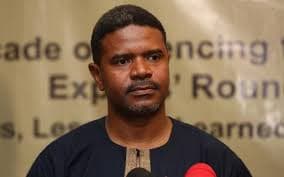
Hussein Khalid, Executive Director of Vocal Africa, termed the situation a "national crisis" and a gross violation of human rights. He called for an immediate crackdown on the rogue agencies facilitating this travel. "We are witnessing state-sanctioned human trafficking disguised as labor migration," Khalid charged.
The economic desperation in Kenya, with high youth unemployment, makes these offers irresistible. A salary of $2,000 (approx. KES 260,000) a month is a fortune to a jobless graduate. But as the body count rises, the currency of that payment is revealed to be blood.
For the Ojiambo family and the Mogesa family, the tragedy is compounded by the inability to bury their dead. Bodies are often left on the battlefield or stored in mass morgues in Russia, with repatriation being a costly and diplomatic nightmare.
"I don't want the money," Ojiambo said, clutching a photo of his son in uniform. "I just want his body. I want to bury him at home. Is that too much for a father to ask?" As the war grinds on, hundreds more Kenyan families wait by their phones, dreading the call from a foreign number.
Keep the conversation in one place—threads here stay linked to the story and in the forums.
Sign in to start a discussion
Start a conversation about this story and keep it linked here.
Other hot threads
E-sports and Gaming Community in Kenya
Active 10 months ago
The Role of Technology in Modern Agriculture (AgriTech)
Active 10 months ago
Popular Recreational Activities Across Counties
Active 10 months ago
Investing in Youth Sports Development Programs
Active 10 months ago
Key figures and persons of interest featured in this article