We're loading the full news article for you. This includes the article content, images, author information, and related articles.
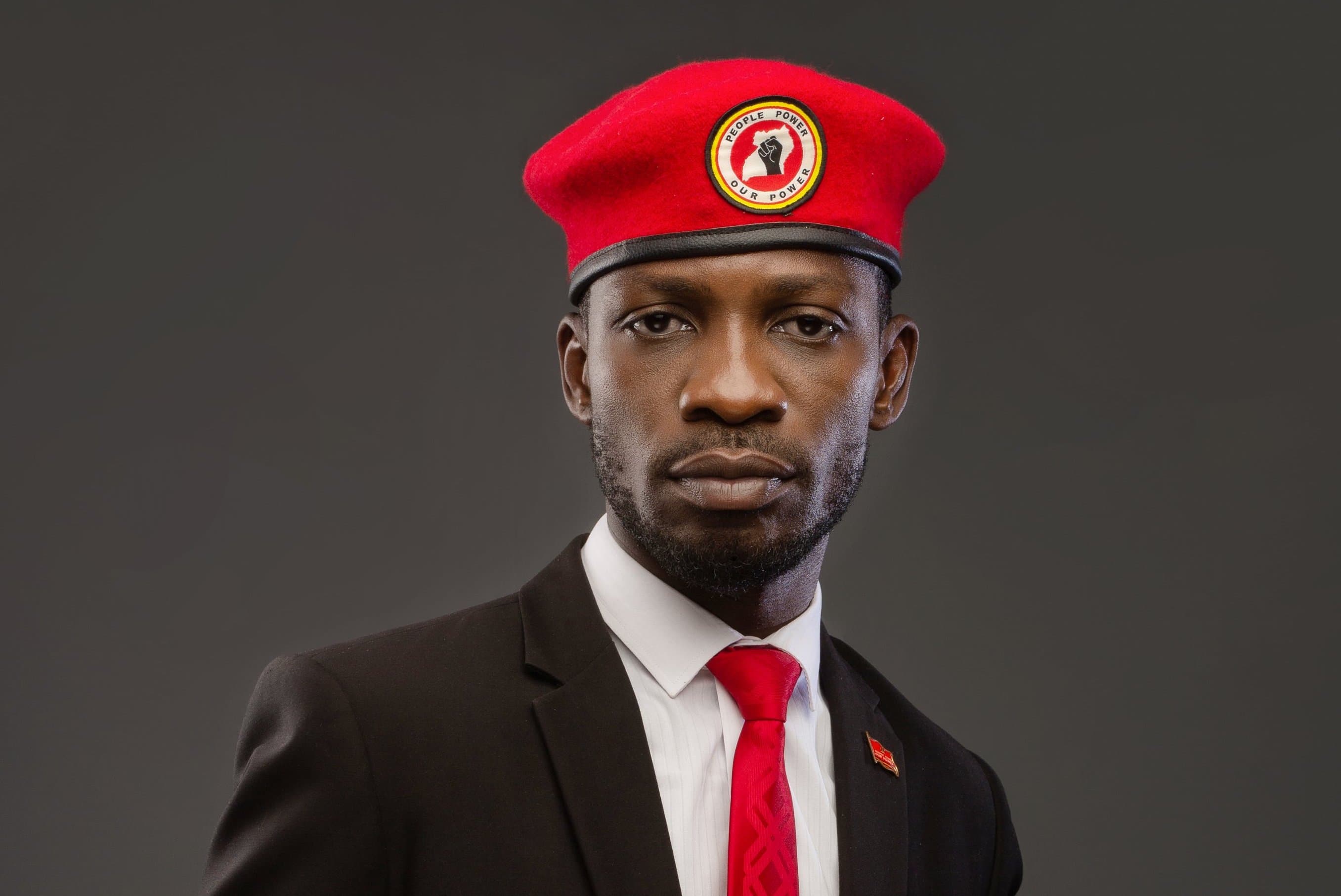
Bobi Wine dismisses early election results giving President Museveni a huge lead as "fake," citing the exclusion of his agents and a lack of transparency.

Uganda’s presidential election on January 15, 2026 has erupted into controversy after provisional results showed President Yoweri Museveni in a commanding lead, and opposition leader Robert “Bobi Wine” Kyagulanyi has rejected the figures, calling them fraudulent and urging Ugandans not to recognise them.
Early tallies released by the Electoral Commission indicate that Museveni, who has been in power since 1986, is leading with about 75–76% of votes counted so far, while Bobi Wine trails at around 19–21%. The figures come from partial results covering a significant portion of polling stations but are not yet final.
The commission is expected to announce final results by Saturday, January 17, 2026.
Bobi Wine, the National Unity Platform (NUP) candidate, has publicly rejected the provisional results as “fake” and questioned the transparency of the count. His party and supporters allege ballot stuffing, interference with polling agents, and an internet blackout that hindered communication and monitoring during the election.
In social media posts before his communications were severely limited by outages, Wine cited reports of widespread irregularities and called on Ugandans not to accept the results.
The election period has been marked by serious disruptions:
A nationwide internet blackout during the vote restricted access to information and hindered independent reporting on polling processes.
Reports of clashes between supporters and security forces have emerged, with at least several people killed in central regions such as Butambala following disputes over vote outcomes.
Opposition leaders allege that security forces surrounded Wine’s residence, effectively placing him under house arrest, although authorities have offered contrasting accounts of events.
The 2026 election follows a campaign period with intensified repression against the opposition, including arrests and alleged harassment of NUP members. Prior to the polls, there were reports of mobilisation of police and military, opposition rallies disrupted, and use of force against supporters.
Museveni’s long tenure and repeated electoral victories have historically drawn criticism from human rights groups and some foreign governments for perceived shortcomings in democratic processes. International observers have raised concerns about internet restrictions, voter intimidation, and electoral transparency in past elections, and similar issues have surfaced in the current vote.
As official results are completed and announced, scrutiny from Ugandan civil society, international bodies, and regional partners will intensify. Opposition rejection of results often leads to legal challenges, diplomatic statements, and, in some cases, unrest — all of which will test Uganda’s political stability and governance frameworks in the coming days.
Keep the conversation in one place—threads here stay linked to the story and in the forums.
Sign in to start a discussion
Start a conversation about this story and keep it linked here.
Other hot threads
E-sports and Gaming Community in Kenya
Active 9 months ago
The Role of Technology in Modern Agriculture (AgriTech)
Active 9 months ago
Popular Recreational Activities Across Counties
Active 9 months ago
Investing in Youth Sports Development Programs
Active 9 months ago
Key figures and persons of interest featured in this article