We're loading the full news article for you. This includes the article content, images, author information, and related articles.
The Ministry of Trade remains unyielding on the revised Standards Levy, dismissing warnings that raising the annual cap from KES 400,000 to KES 4 million will trigger a fresh wave of inflation for the Kenyan consumer.

A high-stakes boardroom standoff between the government and Kenya’s manufacturing sector has spilled into the public domain, with the State defending a controversial tenfold increase in the mandatory Standards Levy. As the Ministry of Investments, Trade and Industry digs in its heels, industry captains are warning that the boardroom bill will inevitably be settled at the kitchen table—by the Kenyan consumer.
At the heart of the conflict is the newly enforced Standards (Standards Levy) Order 2025. While the government frames the adjustment as a long-overdue modernization of a 35-year-old law, manufacturers argue it is a crushing blow to a sector already grappling with high energy costs and unpredictable taxation.
For decades, the levy paid to the Kenya Bureau of Standards (KEBS) for quality assurance was capped at a modest KES 400,000 annually per manufacturer. Under the new regime, that ceiling has been shattered, rising by 1,000% to KES 4 million per year for the next five years, with provisions to climb even higher to KES 6 million by 2030.
While the base rate remains at 0.2% of monthly turnover, the removal of the old ceiling means medium and large-scale enterprises—those producing essentials like maize flour, cooking oil, and cement—will see their compliance costs skyrocket overnight.
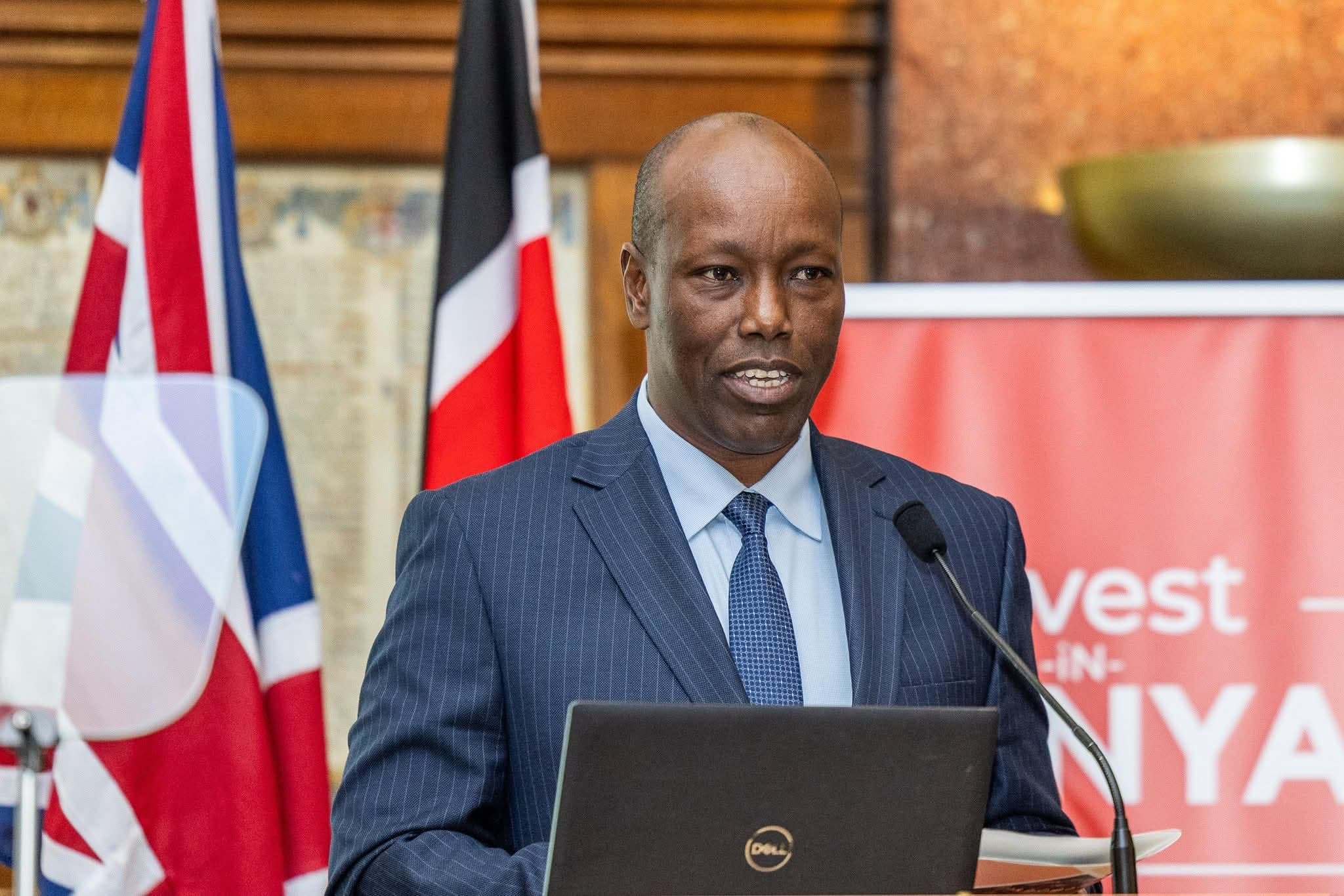
Cabinet Secretary for Investments, Trade and Industry, Lee Kinyanjui, has strongly defended the move, noting that the levy had remained stagnant since 1990 despite massive inflationary changes over the last three decades.
"We cannot run a 2025 quality infrastructure on a 1990 budget," officials from the Ministry noted during a heated stakeholder engagement. KEBS Managing Director Esther Ngari emphasized that the additional revenue—projected to double from KES 700 million to KES 1.4 billion annually—is critical for upgrading testing laboratories and market surveillance systems to keep unsafe goods off Kenyan shelves.
The State also points to the exemption of Micro, Small, and Medium Enterprises (MSMEs) with a turnover of less than KES 5 million as proof that the policy is pro-growth, shielding the smallest players while asking established giants to pay their fair share.
However, the Kenya Association of Manufacturers (KAM) and other industry lobbies contend that the timing could not be worse. With the cost of doing business already high, manufacturers have signaled that they cannot absorb the extra KES 3.6 million per entity. Instead, this cost is likely to be passed down the supply chain.
"This is not just a tax on profit; it is a tax on production," warned a senior executive at a leading Nairobi-based food processor who requested anonymity. "When you tax the factory floor, you are taxing the packet of unga on the shelf. The consumer will pay the difference."
Economists warn that while the levy targets manufacturers, its impact will be regressive. A hike in the cost of producing basic goods like soap, cooking fat, and construction materials disproportionately affects low-income households, potentially reversing recent gains in stabilizing the cost of living.
As the implementation deadline looms, the standoff leaves the Kenyan shopper in a precarious position: waiting to see if the government's quest for quality will come at the price of affordability.
Keep the conversation in one place—threads here stay linked to the story and in the forums.
Sign in to start a discussion
Start a conversation about this story and keep it linked here.
Other hot threads
E-sports and Gaming Community in Kenya
Active 9 months ago
The Role of Technology in Modern Agriculture (AgriTech)
Active 9 months ago
Popular Recreational Activities Across Counties
Active 9 months ago
Investing in Youth Sports Development Programs
Active 9 months ago
Key figures and persons of interest featured in this article