We're loading the full news article for you. This includes the article content, images, author information, and related articles.
Kilifi County unveils plans for ultra-modern markets in Malindi, promising to transform the livelihoods of traders with cold storage and secure stalls.
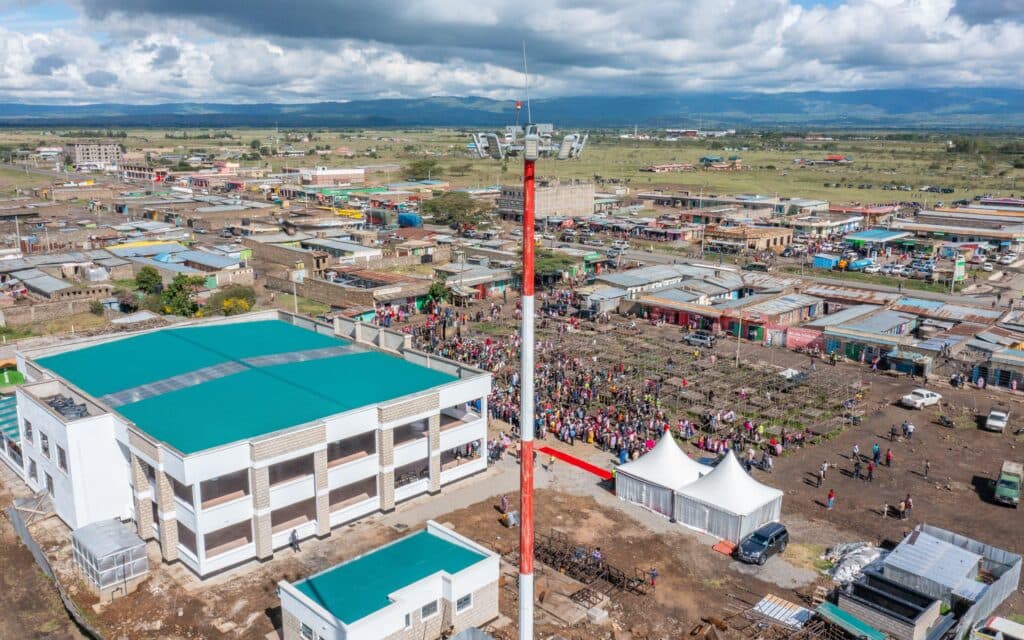
The dusty, chaotic charm of Malindi’s open-air markets is set for a radical architectural overhaul. In a bid to revive the coastal town’s economic engine, the Kilifi County Government has unveiled ambitious plans to construct state-of-the-art market facilities, promising dignity and sanitation to thousands of traders.
This infrastructure injection comes as a lifeline for small-scale enterprises (SMEs) that have weathered the storms of post-COVID tourism slumps and fluctuating seasons. The proposed "newmodern" markets are designed not just as trading spaces but as commercial ecosystems, integrating cold storage for fishermen, proper waste disposal systems, and secure stalls for the Mama Mbogas who feed the town.
For decades, traders in Malindi have operated at the mercy of the elements, their wares exposed to the scorching coastal sun and the erratic heavy rains. The new project aims to end this era of vulnerability. "We are moving from survival to sustainability," a county trade official remarked. "A trader selling tomatoes should not have to close shop because of rain. That is a loss for the household and a loss for the county revenue."
The design blueprints reportedly borrow from successful market models in Kigali and Dar es Salaam, emphasizing ventilation, hygiene, and accessibility. This modernization is crucial for Malindi, a town that balances a fragile dual economy of tourism and agriculture. By professionalizing the marketplaces, the county hopes to attract not just local shoppers but also tourists looking for authentic, hygienic Swahili spices and crafts.
However, skepticism remains the ghost at the banquet. Coastal residents have seen colorful artistic impressions before, only for projects to stall in the labyrinth of procurement bureaucracy. The "White Elephant" graveyard is crowded in Kenya.
Traders are demanding strict timelines and transparency in the allocation of stalls to ensure that the genuine hawkers—not political cronies—are the primary beneficiaries. As the groundwork begins, the message from the streets of Malindi is loud: "Build it, but build it for us."
Keep the conversation in one place—threads here stay linked to the story and in the forums.
Sign in to start a discussion
Start a conversation about this story and keep it linked here.
Other hot threads
E-sports and Gaming Community in Kenya
Active 9 months ago
The Role of Technology in Modern Agriculture (AgriTech)
Active 9 months ago
Popular Recreational Activities Across Counties
Active 9 months ago
Investing in Youth Sports Development Programs
Active 9 months ago