We're loading the full news article for you. This includes the article content, images, author information, and related articles.
In a sharp critique, educationist Collins Oliver Ariko argues Kenya's ambitious curriculum risks becoming a system for the rich, leaving public school students dangerously behind.
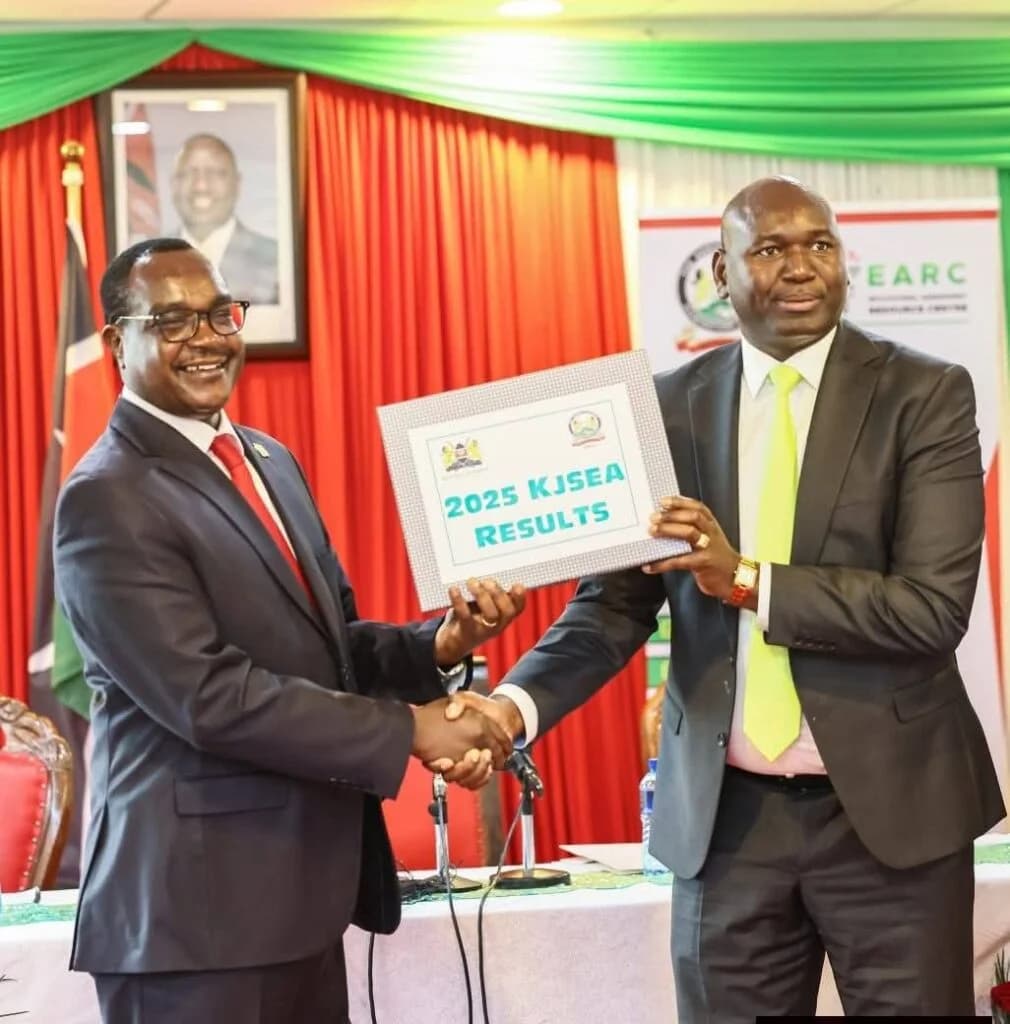
An education expert has issued a stark warning that Kenya's Competency-Based Curriculum (CBC) is systematically failing students in public schools, creating a deep and damaging educational divide.
In a detailed analysis, Collins Oliver Ariko, an educationist with the Teachers Service Commission, argues that the success of the new curriculum is now dangerously tied to a school's wealth rather than its educational promise. This critique lands as the nation debates the first results from the Kenya Junior Secondary Education Assessment (KJSEA), placing the future of millions of children at a critical crossroads.
Ariko's assessment, published in the Daily Nation, paints a grim picture of a two-tiered system. He notes that private schools, with their manageable class sizes, better resources, and functional laboratories, are adapting seamlessly to CBC's demands for practical, learner-centred education.
In stark contrast, public schools remain crippled by what he terms "significant systemic constraints." This creates an "implementation gap"—a vast difference between the policy's ambitious goals and the harsh realities faced by teachers and students in overcrowded, under-equipped classrooms across the country.
To illustrate the crisis, Ariko draws a powerful parallel to Kenya's healthcare system. He observes that just as patients are often referred from public hospitals due to a lack of diagnostic equipment, students in public schools are effectively sent elsewhere to find the essential tools for a modern education.
The problem, Ariko emphasizes, is not the CBC vision itself, which aligns with global best practices. The failure lies in launching a sweeping reform without the necessary financial commitment to see it succeed for every child.
He argues that for CBC to fulfill its transformative promise, the nation must shift from "curricular enthusiasm to systemic readiness." This requires a massive, sustained investment in several key areas:
Without these foundational pillars, Ariko warns, assessing students on skills they have little opportunity to practice is both unfair and unethical. His analysis concludes that the power of education can only be realized when access to quality learning is equitable for all.
Keep the conversation in one place—threads here stay linked to the story and in the forums.
Sign in to start a discussion
Start a conversation about this story and keep it linked here.
Other hot threads
E-sports and Gaming Community in Kenya
Active 9 months ago
The Role of Technology in Modern Agriculture (AgriTech)
Active 9 months ago
Popular Recreational Activities Across Counties
Active 9 months ago
Investing in Youth Sports Development Programs
Active 9 months ago



