We're loading the full news article for you. This includes the article content, images, author information, and related articles.
The acquittal of the former Nairobi Governor highlights persistent challenges in prosecuting high-profile corruption cases, placing scrutiny on the strength of evidence presented by state anti-graft agencies.
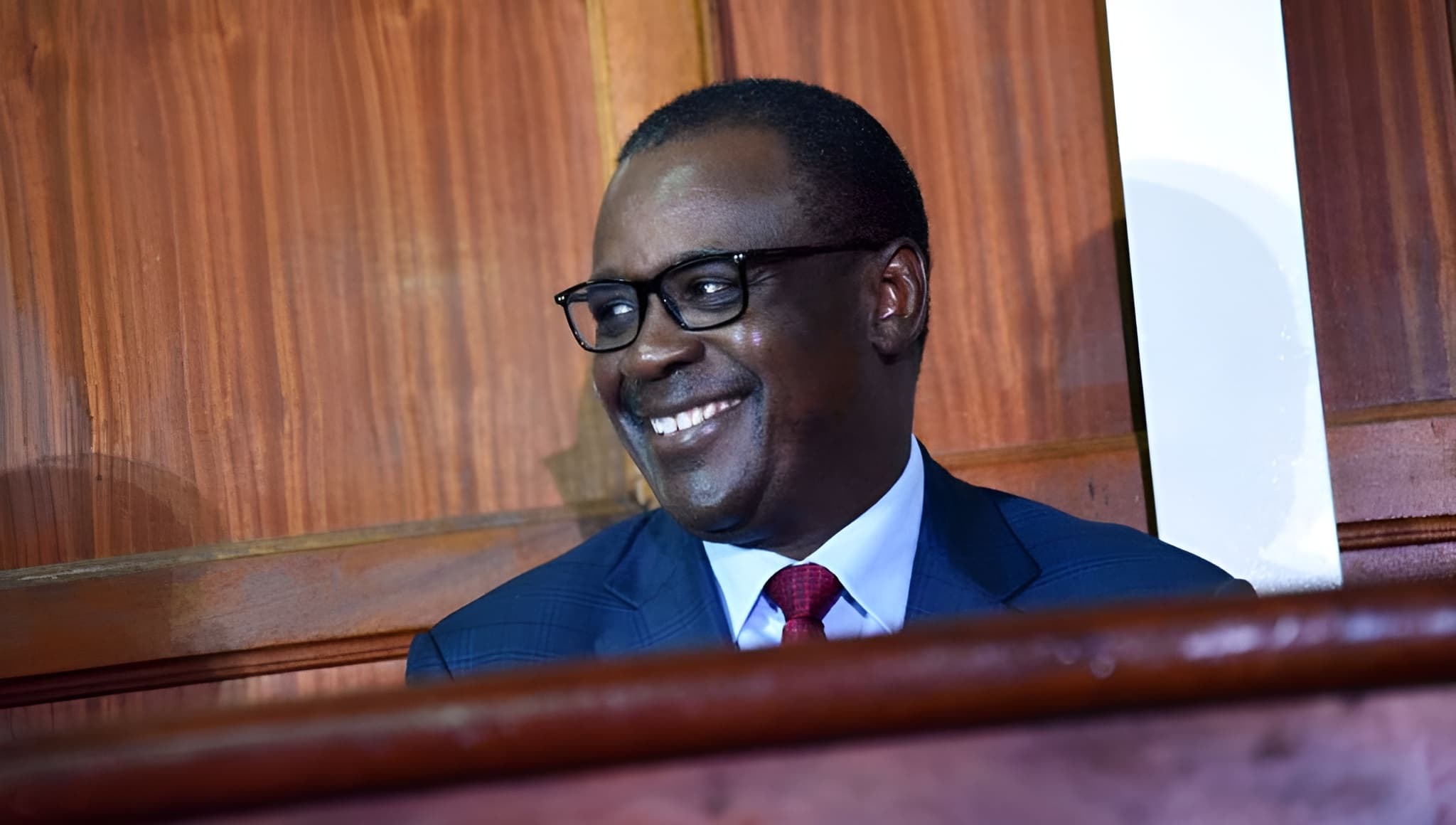
Former Nairobi Governor Evans Kidero and six others were acquitted of most charges in a Ksh213 million corruption case on Thursday, November 6, 2025, after a Nairobi court ruled that the prosecution failed to provide sufficient evidence to proceed to a full trial. The decision, delivered by Milimani Anti-Corruption Court Chief Magistrate Victor Wakumile, brings a five-year legal battle to a partial close and renews focus on Kenya's challenges in securing convictions in major graft cases.
Dr. Kidero, who served as Nairobi's first governor from 2013 to 2017, was cleared alongside former senior county officials, including former County Secretary Lilian Ndegwa and former Chief Finance Officer Jimmy Mutuku Kiamba. The magistrate acquitted them on 17 of the 35 counts, which included conspiracy to commit corruption, abuse of office, and fraudulent acquisition of public property, under Section 210 of the Criminal Procedure Code. This section allows for an acquittal when a court finds that the prosecution has not established a prima facie case, meaning there is no sufficient evidence to require the accused to mount a defence.
The case, initiated by the Ethics and Anti-Corruption Commission (EACC), alleged that between January 2014 and January 2016, Dr. Kidero and his co-accused conspired to defraud the Nairobi City County of Ksh213,327,300. The prosecution, led by the Office of the Director of Public Prosecutions (ODPP), claimed these funds were paid to two companies, Lodwar Wholesalers Ltd and Ngurumani Traders Ltd, for services that were never rendered.
Specifically, the prosecution accused Dr. Kidero of receiving Ksh24 million from Lodwar Wholesalers. However, Magistrate Wakumile determined that the evidence presented did not directly link the former governor to the alleged illicit transactions. In his ruling, the magistrate noted that the prosecution's witnesses gave testimony that was favourable to the accused on the initial 17 counts. Dr. Kidero's defence had consistently argued that the prosecution's case was built on speculation and lacked concrete proof of a conspiracy.
While Dr. Kidero and the other senior officials were acquitted, the court ruled that there is a case to answer for the remaining charges. Former Head of Accounting at Nairobi County, Stephen Ogago Osiro, will be placed on his defence. Additionally, the directors of the two firms implicated, John Githua Njogu and Grace Njeri Githua, will also proceed to the defence stage to answer charges of fraudulently acquiring public property.
This acquittal is the latest in a series of high-profile corruption cases that have collapsed in Kenya, often due to insufficient evidence, withdrawal of charges, or technicalities. This trend has raised significant public concern and scrutiny over the effectiveness of the country's anti-corruption agencies. According to a 2024 report by Transparency International, Kenya's score on the Corruption Perceptions Index slightly declined, partly attributed to a "dearth of successful prosecutions in graft cases witnessed in the recent past." The report noted that cases were often dragged out, withdrawn, or resulted in acquittals, eroding public confidence in the justice system.
Organizations like the International Commission of Jurists (ICJ Kenya) have pointed to systemic challenges, including the difficulty of prosecuting senior officials who may control state institutions, leading to impunity. The failure and withdrawal of numerous corruption prosecutions have been cited as an indication of a lack of will or capacity to effectively combat high-level graft. The EACC itself has reported varying conviction rates over the years, highlighting the persistent struggle in seeing complex corruption cases through to a successful conclusion. As of the time of this report, neither the EACC nor the ODPP had issued a formal public statement on the acquittal. FURTHER INVESTIGATION REQUIRED.
The outcome of the Kidero case underscores the critical importance of robust and meticulous evidence-gathering by investigative bodies like the EACC before cases are forwarded for prosecution. Legal analysts suggest that such acquittals place the burden squarely on the prosecution to build watertight cases that can withstand judicial scrutiny, particularly when public figures are involved.
For the Kenyan public, this result may deepen cynicism about the state's commitment to fighting corruption, a vice that has been declared a threat to national security. As the trial of Mr. Osiro and the company directors proceeds, it will be closely watched for its potential to shed further light on the alleged financial improprieties at City Hall during that period. Dr. Kidero, who has consistently maintained his innocence, welcomed the court's decision as a step toward his vindication after a prolonged legal battle.
Keep the conversation in one place—threads here stay linked to the story and in the forums.
Sign in to start a discussion
Start a conversation about this story and keep it linked here.
Other hot threads
E-sports and Gaming Community in Kenya
Active 9 months ago
The Role of Technology in Modern Agriculture (AgriTech)
Active 9 months ago
Popular Recreational Activities Across Counties
Active 9 months ago
Investing in Youth Sports Development Programs
Active 9 months ago



