We're loading the full news article for you. This includes the article content, images, author information, and related articles.
Brussels cracks down on the 'Blue Tick' chaos and transparency failures, signaling a global shift in digital accountability that validates frustrations felt by Kenyans on Twitter.
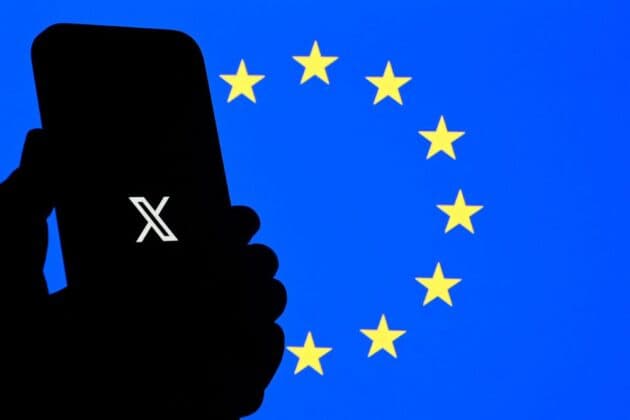
The era of unchecked digital impunity for Elon Musk’s X has hit a rigid European wall, resulting in a staggering financial penalty that reverberates from Brussels to Nairobi. In a landmark decision that challenges the tech giant's operational model, the European Commission has fined the platform formerly known as Twitter €120 million ($140 million).
For Kenyan observers, the figure is eye-watering—approximately KES 18.9 billion. But beyond the price tag, this ruling serves as a critical indictment of the platform's shift away from reliable verification. The Commission’s decision targets specific breaches of the Digital Services Act (DSA), effectively declaring that the platform's current structure prioritizes profit over the truth, a reality that has increasingly complicated the digital lives of millions of users worldwide.
The core of the dispute lies in the erosion of trust. European regulators identified significant shortcomings in how X manages transparency and user safety. Specifically, the Commission took aim at the platform's controversial overhaul of the "Blue Tick" system. Once a badge of authenticity for journalists, governments, and trusted institutions, the checkmark became a purchasable commodity following Musk's 2022 takeover.
According to the Commission's findings, this "pay-to-play" model has:
For the vibrant 'Kenyans on Twitter' (KOT) community, this ruling validates long-held frustrations. The democratization of the blue checkmark has made it increasingly difficult for local users to distinguish between legitimate news sources and paid imposters, particularly during high-stakes national events where verified information is a matter of safety.
This penalty is the culmination of a deepening rift between the 27-member bloc and Silicon Valley. While the EU has frequently clashed with US-based tech giants over market monopolies, this case is distinct: it is about the fundamental architecture of information flow.
The relationship has been deteriorating for some time. A year ago, the European Federation of Journalists abandoned the platform entirely. In a scathing statement, the Federation warned that the site “no longer serves the public interest at all,” alleging it had morphed into a “preferred vector for conspiracy theories, racism, far-right ideas and misogynistic rhetoric.”
Musk’s own conduct has fueled the fire. The tech mogul has previously used his massive platform to amplify controversial figures, including voicing support for Germany’s far-right Alternative for Germany party. In more extreme instances, he has reshared imagery conflating the EU flag with Nazi symbolism and posted inflammatory predictions about civil unrest in Britain.
While X has yet to issue a formal counter-strategy to this specific fine, the message from Europe is unambiguous: the digital wild west is closing. As other nations watch closely, the question for Kenya is whether local regulators will eventually demand similar accountability from platforms that hold so much sway over public discourse.
Keep the conversation in one place—threads here stay linked to the story and in the forums.
Sign in to start a discussion
Start a conversation about this story and keep it linked here.
Other hot threads
E-sports and Gaming Community in Kenya
Active 9 months ago
The Role of Technology in Modern Agriculture (AgriTech)
Active 9 months ago
Popular Recreational Activities Across Counties
Active 9 months ago
Investing in Youth Sports Development Programs
Active 9 months ago
Key figures and persons of interest featured in this article