We're loading the full news article for you. This includes the article content, images, author information, and related articles.
**Brussels is locked in a high-stakes debate over a plan to loan Ukraine billions of euros from frozen Russian central bank assets, a move that could reshape war financing but carries significant legal and financial risks.**
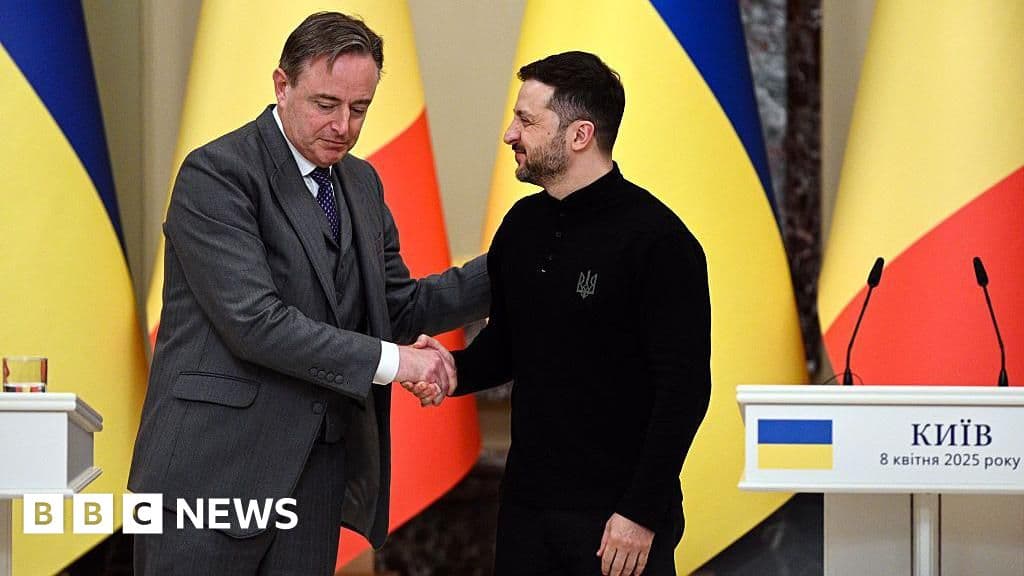
European Union leaders are gathered in Brussels for a pivotal summit to decide on a contentious proposal: using an estimated €210 billion (approx. KES 31.8 trillion) in frozen Russian sovereign assets to secure a massive loan for Ukraine. The decision is fraught with tension, pitting the urgent need to fund Kyiv's war effort against fears of legal retaliation from Moscow and instability in the global financial system.
For Kenyans, the outcome of these distant talks could have tangible consequences. The Russia-Ukraine war has already disrupted global supply chains, contributing to spikes in fuel, fertilizer, and food prices in Kenya. Further escalation or prolonged instability resulting from the EU's decision could once again pressure household budgets across the country.
The core of the proposal involves using the immobilized Russian funds, the majority of which are held at the Euroclear depository in Belgium, as collateral for a loan to Ukraine. Proponents, including EU foreign policy chief Kaja Kallas, argue it is a necessary step to ensure Ukraine can sustain its defence. "Supporting Ukraine costs money," Kallas stated, "But letting Ukraine fall would cost us much more."
However, the plan faces stiff opposition, most notably from Belgium. Prime Minister Bart De Wever has warned of the immense legal and financial risks, fearing that his country could be held liable if Russia successfully sues for the return of its assets. A recent poll showed that 67% of Belgians oppose the plan, fearing the potential impact on their nation's financial sector. Italy, Bulgaria, and Malta have also expressed reservations, suggesting alternative financing methods like issuing common EU debt.
Russia has vehemently condemned the proposal as "theft" and has already initiated legal action. Russia's central bank has filed a lawsuit in Moscow against Euroclear, seeking damages of around $230 billion (approx. KES 29.7 trillion). While EU courts would not recognize a Russian judgment, analysts warn that Moscow could seek to enforce rulings in friendly jurisdictions, potentially seizing European assets in countries like China or the UAE.
The Kremlin has made it clear it views this as a red line. One official warned that if the assets are used, "Belgium, and me personally, will feel the effects for eternity." This has created a deadlock, with the EU having indefinitely frozen the assets but remaining divided on how to proceed.
As the summit continues, the world watches to see if European leaders will cross this financial Rubicon. The decision will not only determine the future of funding for Ukraine but could also set a precedent that reshapes international law and the stability of the global financial order.
Keep the conversation in one place—threads here stay linked to the story and in the forums.
Sign in to start a discussion
Start a conversation about this story and keep it linked here.
Other hot threads
E-sports and Gaming Community in Kenya
Active 9 months ago
The Role of Technology in Modern Agriculture (AgriTech)
Active 9 months ago
Popular Recreational Activities Across Counties
Active 9 months ago
Investing in Youth Sports Development Programs
Active 9 months ago