We're loading the full news article for you. This includes the article content, images, author information, and related articles.
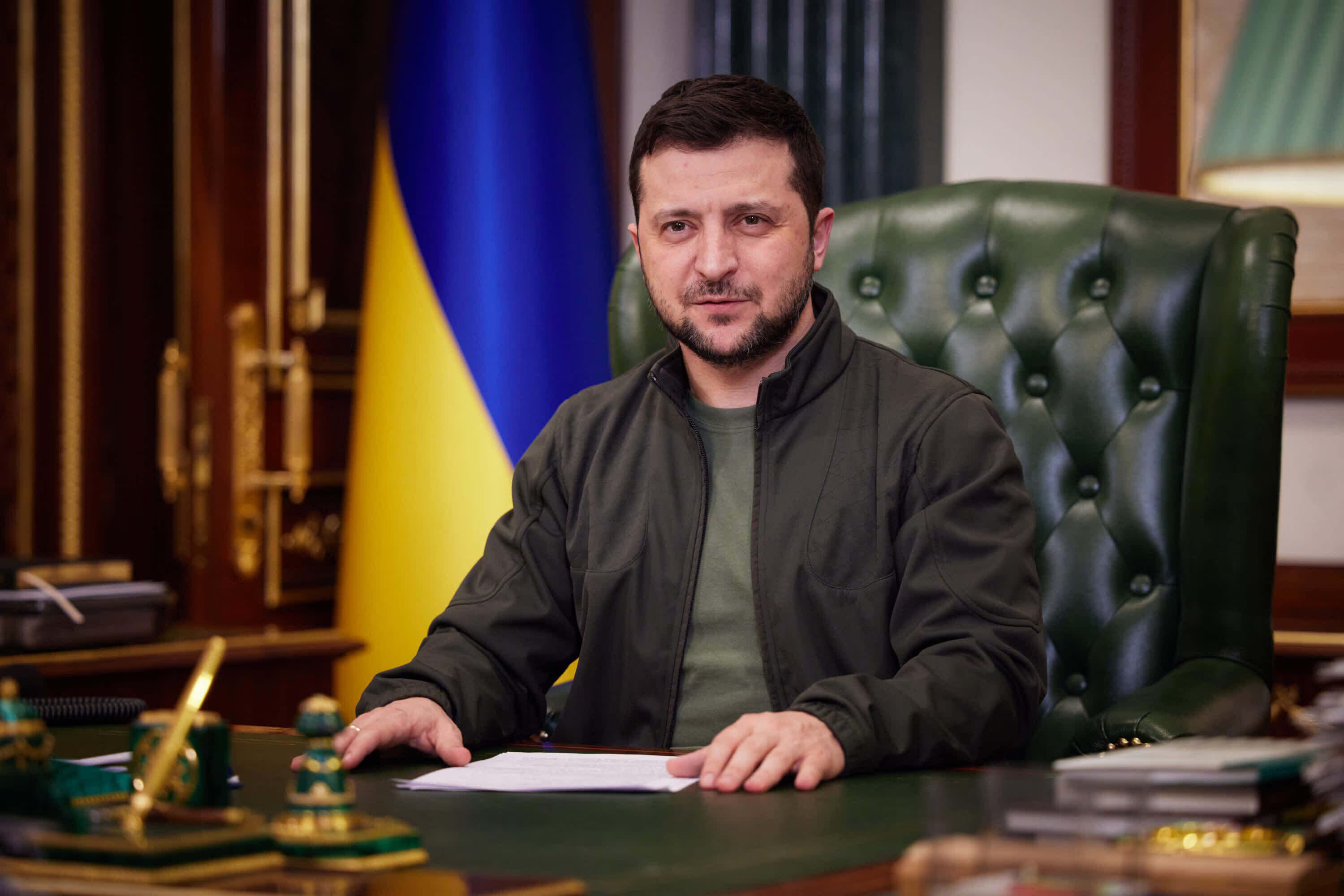
President Zelenskyy warns of new Russian drone bases in Belarus as EU tensions flare over Hungary, deepening the geopolitical crisis on day 1,490.

The shadow of the Ukraine conflict lengthened significantly this week as Kyiv confirmed intelligence reports that Moscow is establishing long-range drone control bases within Belarusian territory. This tactical expansion, now in its 1,490th day, threatens to drag Minsk further into the direct line of fire while simultaneously exposing deep fissures within the European Union regarding its internal security protocols.
The strategic shift, announced by President Volodymyr Zelenskyy, underscores a grim reality for the region: the war is not merely grinding on—it is widening. As Russia attempts to solidify its operational depth, the ripple effects are being felt far beyond the frontlines, impacting global fuel markets, inflaming diplomatic tensions in Brussels, and complicating the path toward reconstruction. For observers in Nairobi and across Africa, these developments serve as a stark reminder of how European security architectures directly influence global commodity pricing and economic stability.
The core of the latest escalation lies in the Kremlin's intent to construct four control stations for long-range attack drones within Belarus. President Zelenskyy has been explicit in his warning, suggesting that such a move would necessitate a decisive, albeit unspecified, response from Ukrainian forces. For months, Kyiv has monitored the creep of Belarusian involvement, fearing that the nation’s borders could transform from a passive logistical base into an active command-and-control hub for Russian aerial campaigns.
The implications of this move are multi-fold:
Ukrainian military intelligence reports that the infrastructure for these facilities is already in development. Zelenskyy’s direct instructions to his service chiefs indicate that Ukraine is preparing to inform international partners, potentially setting the stage for new diplomatic pressure on the Lukashenko regime.
While the battlefield dynamics shift, the European Union is grappling with a widening internal crisis. Reports citing the Washington Post have alleged that Hungarian Foreign Minister Péter Szijjártó has maintained a channel for passing sensitive EU negotiating details to his Russian counterpart, Sergei Lavrov. This revelation has sparked outrage in Brussels, particularly as Hungary continues to block a critical €90 billion (approximately KES 11.7 trillion) aid package for Ukraine.
The Hungarian government has dismissed these allegations as conspiracy theories, yet the damage to institutional trust appears significant. EU officials, including spokespersons for the European Commission, have demanded clarity, noting that the bloc's functioning relies on an unspoken pact of confidentiality and shared strategic interest. This impasse is not merely a bureaucratic disagreement it effectively hamstrings the EU's ability to present a unified front at a time when the war is entering a new, more volatile phase.
The geopolitical instability extends to the Middle East, where Russia is increasingly accused of funneling intelligence and advanced drone technology to Iran. President Zelenskyy has labeled this a destructive cycle that serves to prolong conflicts in both the Middle East and Eastern Europe. This intelligence sharing, which the Kremlin continues to deny, has direct consequences for the global economy.
As these regional conflicts intersect, the volatility in energy markets has become a primary concern for net-importing nations. When the flow of fuel is disrupted or when sanctions and counter-sanctions manipulate supply chains, the resulting price shocks are felt acutely in emerging markets. Data confirms that the destabilization in these corridors is already complicating the fuel situation in countries far removed from the physical theater of war, driving up inflationary pressures and threatening energy security for millions of citizens who have no hand in the conflict.
Amidst this backdrop of violence and political maneuvering, a tenuous effort toward reconstruction continues. Senior US officials recently visited Kyiv to discuss the US-Ukraine Reconstruction Investment Fund, a project aiming to secure $200 million (approximately KES 26 billion) in strategic investments by the end of the year. This fund, born out of a minerals deal signed in April, seeks to develop critical sectors including hydrocarbon extraction and dual-use technologies.
However, the stark contrast between the investment goals and the daily casualty count remains a haunting reality of this war. According to the United Nations, an estimated 15,364 civilians, including 775 children, have been killed since the invasion began in February 2022. Every announcement of a new economic fund is shadowed by the reports from regional administrators in Poltava and Zaporizhzhia, where missile strikes continue to destroy residential buildings, hotels, and critical infrastructure, claiming innocent lives and leaving dozens wounded in single, catastrophic barrages.
As the international community watches these dual paths of reconstruction and destruction unfold, the question remains whether diplomatic and financial instruments can outpace the momentum of military escalation. With negotiations for an end to the four-year war reportedly stalled and overshadowed by secondary conflicts, the path to peace appears increasingly obstructed by the very strategies intended to leverage a military advantage.
The coming weeks will likely prove decisive. If the Belarus-based drone bases become operational, the geometry of the war will have irrevocably shifted, compelling both Ukraine and its Western partners to reassess their own defensive and retaliatory capabilities. In this high-stakes environment, where institutional trust is failing and civilian lives are treated as collateral, the world is left to wonder if the framework for security is collapsing alongside the ruins of the cities under siege.
Keep the conversation in one place—threads here stay linked to the story and in the forums.
Sign in to start a discussion
Start a conversation about this story and keep it linked here.
Other hot threads
E-sports and Gaming Community in Kenya
Active 10 months ago
The Role of Technology in Modern Agriculture (AgriTech)
Active 10 months ago
Popular Recreational Activities Across Counties
Active 10 months ago
Investing in Youth Sports Development Programs
Active 10 months ago
Key figures and persons of interest featured in this article