We're loading the full news article for you. This includes the article content, images, author information, and related articles.
The prolonged closure of Nakuru War Memorial Hospital leaves state-of-the-art equipment unused and forces thousands of patients to seek care elsewhere.
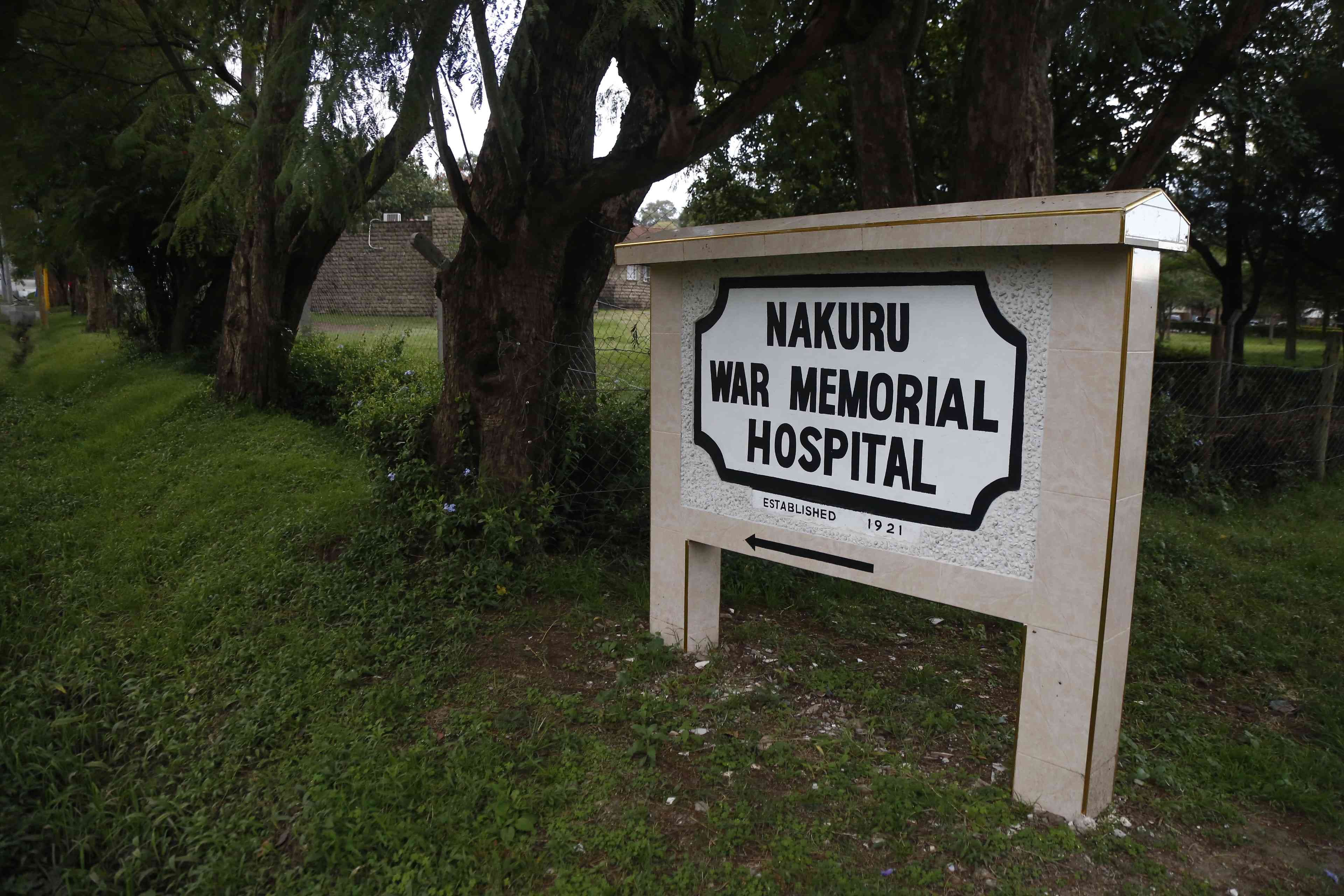
The prolonged closure of Nakuru War Memorial Hospital leaves state-of-the-art equipment unused and forces thousands of patients to seek care elsewhere.
The gates of the Nakuru War Memorial Hospital remain firmly shut, casting a long, devastating shadow over the region's healthcare landscape. Vital medical lifelines have been severed.
This closure, enacted in early 2024 amid a bitter land dispute with the county government, has triggered an acute crisis. Thousands of patients are now navigating a fractured system, exposing the fragile reality of healthcare access in the Rift Valley.
Prior to its sudden shutdown, the Nakuru War Memorial Hospital was a cornerstone of medical provision in the county. Handling upwards of 300 patients daily, it served as a critical alternative to the often-congested Nakuru Level Five Hospital. The facility was renowned for its specialized care, particularly its maternity and renal units. Today, millions of shillings worth of advanced medical equipment lie idle, gathering dust while the community suffers.
The human cost is profound and deeply personal. Patients requiring regular, life-sustaining treatments, such as kidney dialysis, have been abruptly displaced. Many are now forced to undertake arduous and expensive journeys to the capital, Nairobi, located over 150 kilometres away. For peasant farmers and low-income earners, the transportation costs and the physical toll of travel are unsustainable, pushing vulnerable families further into financial distress and jeopardizing their health.
The impact extends far beyond the immediate patient population. The closure has resulted in significant job losses for hundreds of healthcare professionals and support staff. The local economy, which benefited from the hospital's operations and the influx of patients from neighbouring counties, has also absorbed a substantial hit. The situation underscores the intricate link between stable healthcare institutions and regional economic resilience.
Residents have repeatedly voiced their frustrations, highlighting the hospital's historical role as a sanctuary for specialized care. Testimonies recount instances where the hospital provided critical interventions for complex births, regardless of a family's immediate ability to clear the bill. The absence of such an institution leaves a dangerous void in emergency and specialized medical response capabilities.
The core of the crisis lies in a protracted legal battle over the hospital's leasehold. While the courts navigate the complexities of land ownership and public interest, the immediate healthcare needs of the population remain unmet. The county government faces mounting pressure to resolve the dispute and restore services, but bureaucratic hurdles and political posturing continue to stall any meaningful progress.
The scenario in Nakuru serves as a stark warning about the vulnerability of critical infrastructure to administrative and legal disputes. It highlights the urgent need for mechanisms that protect essential services, ensuring that political or legal conflicts do not compromise the fundamental right to health.
"Without this facility, many people are undoubtedly suffering; the resolution cannot wait for the slow wheels of justice when lives are on the line."
Keep the conversation in one place—threads here stay linked to the story and in the forums.
Sign in to start a discussion
Start a conversation about this story and keep it linked here.
Other hot threads
E-sports and Gaming Community in Kenya
Active 9 months ago
The Role of Technology in Modern Agriculture (AgriTech)
Active 9 months ago
Popular Recreational Activities Across Counties
Active 9 months ago
Investing in Youth Sports Development Programs
Active 9 months ago