We're loading the full news article for you. This includes the article content, images, author information, and related articles.
A BBC investigation uncovers 11 illegal "super sites" and over 500 active dumps in England, revealing a lucrative organized crime network exploiting waste disposal laws.
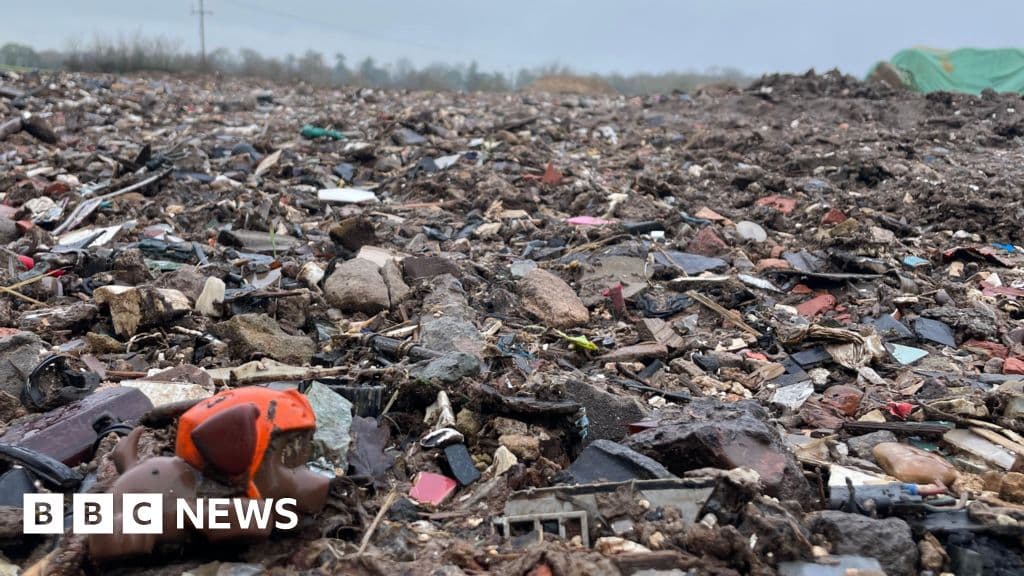
A shadow industry is poisoning the English countryside. A BBC investigation has exposed the scale of a criminal enterprise that has turned green belts into toxic graveyards, identifying hundreds of illegal dumps and at least 11 "super sites" operating with impunity.
The findings reveal a disturbing alliance between environmental degradation and organized crime. While the Environment Agency (EA) successfully shut down over 700 illegal tips in the 2024/25 period, the hydra has grown new heads. Data shows that 517 dumps remain active, many of them industrial-scale operations that process waste for cash, bypassing landfill taxes and environmental regulations.
These are not merely fly-tipping spots where a van dumps a mattress. These are sophisticated logistical operations. The investigation identified 11 "super sites," each holding tens of thousands of tonnes of waste.
The economics of this crime are simple and lucrative. Legitimate waste disposal attracts a landfill tax of approximately £126 (approx. KES 21,500) per tonne. Criminal gangs undercut this price, charging businesses a fraction of the cost to take their waste, only to bury it in rented barns, fields, or abandoned industrial lots. The profits are astronomical, often rivaling the drug trade but with significantly lower judicial risks.
"We are fighting a war on multiple fronts," an Environment Agency spokesperson admitted. "We are pulling every lever to disrupt those who profit from the harm illegal waste sites cause." Yet, the reality on the ground is one of frustration. Residents living in the shadow of these dumps report a litany of horrors: plague-like swarms of flies, the constant stench of rotting matter, and the terrifying prospect of toxic fires.
In Gloucestershire, near the Over roundabout, witnesses described a hive of activity where 30 to 50 heavy goods vehicles were seen entering a site daily at the operation's peak. This level of traffic suggests a coordinated network involving haulage firms, brokers, and landowners, some of whom are coerced by gangs.
The environmental toll is incalculable. As these illicit landfills decompose, they release methane and leach toxic "tea" into the water table, poisoning the land for generations. For England, a nation that prides itself on its green and pleasant land, these festering sores are a stark reminder that where there is money to be made, organized crime will find a way to dirty its hands.
Keep the conversation in one place—threads here stay linked to the story and in the forums.
Sign in to start a discussion
Start a conversation about this story and keep it linked here.
Other hot threads
E-sports and Gaming Community in Kenya
Active 9 months ago
The Role of Technology in Modern Agriculture (AgriTech)
Active 9 months ago
Popular Recreational Activities Across Counties
Active 9 months ago
Investing in Youth Sports Development Programs
Active 9 months ago