We're loading the full news article for you. This includes the article content, images, author information, and related articles.
Industry experts warn that a lack of enforcement is allowing companies to bypass Kenyan professionals, stifling skills transfer and economic growth.
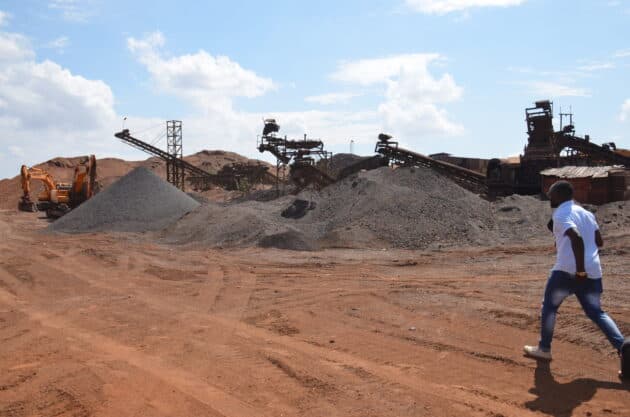
Kenyan engineers are watching from the sidelines as the country’s mineral wealth is extracted, warning that mining firms are flagrantly ignoring laws meant to prioritize local talent and expertise.
The Mining Engineers Society of Kenya (MESK) argues that despite clear regulations, a lack of enforcement is denying local professionals critical skills transfer and jobs, effectively exporting the sector's value along with the minerals.
Speaking at the society's annual end-year event in Nairobi, MESK Chairman Joseph Komu painted a concerning picture of the industry. He noted that the gap between the Mining Act’s promises and the reality on the ground remains vast.
“As a society, we strongly believe in the vision of a mining sector that creates sustainable opportunities for Kenyans,” Komu stated. “This can only be realized if the legal provisions that safeguard local participation are fully enforced.”
According to the society, numerous mining operations are running with minimal or no qualified Kenyan technical professionals. This directly contravenes the Local Content Employment and Training Regulations, which were designed to ensure that the exploitation of Kenya's natural resources translates into food on the table for Kenyan families.
Komu emphasized that the government must mandate the engagement of qualified engineers before issuing mining permits. He argued this shift would yield immediate benefits:
The government, acknowledging the sector's underperformance, has reiterated its ambitious economic targets. Thomas Mutwiwa, Secretary for Mining at the Ministry of Mining, Blue Economy and Maritime Affairs, admitted the need for growth.
Representing Principal Secretary Harry Kimtai, Mutwiwa reaffirmed the state's commitment to increasing the mining sector's contribution to the Gross Domestic Product (GDP) from its current stagnant rate of approximately 1 percent to 10 percent. For context, a 10 percent share of GDP would represent a massive economic injection, potentially worth hundreds of billions of shillings annually.
Mutwiwa highlighted several reforms currently in the pipeline to streamline the sector:
While the government’s digital reforms promise efficiency, stakeholders like Komu insist that without human capital enforcement, the benefits will remain on paper. As the sector looks toward 2026, the pressure is now on the Ministry to prove that its regulations have teeth.
Keep the conversation in one place—threads here stay linked to the story and in the forums.
Sign in to start a discussion
Start a conversation about this story and keep it linked here.
Other hot threads
E-sports and Gaming Community in Kenya
Active 9 months ago
The Role of Technology in Modern Agriculture (AgriTech)
Active 9 months ago
Popular Recreational Activities Across Counties
Active 9 months ago
Investing in Youth Sports Development Programs
Active 9 months ago