We're loading the full news article for you. This includes the article content, images, author information, and related articles.
Dr. Patrick Ketiem replaces long-serving Eliud Kireger as KALRO boss, facing the urgent task of bridging the "lab-to-land" gap and commercializing research to secure Kenya’s food future.
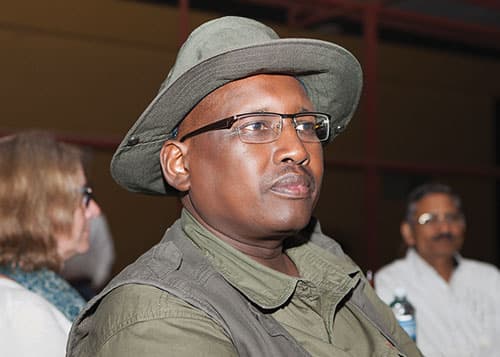
The Kenya Agricultural and Livestock Research Organization (KALRO) has ushered in a new dawn with the appointment of Dr. Patrick Ketiem as Director General, signaling a strategic pivot for the state corporation tasked with feeding the nation.
The transition marks the end of the 11-year tenure of Dr. Eliud Kireger, a man whose legacy is etched in the restructuring of Kenya’s agricultural research architecture. Dr. Ketiem’s appointment, gazetted by Agriculture Cabinet Secretary Mithika Linturi, comes at a time when the country is grappling with the twin threats of climate change and dwindling arable land. The handover is not just a change of guard; it is a generational shift in how Kenya approaches food security science.
Dr. Kireger leaves behind a transformed entity. Taking over shortly after the enactment of the KALRO Act of 2013, he oversaw the painful but necessary merger of the Kenya Agricultural Research Institute (KARI), the Tea Research Foundation, the Coffee Research Foundation, and the Kenya Sugar Research Foundation into a single behemoth. It was a logistical nightmare that Kireger navigated with a steady, if sometimes cautious, hand.
Under his watch, KALRO released over 50 drought-tolerant maize varieties and revitalized the indigenous chicken value chain. However, critics argue that the organization became too bureaucratic, with research findings often gathering dust on shelves rather than reaching the farmer in the village. The "lab-to-land" gap remains the single biggest failure of the last decade.
Dr. Ketiem, a seasoned researcher with a deep background in agricultural economics and biotechnology, steps into a hot seat. His immediate mandate is clear: modernize KALRO’s revenue streams and digitize its research dissemination. With the exchequer squeezing funding for parastatals, KALRO can no longer rely solely on government capitation. It must commercialize its intellectual property.
The stakes could not be higher. Agriculture remains the backbone of Kenya’s economy, contributing 33% to the GDP. Yet, productivity is stagnating. The average maize yield per acre in Kenya is 8 bags, compared to 35 in Argentina. Dr. Ketiem’s success will not be measured by the number of papers published in academic journals, but by the number of bags harvested in Trans Nzoia and Uasin Gishu.
As Dr. Kireger drives out of the headquarters in Loresho for the last time, the spotlight turns to Dr. Ketiem. The honeymoon will be short; the farmers are waiting, and the rains—as always—are unpredictable.
Keep the conversation in one place—threads here stay linked to the story and in the forums.
Sign in to start a discussion
Start a conversation about this story and keep it linked here.
Other hot threads
E-sports and Gaming Community in Kenya
Active 9 months ago
The Role of Technology in Modern Agriculture (AgriTech)
Active 9 months ago
Popular Recreational Activities Across Counties
Active 9 months ago
Investing in Youth Sports Development Programs
Active 9 months ago



