We're loading the full news article for you. This includes the article content, images, author information, and related articles.
The Cabinet has authorised the release of Ksh4.1 billion to scale up drought response interventions as 3.3 million people face acute food insecurity.
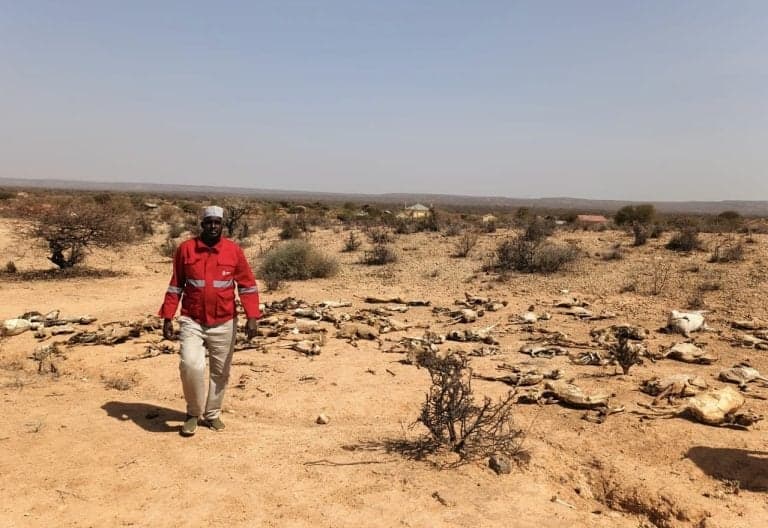
With 3.3 million lives hanging in the balance, the Cabinet has deployed a multi-billion shilling lifeline to Kenya’s parched lands.
In a desperate race against time and nature, the Cabinet has today authorized the immediate release of Ksh 4.1 billion to combat a worsening drought that threatens to plunge millions of Kenyans into famine. The decision, reached during a high-level meeting at State House, acknowledges a grim reality: the failure of the October-December short rains has pushed the Arid and Semi-Arid Lands (ASALs) to the brink of catastrophe.
The numbers are terrifying. An estimated 3.3 million people are currently facing acute food insecurity—a figure projected to rise to 3.6 million by June if interventions fail. The Cabinet dispatch painted a picture of a nation divided by climate: while some areas enjoy harvest, counties like Mandera, Wajir, Kwale, and Kilifi are in the "Alarm" phase, staring at empty granaries and drying water pans.
"The situation is deteriorating rapidly," a government spokesperson admitted. Acute malnutrition is rising, with over 810,000 children and 104,000 pregnant women now requiring nutritional support. The drought is not just killing crops; it is killing the future generation. The funds released today are earmarked for immediate relief: food distribution, water trucking, and livestock off-take programs to salvage what little value remains for pastoralists.
This recurrent cycle of drought and emergency relief exposes Kenya’s deep vulnerability to climate change. While the release of funds is a necessary humanitarian act, it is a band-aid on a festering wound. Experts argue that without massive investment in water harvesting, irrigation, and climate-smart agriculture, the Cabinet will be holding these emergency meetings every year.
For now, the trucks will roll into the north, carrying bags of maize and tanks of water. It is a lifeline for the starving, but it is also a stark reminder that for millions of Kenyans, the climate crisis is not a debate—it is a daily struggle for survival.
Keep the conversation in one place—threads here stay linked to the story and in the forums.
Sign in to start a discussion
Start a conversation about this story and keep it linked here.
Other hot threads
E-sports and Gaming Community in Kenya
Active 9 months ago
The Role of Technology in Modern Agriculture (AgriTech)
Active 9 months ago
Popular Recreational Activities Across Counties
Active 9 months ago
Investing in Youth Sports Development Programs
Active 9 months ago



