We're loading the full news article for you. This includes the article content, images, author information, and related articles.
The famously private founder of fast-fashion behemoth Shein, Xu Yangtian, has made a rare public address, pledging a massive investment in Guangdong and reaffirming the company's deep ties to China.
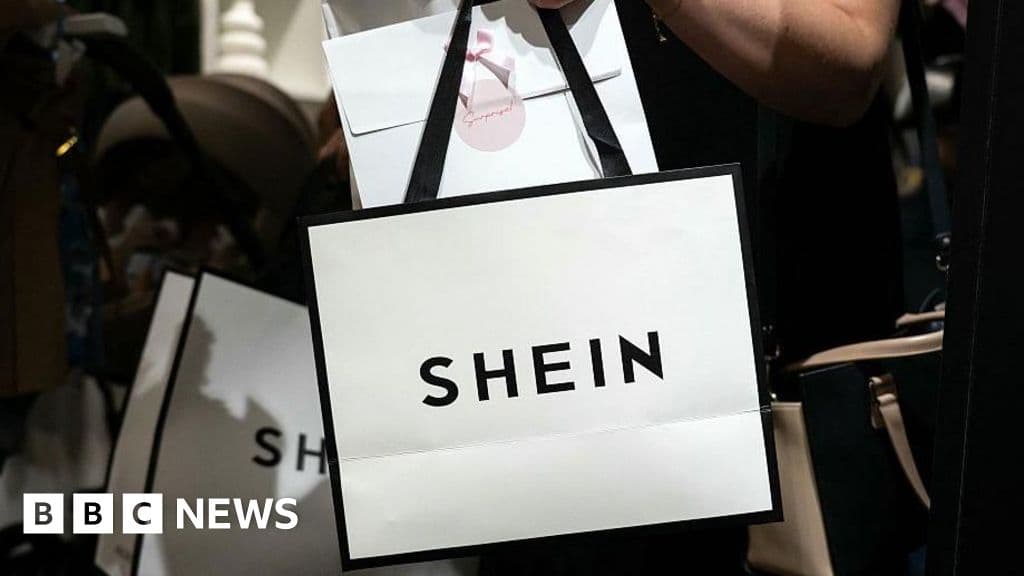
Xu Yangtian, the notoriously reclusive architect behind the global fast-fashion empire Shein, stepped into the public spotlight on Tuesday, pledging monumental investments and reaffirming his company's indelible ties to its Chinese manufacturing heartland.
This rare public declaration comes at a critical juncture for the retail titan, which has spent recent years aggressively distancing its corporate identity from Beijing amid escalating geopolitical tensions, making Xu's overt praise for the local government a fascinating strategic recalibration.
Addressing a high-profile audience of provincial officials and industry leaders at the High-quality Development Conference in Guangzhou, Xu—also known internationally as Sky or Chris Xu—delivered a meticulously crafted speech that underscored Shein's operational dependency on China. Despite the company officially relocating its global headquarters to the regulatory safe haven of Singapore, Xu made it unequivocally clear that the engine driving Shein's unprecedented success remains firmly rooted in the Pearl River Delta.
During the live-streamed event, the elusive billionaire announced a staggering commitment to invest 10 billion yuan (approximately $1.45 billion, or roughly KES 195 billion) directly into Guangdong province. This massive capital injection is earmarked to construct a cutting-edge, high-tech fashion hub designed to further optimize the region's already formidable supply chain. The goal is to dramatically enhance the digital infrastructure of local factories, accelerating production cycles and slashing operational costs to maintain the brand's hyper-competitive edge.
Xu effusively praised the local authorities, attributing Shein's meteoric rise to the "world-class business environment" fostered by the Chinese government. He vividly described the nourishment derived from Guangdong as "inseparable" from the company's DNA, signaling a robust re-embrace of the very roots the company had previously seemed eager to downplay on the international stage.
Shein's strategic pivot back toward public alignment with China highlights the immense complexities facing multinational corporations born in the mainland. Over the past few years, as tensions between Beijing and Western capitals have intensified, Shein engaged in a comprehensive corporate restructuring. Moving its headquarters to Singapore and pursuing highly publicized, yet controversial, initial public offerings (IPOs) in New York and London were widely interpreted as efforts to present a distinctly global, non-Chinese facade to skeptical Western regulators and investors.
However, the operational reality dictates a different narrative. Guangzhou is a global manufacturing powerhouse that houses the vast majority of Shein's complex, rapid-response production network. The city's unparalleled ecosystem allows the brand to identify emerging trends, design, manufacture, and ship low-cost apparel to over 160 countries in a matter of weeks. Attempting to replicate this infrastructure elsewhere has proven economically unfeasible.
The consolidation of Shein's manufacturing might in China carries significant implications for global retail, including the rapidly expanding e-commerce markets across East Africa. As Shein tightens its grip on ultra-fast, low-cost production, local textile industries in countries like Kenya face an increasingly daunting competitive landscape. The influx of highly subsidized, digitally optimized garments threatens to overwhelm nascent domestic manufacturing efforts aimed at reviving local cotton and apparel sectors.
Yet, for millions of consumers, the sheer affordability and rapid trend turnover offered by Shein remain irresistible. Xu's pledge to make Guangdong a "fertile ground" for even greater efficiency guarantees that the deluge of cheap fashion will only accelerate in the coming years. By publicly cementing his alliance with the regional government, Xu is effectively securing the political and infrastructural support necessary to weather any international regulatory storms.
The ultimate success of this delicate balancing act—courting Chinese state support while wooing Western financial markets—remains to be seen. But for now, the message from the top is unmistakable: the heart of the fast-fashion revolution beats in Guangzhou.
"Shein will remain firmly rooted in Guangdong and build a world-class fashion industry cluster," Xu declared, definitively anchoring his empire's future in its formidable past.
Keep the conversation in one place—threads here stay linked to the story and in the forums.
Sign in to start a discussion
Start a conversation about this story and keep it linked here.
Other hot threads
E-sports and Gaming Community in Kenya
Active 9 months ago
The Role of Technology in Modern Agriculture (AgriTech)
Active 9 months ago
Popular Recreational Activities Across Counties
Active 9 months ago
Investing in Youth Sports Development Programs
Active 9 months ago