We're loading the full news article for you. This includes the article content, images, author information, and related articles.
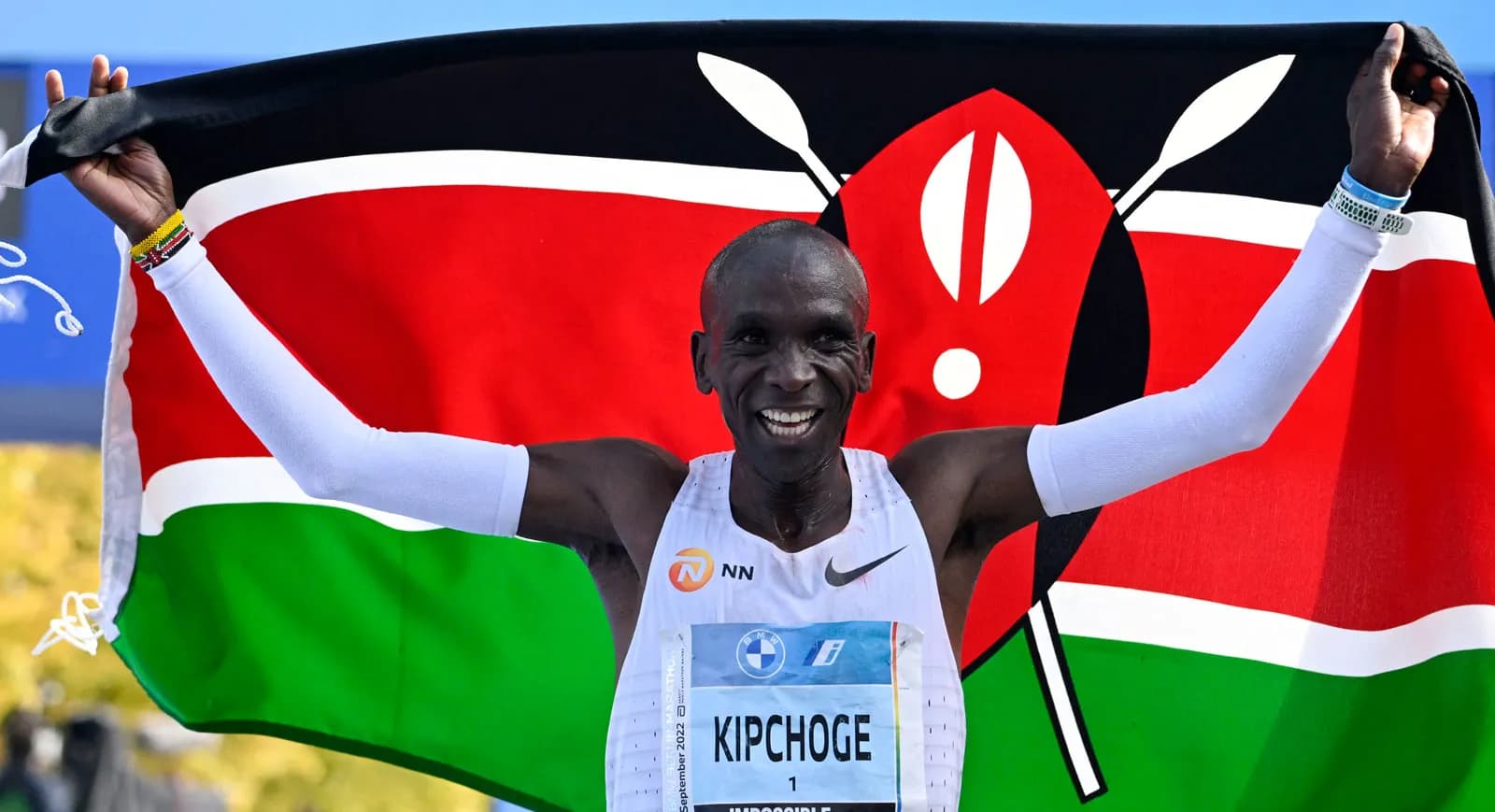
Legendary marathoner Eliud Kipchoge confronts the wave of online abuse and death threats following the tragic death of Kelvin Kiptum.

The man who once carried the weight of national pride on his shoulders now bears a heavier burden: the unrelenting strain of fear. Eliud Kipchoge, a figure synonymous with the pinnacle of human endurance, has finally stepped into the light to confront the wave of vitriol and life-threatening intimidation that has plagued him since the tragic passing of fellow marathoner Kelvin Kiptum.
For over a year, the narrative surrounding the death of the record-breaking athlete has been hijacked by baseless conspiracy theories, forcing the two-time Olympic champion to live under a shadow of suspicion. The revelation that Kipchoge has been receiving explicit threats not only underscores the volatile intersection of digital misinformation and public celebrity, but it also exposes the dark underbelly of the Kenyan sports landscape where tragedy is too often weaponized by faceless internet mobs.
When Kelvin Kiptum perished in a road accident in February 2024, the nation was united in grief. However, within hours, the digital landscape began to fracture. As authorities worked to establish the facts of the late-night crash, social media platforms became hotbeds for reckless speculation. Eliud Kipchoge, despite having no connection to the events, became the primary target for keyboard activists seeking a villain in a tragedy that was, by all police accounts, an unfortunate accident.
The accusations were not merely whispers they evolved into organized campaigns of harassment. The narrative built upon the perceived rivalry between the veteran, Kipchoge, and the rising star, Kiptum, created a dangerous binary that disregarded the camaraderie prevalent in elite athletic circles. According to Kipchoge’s recent statement, these were not just criticisms but direct threats against his safety and the security of his family. The psychological toll of this sustained campaign has forced the marathon legend into a defensive posture, moving away from his usual focus on training and towards safeguarding his private life.
The situation highlights a systemic failure in the regulation of digital discourse within Kenya. Experts in communication and sociology warn that the spread of unverified claims—often amplified by algorithms prioritizing outrage over fact—creates real-world dangers for public figures. This is no longer a matter of differing opinions it is an issue of public safety and institutional accountability.
The data suggests that the damage to Kipchoge’s reputation, fueled by these false accusations, mirrors a global trend where athletes are increasingly subjected to toxic online environments. Sociologists at the University of Nairobi note that when traditional media outlets are bypassed by unregulated social channels, the capacity for truth to be suppressed by the volume of noise increases exponentially. The harassment of a national hero is not just a personal attack it is an erosion of the cultural capital that Kenyan athletics relies upon to inspire future generations.
For Kipchoge, the struggle to clear his name and protect his family represents a pivot point in his career. The question is no longer about his next marathon or his next world record it is about his right to exist in the public sphere without being a target of mob justice. The legal and social implications of this episode are significant. It raises questions about when and how the state should intervene to protect individuals from online defamation that crosses the line into criminal intimidation.
In comparable global cases, athletes who have been subjected to similar levels of vitriol have often been forced into early retirement or self-imposed exile. Kipchoge’s resilience has been his hallmark on the track, but his ability to weather this particular storm will depend on more than just discipline—it will require a societal reckoning with how Kenyans consume and distribute information. The narrative that Kiptum’s death was anything other than a tragedy of circumstance has been dismantled by investigators, yet the emotional violence inflicted upon innocent bystanders persists.
As the conversation shifts from the baseless accusations back to the reality of the tragedy, the focus must remain on the facts. The threats against Kipchoge serve as a sobering reminder of the power of words in the digital age. Whether the authorities will take decisive action against the perpetrators of these threats remains the critical next step in ensuring that Kipchoge can return to the sport that defined his life, without the fear that his next step might be his last.
The marathon of life, as Kipchoge has often said, is not defined by the speed of the runner, but by the endurance to cross the finish line. In this current climate, endurance now requires the strength to face an enemy that refuses to show its face.
Keep the conversation in one place—threads here stay linked to the story and in the forums.
Sign in to start a discussion
Start a conversation about this story and keep it linked here.
Other hot threads
E-sports and Gaming Community in Kenya
Active 9 months ago
The Role of Technology in Modern Agriculture (AgriTech)
Active 9 months ago
Popular Recreational Activities Across Counties
Active 9 months ago
Investing in Youth Sports Development Programs
Active 9 months ago
Key figures and persons of interest featured in this article