We're loading the full news article for you. This includes the article content, images, author information, and related articles.
Reports surface that Donald Trump offered to release federal infrastructure funds in exchange for renaming a major airport and rail station in his honor, sparking ethical outrage.
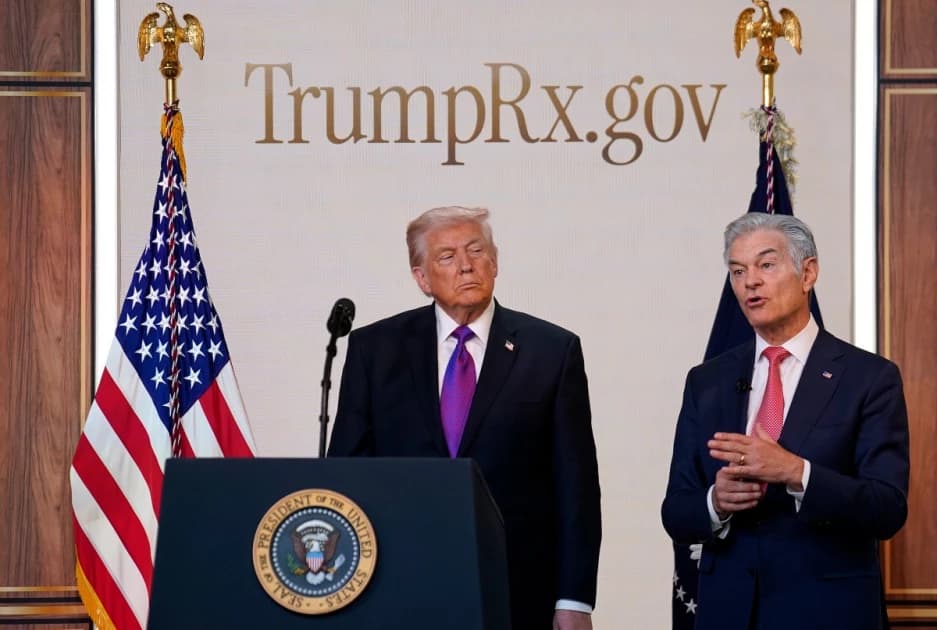
In a revelation that lays bare the transactional soul of Washington politics, reports have emerged of a brazen attempt to trade public infrastructure for personal immortality.
US President Donald Trump reportedly engaged in a high-stakes quid pro quo negotiation, offering to unfreeze billions in federal infrastructure funding in exchange for having a major airport and rail station renamed after himself. The allegations, surfaced by US media, paint a picture of a leader who viewed the federal budget not as a tool for national development, but as leverage for personal branding.
The disclosure strikes at the heart of the ethical debates that have dogged the Trump legacy. While naming rights for public assets are traditionally bestowed as posthumous honors or recognitions of lifelong service, leveraging executive power to demand them as a condition for releasing taxpayer money is a move that legal experts suggest could skirt the boundaries of abuse of office. It reinforces the image of a presidency that operated less like a democratic institution and more like a family business.
According to sources familiar with the discussions, the proposal was made to top Senate Democrats during tense negotiations over a stalled infrastructure package. Trump allegedly suggested that if Senator Chuck Schumer could facilitate the renaming of a prominent transport hub—likely in the New York area—the administrative roadblocks holding up key funding would miraculously vanish. The audacity of the request reportedly left seasoned lawmakers stunned.
The targeted assets were not minor regional outposts but major gateways synonymous with American travel. Renaming such landmarks requires legislative approval and bipartisan consensus, hurdles that Trump sought to bypass through the sheer force of the executive purse strings. This transactional approach to governance highlights the fragility of institutional norms when confronted with a leader determined to etch his name onto the physical landscape of the country.
The obsession with naming rights is not new to Trump, a real estate mogul whose brand value is literally built on putting his name on skyscrapers, golf courses, and hotels. However, transferring this commercial instinct to public governance raises profound questions about the stewardship of national assets. The presidency is a temporary stewardship, not an ownership title, a distinction that this incident suggests was frequently blurred.
Political analysts argue that this revelation is emblematic of the "imperial presidency" style that defined the Trump era. It was a time when the lines between public service and private gain were consistently tested. As the story gains traction, it serves as a case study in the potential for executive overreach, reminding voters and policymakers alike that without robust checks and balances, the machinery of government can easily be repurposed for the glorification of the individual rather than the service of the people.
Keep the conversation in one place—threads here stay linked to the story and in the forums.
Sign in to start a discussion
Start a conversation about this story and keep it linked here.
Other hot threads
E-sports and Gaming Community in Kenya
Active 9 months ago
The Role of Technology in Modern Agriculture (AgriTech)
Active 9 months ago
Popular Recreational Activities Across Counties
Active 9 months ago
Investing in Youth Sports Development Programs
Active 9 months ago



