We're loading the full news article for you. This includes the article content, images, author information, and related articles.
The Ethics and Anti-Corruption Commission (EACC) has detained three senior Garissa County officials in connection with a staggering Sh51 million procurement fraud.
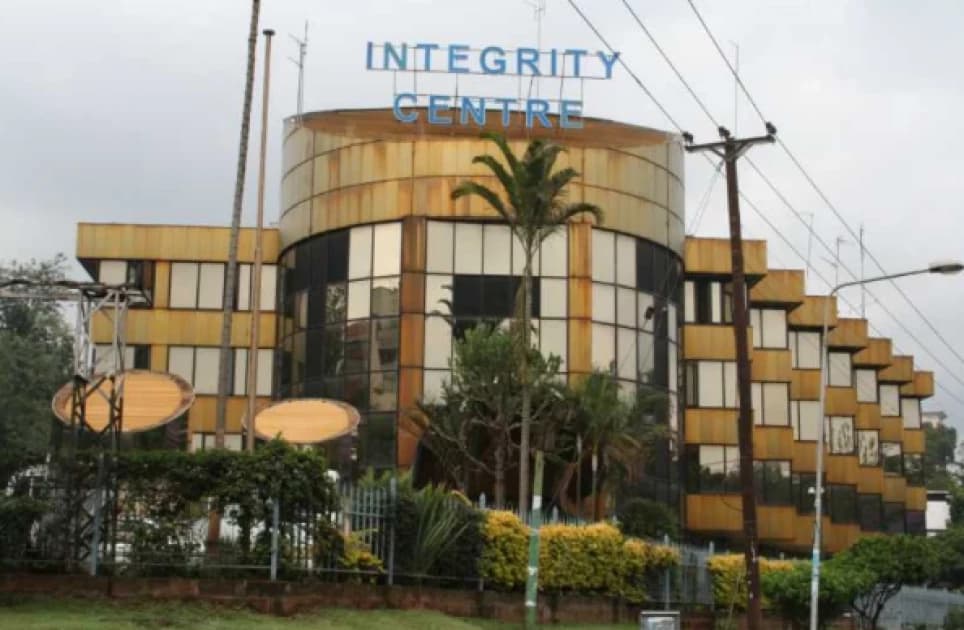
The Ethics and Anti-Corruption Commission (EACC) has detained three senior Garissa County officials in connection with a staggering Sh51 million procurement fraud, highlighting the persistent plague of devolved corruption.
The great promise of devolution in Kenya was the decentralization of resources, bringing healthcare, water, and infrastructure directly to the grassroots. However, the tragic paradox of this system is that it also decentralized corruption. In the latest crackdown on county-level graft, the Ethics and Anti-Corruption Commission (EACC) has swooped into Garissa County, detaining three senior officials over an alleged Sh51 million (approx. KES 51m) procurement heist.
This high-profile operation is a stark reminder of the systemic hemorrhage of public funds that continues to cripple Kenya's marginalized regions. The suspects, whose identities have been temporarily withheld pending their arraignment in court this Monday, represent the deep-seated rot within county procurement departments. Their arrest is not merely an isolated incident; it is symptomatic of a nationwide crisis where public servants exploit porous financial systems to amass illicit wealth at the expense of the taxpayer.
Procurement fraud is the lifeblood of county-level corruption in Kenya. The Sh51 million in question did not vanish overnight; it was systematically siphoned through a complex web of phantom contractors, inflated invoices, and bypassed oversight mechanisms. Preliminary investigations by the EACC suggest that the funds were earmarked for critical county development projects but were instead diverted into the private accounts of the officials and their proxies.
The mechanics of such a heist typically involve the manipulation of the Integrated Financial Management Information System (IFMIS). Officials create shell companies, award them lucrative tenders for services never rendered or goods never delivered, and quickly authorize payments. By the time auditors flag the discrepancies, the funds have already been laundered through real estate investments and luxury vehicle purchases in Nairobi and Mombasa.
To fully grasp the gravity of this crime, one must look beyond the ledgers and into the daily realities of Garissa County residents. Garissa, situated in the arid North Eastern region of Kenya, is constantly battling severe droughts, inadequate healthcare facilities, and a chronic shortage of clean drinking water. Sh51 million is not just a statistical figure; it represents boreholes that were never drilled, medicine that never reached hospital dispensaries, and bursaries denied to destitute students.
When county officials misappropriate development funds, they are directly contributing to the stagnation and suffering of their own communities. The sheer audacity of stealing such a vast sum in a region heavily reliant on both national equalization funds and international donor aid highlights a shocking deficit of moral leadership. It reinforces the grim reality that the greatest threat to Garissa's development is not the harsh climate, but the greed of its entrusted custodians.
The detention of these officials signals a renewed, aggressive posture by the Ethics and Anti-Corruption Commission. After years of facing public criticism for operating as a toothless bulldog, the agency is actively twisting the knife on corrupt county executives. This operation in Garissa follows a string of recent high-profile raids across various counties, indicating a deliberate strategy to dismantle the cartels operating within devolved units.
As the three officials prepare to face the anti-corruption courts in Nairobi this Monday, the true test of the EACC's investigative mettle begins. Kenya's judicial history is littered with collapsed corruption cases, often derailed by shoddy investigations, compromised witnesses, or legal technicalities. The prosecution must present an airtight case, tracing the exact flow of the Sh51 million from the county treasury to the suspects' pockets.
Ultimately, the Garissa probe is a critical battle in the broader war for Kenya's economic soul. If the authorities successfully secure convictions and recover the stolen millions, it will serve as a monumental victory for accountability. If, however, the suspects walk free, it will only embolden the cartels that continue to bleed Kenya's counties dry. The nation watches with bated breath, demanding justice for the people of Garissa.
Keep the conversation in one place—threads here stay linked to the story and in the forums.
Sign in to start a discussion
Start a conversation about this story and keep it linked here.
Other hot threads
E-sports and Gaming Community in Kenya
Active 9 months ago
The Role of Technology in Modern Agriculture (AgriTech)
Active 9 months ago
Popular Recreational Activities Across Counties
Active 9 months ago
Investing in Youth Sports Development Programs
Active 9 months ago



