We're loading the full news article for you. This includes the article content, images, author information, and related articles.
Investigators have unearthed a massive bribery syndicate at a government driving school, where instructors allegedly took millions in M-Pesa payments to guarantee driving test passes, putting potentially thousands of unqualified drivers on Kenyan roads.
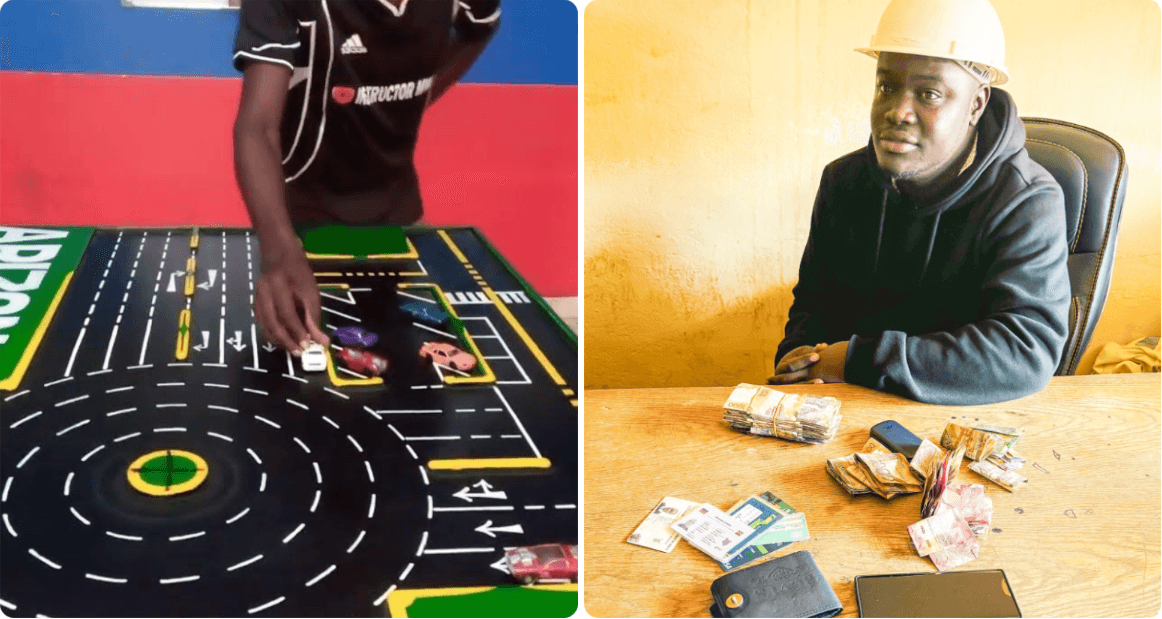
A sprawling Ksh34 million bribery scheme has been uncovered by the Ethics and Anti-Corruption Commission (EACC) within a state-run driving institution, sending shockwaves through Kenya’s transport sector. Investigators allege that instructors at the Kenya Institute of Highways and Building Technology (KIHBT) in Kisii systematically extorted money from students in exchange for guaranteed passes in their driving examinations, a practice EACC has previously termed “licensing to kill.”
This isn't just about corruption; it's about the safety of every Kenyan on the road. The investigation strikes at the heart of a system that may be responsible for putting unqualified drivers behind the wheel, a direct contributor to the nation's alarming road fatality rates. With 3,397 lives lost on our roads in the first nine months of 2025 alone, the integrity of driver training and testing is a matter of life and death.
The EACC’s probe, which culminated in a raid on November 28, 2025, focused on a syndicate allegedly orchestrated by two KIHBT instructors, Philip Dawa and Fidel Omondi. According to the commission's preliminary findings, the scheme was brazen and meticulously organized:
Financial records obtained by the EACC paint a damning picture. Over the last three years, one instructor, Philip Dawa, is alleged to have transacted over Ksh34 million (approx. $261,800 USD) through two M-Pesa numbers. His colleague, Fidel Omondi, reportedly handled Ksh8 million in the same period. During the raid, EACC officers arrested Omondi and recovered Ksh171,000 in cash hidden in an envelope inside his jacket.
This investigation peels back the curtain on a wider, systemic issue that road safety advocates have long warned about. The Road Safety Association of Kenya has previously claimed that a significant percentage of driving licenses may be obtained fraudulently. This deep-seated corruption directly undermines road safety, as it places drivers on the road who may lack the fundamental skills to navigate Kenya's challenging traffic conditions. Reckless driver behavior has been identified by the government as a leading cause of fatal accidents.
The EACC's findings also revealed a parallel fee diversion scheme, where the instructors allegedly collected tuition fees directly from students in cash or via personal M-Pesa numbers, bypassing official institutional channels. Students were charged Ksh40,000 instead of the mandatory Ksh65,000, indicating a significant loss of public funds at the government-run institute.
As the EACC continues to analyze seized documents and digital evidence, the case promises to expose the full extent of the rot. For ordinary Kenyans, the question remains: how many drivers on the road paid a bribe instead of passing a test? The answer to that question is a terrifying thought on any journey, whether to work, to school, or back home to family.
Keep the conversation in one place—threads here stay linked to the story and in the forums.
Sign in to start a discussion
Start a conversation about this story and keep it linked here.
Other hot threads
E-sports and Gaming Community in Kenya
Active 9 months ago
The Role of Technology in Modern Agriculture (AgriTech)
Active 9 months ago
Popular Recreational Activities Across Counties
Active 9 months ago
Investing in Youth Sports Development Programs
Active 9 months ago