We're loading the full news article for you. This includes the article content, images, author information, and related articles.
Mandera and Wajir counties are identified as the hardest hit by a worsening drought affecting 23 counties, leaving 3.3 million Kenyans facing starvation and decimating livestock livelihoods.
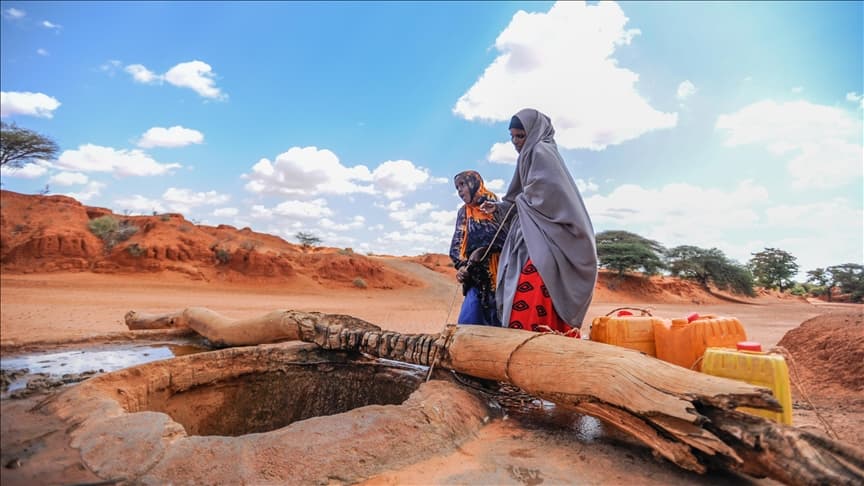
The skies have refused to open, and the earth is cracking beneath the feet of millions. Mandera and Wajir counties have been declared the epicenters of a catastrophic drought that has now engulfed 23 counties, leaving a staggering 3.3 million Kenyans staring into the abyss of starvation.
This is not just a dry spell; it is a humanitarian emergency of national proportions. The failure of the October-December short rains has decimated pastures and dried up water pans, leaving pastoralist communities with nothing but dust and dying livestock. Reports from the ground paint a harrowing picture of villages emptied of men who have trekked hundreds of kilometers in search of water, leaving behind women, children, and the elderly to survive on dwindling aid.
While the drought has spread its tentacles across the Arid and Semi-Arid Lands (ASALs), Mandera and Wajir are the bleeding heart of the crisis. In these counties, the vegetation condition index—a key indicator of drought severity—has plummeted to "severe" levels. Carcasses of cattle, camels, and goats litter the roadsides, a grim testament to the loss of livelihoods that will take a generation to rebuild.
Local leaders are calling it the worst drought in a decade. "We are losing not just our wealth, but our dignity," said a community elder in Wajir East. The price of water has skyrocketed, forcing families to choose between watering their last remaining animals or quenching their own thirst. The situation is further aggravated by the breakdown of boreholes, which are now running 24 hours a day to meet the overwhelming demand.
The Kenya Meteorological Department’s forecast offers little hope, predicting depressed rainfall in the coming weeks. This grim outlook means the window to save lives is closing rapidly. The crisis in Mandera and Wajir is a stark reminder of Kenya’s vulnerability to climate change, a reality that hits the poorest the hardest.
As the sun sets over the parched plains of the North East, the silence is deafening—broken only by the wind howling across the empty kraals. The government has promised action, but for the 3.3 million Kenyans waiting for rain and relief, every hour of delay is a matter of life and death.
Keep the conversation in one place—threads here stay linked to the story and in the forums.
Sign in to start a discussion
Start a conversation about this story and keep it linked here.
Other hot threads
E-sports and Gaming Community in Kenya
Active 10 months ago
The Role of Technology in Modern Agriculture (AgriTech)
Active 10 months ago
Popular Recreational Activities Across Counties
Active 10 months ago
Investing in Youth Sports Development Programs
Active 10 months ago



