We're loading the full news article for you. This includes the article content, images, author information, and related articles.
A Paris court found the former rebel leader and politician guilty of complicity in a campaign of torture, rape, and murder during the Second Congo War, a verdict with deep implications for the ongoing conflict in Eastern DRC.
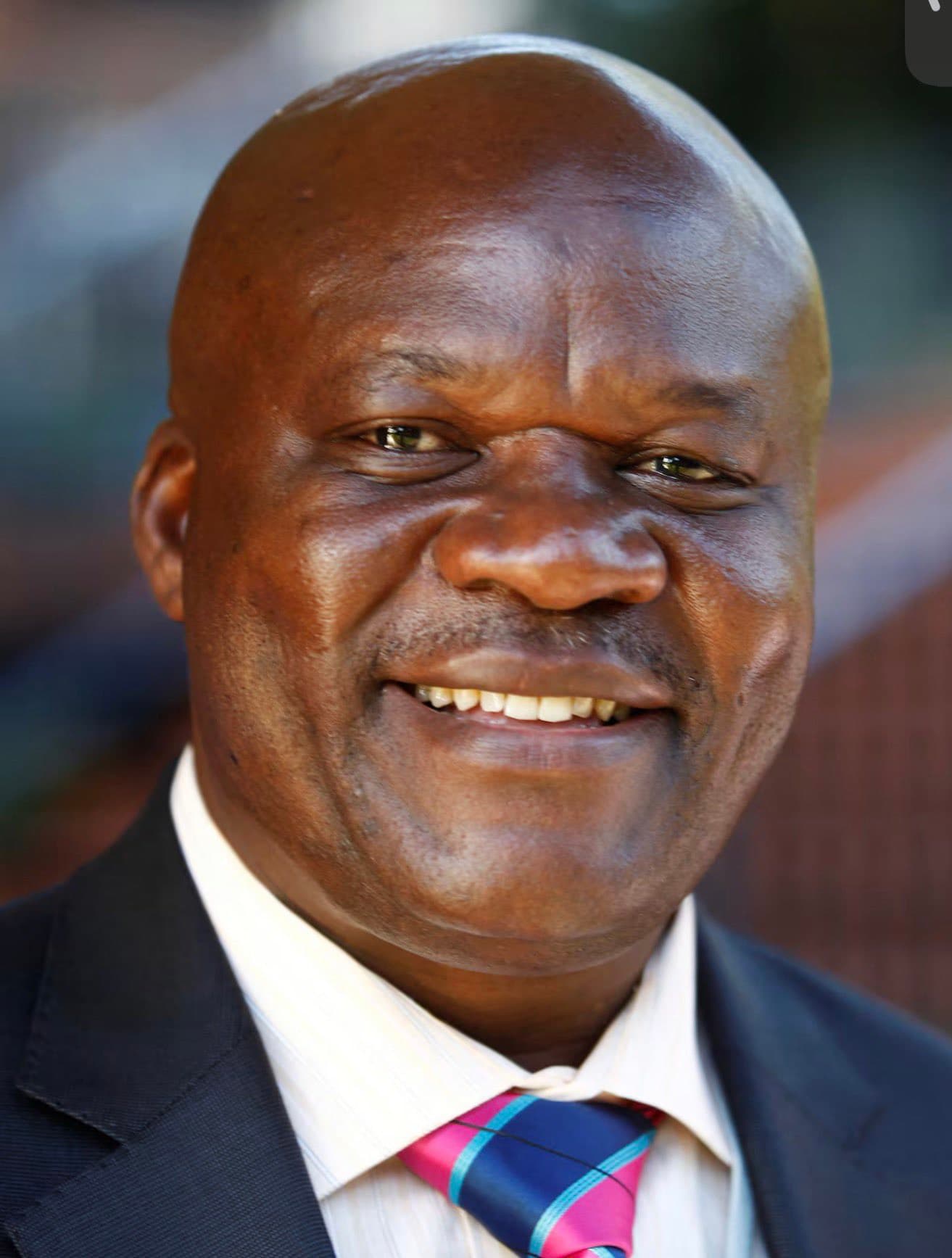
A French court has handed a 30-year prison sentence to former Democratic Republic of Congo rebel leader Roger Lumbala, closing a dark chapter from one of Africa’s deadliest conflicts. The verdict marks a historic moment in the fight against impunity that has fuelled decades of violence in the Great Lakes region.
For Kenya, this is more than a distant headline. The ruling strikes at the heart of the instability that continues to plague Eastern DRC, a region where Kenyan troops have been deployed on peacekeeping missions and where Kenyan businesses have deep economic interests. The conviction of a man like Lumbala sends a clear signal that the architects of regional chaos can be held accountable, a crucial step toward the lasting peace Kenya is working to secure.
Lumbala, 67, was found guilty of complicity in crimes against humanity for atrocities committed between 2002 and 2003. He headed the Rally for Congolese Democracy-National (RCD-N), a rebel group backed by Uganda during the Second Congo War. The court determined he bore command responsibility for a brutal military campaign known as “Effacer le Tableau” or “Erase the Slate.”
During the trial, which Lumbala refused to attend, questioning the court's legitimacy, dozens of survivors and witnesses gave harrowing testimony. The court found him culpable for a litany of horrific acts, primarily targeting the Nande and indigenous Bambuti communities in the Ituri and North Kivu provinces. These crimes included:
The trial was possible in Paris under the principle of universal jurisdiction, which allows national courts to prosecute the most serious international crimes regardless of where they were committed or the nationality of the perpetrators and victims. Human rights groups hailed the verdict as a landmark victory for international justice and the first time a national court has convicted a perpetrator for atrocities from the Second Congo War.
Lumbala’s violent past is not merely historical. After a brief stint as a government minister, Congolese authorities later issued an arrest warrant for him over his alleged support for the M23 rebels, the very group currently driving instability in Eastern DRC. This connection underscores the direct line between the impunity of the past and the violence of the present—a cycle that directly impacts Kenya's security and economic stability.
The ongoing conflict has already disrupted trade along the Northern Corridor, where DRC is the third-largest destination for goods from the Port of Mombasa. Kenyan transport companies have reported significant losses, and the instability threatens wider regional investment. This verdict, while delivered thousands of kilometres away, is a crucial blow against the culture of impunity that allows such conflicts to fester, offering a glimmer of hope for a more stable future for the entire region.
As Daniele Perissi of TRIAL International, an NGO that supported the victims, noted, “Today the Court made one thing unmistakably clear: architects of mass violence will be held to account. Neither time nor political power will shield them.”
Keep the conversation in one place—threads here stay linked to the story and in the forums.
Sign in to start a discussion
Start a conversation about this story and keep it linked here.
Other hot threads
E-sports and Gaming Community in Kenya
Active 10 months ago
Popular Recreational Activities Across Counties
Active 10 months ago
The Role of Technology in Modern Agriculture (AgriTech)
Active 10 months ago
Investing in Youth Sports Development Programs
Active 10 months ago



