We're loading the full news article for you. This includes the article content, images, author information, and related articles.
Olympian Benard Koech is banned for four years after his biological passport reveals calculated blood doping just weeks before the Paris Games.
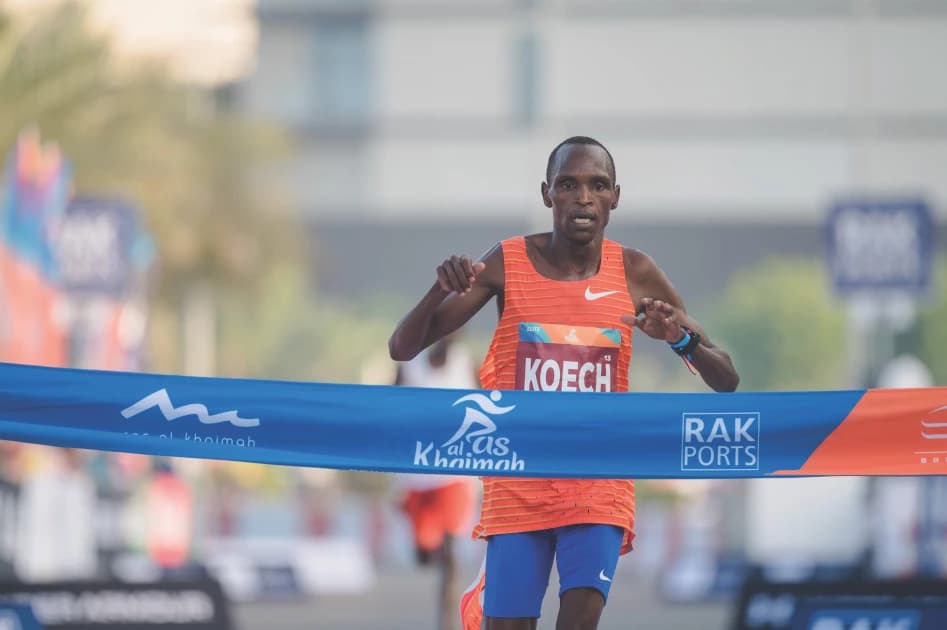
Kenya’s distance running crisis has deepened with the suspension of Benard Kibet Koech. The 26-year-old Olympian has been slapped with a four-year ban by the Athletics Integrity Unit (AIU) for blood doping, a verdict that casts a long shadow over his fifth-place finish at the Paris 2024 Olympic Games.
This is not just a procedural sanction; it is a damning indictment of a system under siege. [...](asc_slot://start-slot-3)Koech’s Athlete Biological Passport (ABP) revealed a "distinct and concerning" sequence of blood values between June and July 2024—just weeks before he took to the track in Paris. The tribunal’s findings suggest a calculated attempt to artificially boost performance, with values so extreme they were described as "unphysiological" even for an athlete training at altitude.
The AIU’s case against Koech was built on undeniable scientific data. His biological passport showed elevated haemoglobin levels paired with suppressed reticulocyte production, a classic signature of blood manipulation. Experts testifying before the tribunal noted that such a pattern is consistent with the use or recent cessation of erythropoiesis-stimulating agents (ESAs) or blood transfusions.
Koech’s defense attempted to attribute the abnormalities to a combination of factors: high-altitude training in Eldoret, oral iron supplementation, and a bout of COVID-19. However, the three-member tribunal dismantled these claims. [...](asc_slot://start-slot-5)"Viral infections, including COVID-19, are not known to increase haemoglobin," the panel stated, adding that iron supplements do not cause such sudden, drastic spikes. The timing of the abnormalities, peaking just before the Paris Games where Koech ran a personal best, was deemed critical proof of a "post-doping phase" designed to evade detection while maximizing gain.
Koech’s fall is another blow to Kenya’s reputation, which is already fragile following a string of high-profile doping cases. The ruling underscores the efficacy of the Athlete Biological Passport as a tool for catching cheats who might otherwise pass standard urine tests. "An abnormal ABP does not rely on chance," the AIU submitted. "It reflects sustained and scientifically verified deviations."
As Koech begins his exile from the sport, the message from the regulators is clear: the science is watching, and there is no hiding place. [...](asc_slot://start-slot-7)For Kenyan athletics, the question remains—how deep does the rot go, and who is next?
Keep the conversation in one place—threads here stay linked to the story and in the forums.
Sign in to start a discussion
Start a conversation about this story and keep it linked here.
Other hot threads
E-sports and Gaming Community in Kenya
Active 9 months ago
The Role of Technology in Modern Agriculture (AgriTech)
Active 9 months ago
Popular Recreational Activities Across Counties
Active 9 months ago
Investing in Youth Sports Development Programs
Active 9 months ago