We're loading the full news article for you. This includes the article content, images, author information, and related articles.
As Russian forces claim strategic gains in eastern Ukraine, a controversial US-led peace initiative is met with deep skepticism by the battle-weary soldiers who would bear the cost of any deal.
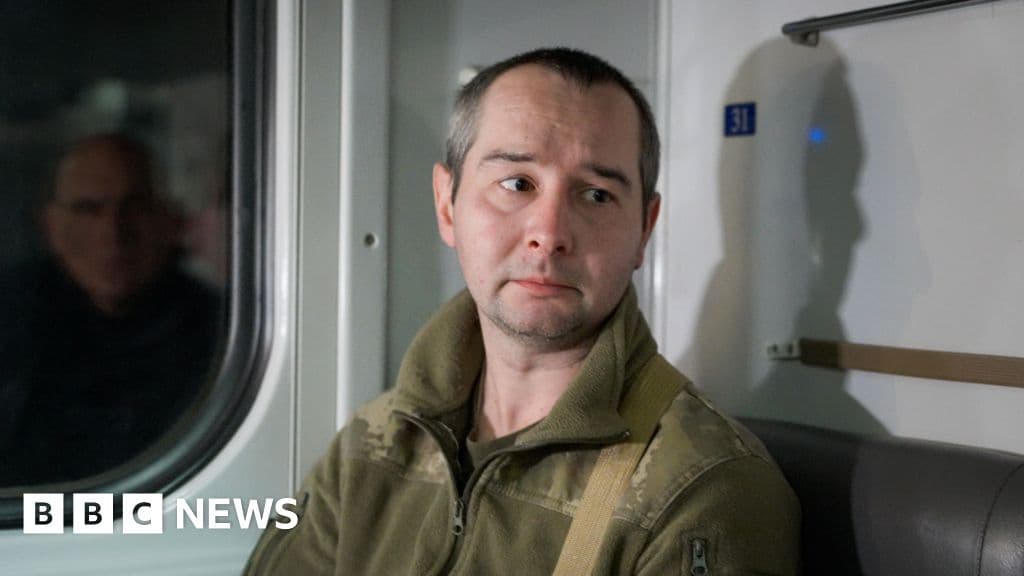
The train no longer reaches far into Ukraine's war-scarred Donetsk region, a stark reminder of Moscow's grinding advance. At the last stop, the air is thick with fleeting reunions and the exhaustion of soldiers like Andrii, who dismisses the latest flurry of peace talks as mere “chatter, just chatter” before returning to the front.
For Kenyans, the grinding war in Eastern Europe, now approaching its fourth year, may feel distant. Yet its shockwaves continue to ripple across the globe, influencing the price of unga, fuel, and fertilizer. A new, US-led diplomatic push to end the conflict brings the stakes into sharp focus: a potential resolution could stabilize volatile global markets, but a peace perceived as rewarding aggression could embolden autocrats and undermine the international laws that protect nations like Kenya.
Andrii's skepticism is rooted in the harsh reality on the ground. Russian forces have been intensifying their assault, with President Vladimir Putin recently claiming the capture of Pokrovsk, a key logistical hub in the Donetsk region. Ukrainian military officials countered that fighting was ongoing, but the announcement, timed with peace negotiations, underscores Moscow's strategy of negotiating from a position of strength.
The battle for Donbas, comprising the Donetsk and Luhansk regions, has been a brutal war of attrition. While precise figures are difficult to verify, Russia is estimated to control a significant portion of the area. The immense human cost is palpable among the troops. “Everyone's drained, everyone's tired mentally and physically,” noted Denys, a soldier who has served for two years.
The diplomatic “chatter” centers on a controversial plan championed by the administration of US President Donald Trump. Envoys, including Steve Witkoff and Trump's son-in-law Jared Kushner, recently met with President Putin in Moscow after presenting a revised framework to Ukrainian officials.
Key sticking points in the negotiations reportedly include:
The talks have so far ended without a breakthrough, with a Kremlin aide stating, “Compromises have not yet been found.” President Putin has blamed European powers for obstructing the process with “demands that are absolutely unacceptable for Russia,” further complicating the diplomatic landscape.
While diplomats convene in sterile rooms, the Ukrainian military continues to hold the line, though the strain is evident. The armed forces, now numbering close to a million, have become one of the most battle-hardened in Europe, but remain heavily reliant on Western military aid to counter Russia's quantitative advantages. For soldiers like Andrii and Denys, the abstract language of peace plans offers little comfort against the daily reality of artillery duels and drone warfare. Their weariness is a testament to the immense human toll of a conflict whose resolution remains agonizingly out of reach.
Keep the conversation in one place—threads here stay linked to the story and in the forums.
Sign in to start a discussion
Start a conversation about this story and keep it linked here.
Other hot threads
E-sports and Gaming Community in Kenya
Active 9 months ago
The Role of Technology in Modern Agriculture (AgriTech)
Active 9 months ago
Popular Recreational Activities Across Counties
Active 9 months ago
Investing in Youth Sports Development Programs
Active 9 months ago



