We're loading the full news article for you. This includes the article content, images, author information, and related articles.
Headaches, dizziness and fatigue are often ignored. Medical experts explain when it’s time to stop self-medicating and seek professional care.

Thika. It begins quietly: a dull ache behind the eyes after hours on a laptop, a heavy head after missing lunch, a throbbing temple after navigating traffic from Thika Road to Westlands. For many households, the routine response is predictable—water, a quick painkiller, and pushing through. Usually, the discomfort eases. But medical experts say the real risk starts when headaches stop being occasional and become a pattern: persistent, frequent, progressively worse, or accompanied by dizziness and fatigue.
At HAMAT Hospital, clinicians increasingly see patients who have lived with “normal headaches” for weeks or months, managing them at home until the pain escalates or new symptoms appear—blurred vision, nausea, confusion, weakness, neck stiffness, or an unexplained fever. The message from doctors is not that every headache is dangerous. It is that persistent headaches are a symptom with a story behind them, and self-medicating for too long can delay the moment when a treatable condition is identified early.
Doctors explain that headaches are broadly classified into two groups. Primary headaches (such as tension-type headaches and migraines) are common and typically not caused by another illness. Secondary headaches are triggered by an underlying condition—anything from dehydration, sinus disease, and vision strain to blood pressure problems, infections, and, in rare cases, emergencies affecting the brain or blood vessels.
Medical experts warn that the Kenyan habit of “quick fixes” can blur these categories. When a person repeatedly suppresses pain with over-the-counter medications without checking why the headache keeps returning, they may miss early clues. Persistent headaches can be linked to uncontrolled blood pressure, anemia, sleep deprivation, dehydration, medication-overuse headaches, hormonal shifts, untreated vision problems, and ongoing stress-related muscle tension. The goal is not fear—it is precision: identifying the cause before complications develop.
1) The headache that changes its character. If your headache pattern changes—new intensity, new location, or new frequency—doctors treat that as important clinical information. A familiar tension headache that suddenly feels different is not something to “wait out” indefinitely.
2) Dizziness and fatigue change the meaning of the headache. Headache alone is one thing. Headache plus dizziness and fatigue can point to dehydration and low blood sugar—but it can also appear with anemia, blood pressure abnormalities, infections, and other systemic issues. What matters is persistence and progression: symptoms that return repeatedly or fail to resolve with rest, hydration, and regular meals need assessment.
3) The “morning pattern.” Doctors note that headaches that consistently wake a person from sleep or are worse in the morning deserve careful evaluation, especially if associated with repeated vomiting, confusion, or visual changes. These patterns can sometimes signal pressure-related problems that require medical review.
4) Visual strain is frequently underestimated. In Nairobi and Kiambu, screen-based work is now common across professions. Uncorrected vision problems and prolonged screen exposure can trigger headaches, eye pain, and blurred vision. Many people adapt slowly to declining vision, assuming the headache is stress. An eye assessment can reveal a simple explanation that painkillers will never fix.
5) Painkillers can backfire when used too often. Doctors warn against a cycle where frequent painkiller use becomes part of the problem. When medications are used repeatedly over long periods without medical direction, headaches can become more frequent or rebound. This is one reason clinicians emphasize early assessment rather than long-term self-treatment.
Medical experts advise seeking urgent care for headaches with any of the following:
These signs do not automatically mean the worst, but they are the body’s highest-priority alerts. The safest next step is prompt medical assessment.
Doctors advise walking in for assessment when headaches are:
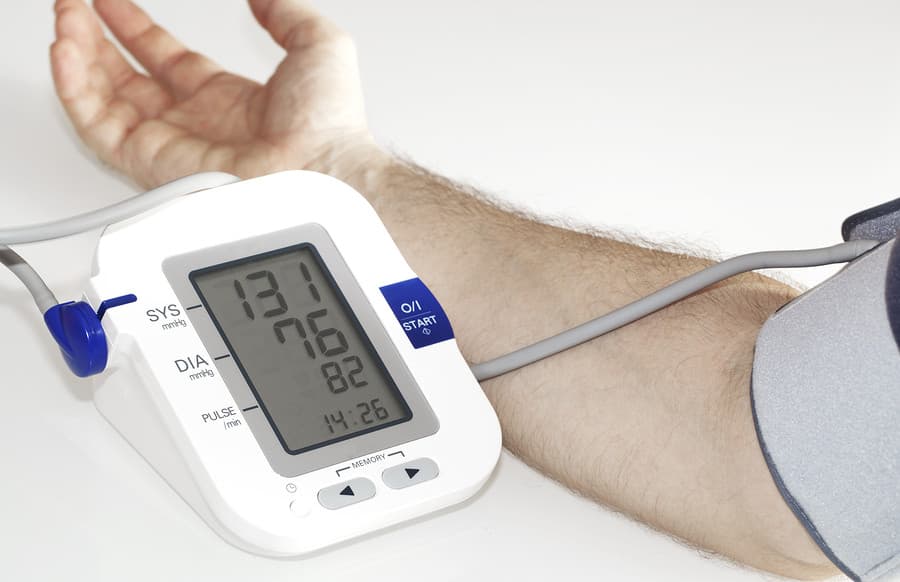
At a properly equipped hospital, the process typically begins with vital signs—blood pressure, pulse, temperature, and oxygen levels—because these measurements can quickly identify hidden danger. A clinician then takes a detailed history: the pattern of headaches, triggers, and accompanying symptoms. From there, investigations are chosen based on clinical need. In many cases, baseline testing helps identify common drivers such as anemia or blood sugar abnormalities. In other cases, an eye assessment or targeted imaging may be recommended if warning signs or abnormal findings are present.
Early visits matter because they prevent the “late arrival problem.” The same condition that is easily managed early can become complicated when ignored—leading to lost workdays, escalating costs, and avoidable emergencies.
When to walk in: Persistent symptoms, worsening pain, unexplained fatigue or fever should be medically reviewed rather than managed at home.
Doctors advise: Blood tests and diagnostics help identify conditions early—often before symptoms become severe.
Medical professionals advise visiting a properly equipped hospital for assessment, testing and follow-up care.
Keep the conversation in one place—threads here stay linked to the story and in the forums.
Sign in to start a discussion
Start a conversation about this story and keep it linked here.
Other hot threads
E-sports and Gaming Community in Kenya
Active 9 months ago
The Role of Technology in Modern Agriculture (AgriTech)
Active 9 months ago
Popular Recreational Activities Across Counties
Active 9 months ago
Investing in Youth Sports Development Programs
Active 9 months ago