We're loading the full news article for you. This includes the article content, images, author information, and related articles.
A second doctor implicated in the ketamine overdose death of "Friends" star Matthew Perry has been sentenced to eight months of home detention, exposing a shadowy network of medical professionals catering to celebrity drug dependency.
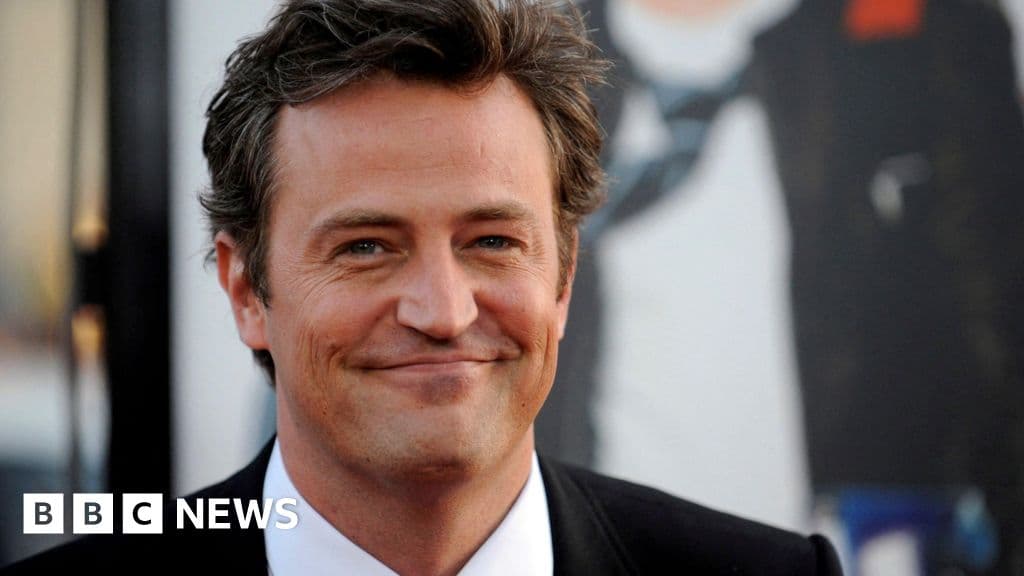
A California doctor who supplied ketamine to another physician involved with the late actor Matthew Perry will serve eight months under home confinement, a judge ordered Tuesday. The sentencing of Dr. Mark Chavez, 55, marks another chapter in the federal investigation into Perry's tragic death in October 2023, which was ruled to be from the "acute effects of ketamine."
This lenient sentence, which also includes three years of supervised release and 300 hours of community service, stands in stark contrast to the 30-month prison term handed to Dr. Salvador Plasencia earlier this month. Plasencia, who admitted to directly supplying Perry with the drug, was described by the actor's family as the "most culpable" of those charged.
Federal prosecutors detailed a scheme where Chavez fraudulently obtained ketamine and sold it to Plasencia, who then administered it to Perry. Attorneys for Chavez emphasized that he never met or spoke with Perry, and that he cooperated early with investigators. Before the judge, Chavez expressed remorse, stating, "My heart goes out to the Perry family."
The investigation has pulled back the curtain on a complex underground drug ring. In total, five individuals have pleaded guilty to various charges. This includes Perry's personal assistant, Kenneth Iwamasa, another acquaintance, Erik Fleming, and a British-American national dubbed the "Ketamine Queen," Jasveen Sangha. Sangha, who supplied the fatal dose, has pleaded guilty to charges including distribution of ketamine resulting in death and awaits sentencing.
Perry, who was candid about his lifelong battle with addiction, had been receiving ketamine infusions legally as a treatment for depression. However, the investigation revealed he sought out illicit sources when his prescribed amounts were not enough, highlighting the dangerous intersection of mental health treatment and addiction.
While the drama unfolds in Hollywood, the core issues resonate deeply here in Kenya. The misuse of prescription medication is a growing challenge, identified by the National Authority for the Campaign Against Alcohol and Drug Abuse (NACADA) as a widespread problem. Studies show a troubling trend in the abuse of drugs like Diazepam and Tramadol, often because they are affordable and accessible.
Ketamine itself is used legitimately in Kenya for mental health treatment, with facilities like Aga Khan University Hospital and Tigoni Treatment Center offering it for treatment-resistant depression. This case serves as a stark reminder of how a legitimate medical tool can be dangerously diverted, a risk that Kenyan health authorities must continually monitor. The challenge, as noted in a 2022 study, is the increasing diversion and illicit distribution of controlled medicines that have legitimate medical uses.
The ongoing legal proceedings in Los Angeles are expected to conclude with the sentencing of the remaining defendants in the coming months. The outcome will be closely watched by medical and regulatory bodies worldwide, grappling with how to balance therapeutic innovation with the ever-present danger of abuse.
Keep the conversation in one place—threads here stay linked to the story and in the forums.
Sign in to start a discussion
Start a conversation about this story and keep it linked here.
Other hot threads
E-sports and Gaming Community in Kenya
Active 10 months ago
The Role of Technology in Modern Agriculture (AgriTech)
Active 10 months ago
Popular Recreational Activities Across Counties
Active 10 months ago
Investing in Youth Sports Development Programs
Active 10 months ago



