We're loading the full news article for you. This includes the article content, images, author information, and related articles.
Novak Djokovic's withdrawal from the Monte-Carlo Masters marks a critical shift in professional tennis, highlighting the physical toll on aging legends.

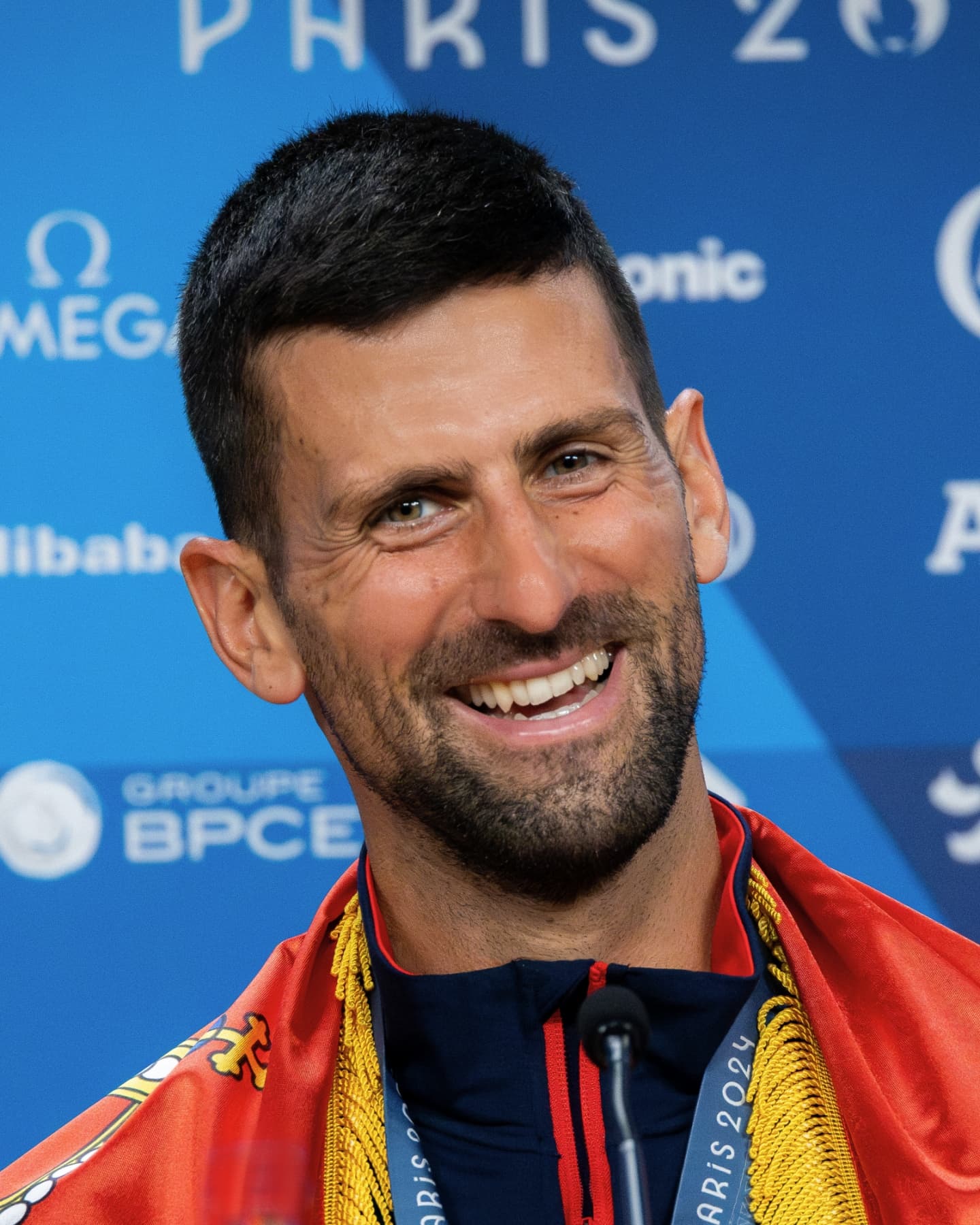
The silence echoing through the Monte-Carlo Country Club this week is not merely the absence of a player, but the audible creak of a closing era. Novak Djokovic’s decision to withdraw from the prestigious Monte-Carlo Masters has sent shockwaves through the tennis world, stripping the event of its primary attraction and forcing a recalibration of the 2026 ATP Tour narrative.
For the millions who follow the sport, this is not just another injury update or a tactical sabbatical. It is a stark reminder that the titans who defined the sport for the better part of two decades are beginning to yield to the relentless progression of time. As Djokovic, nearing his 39th birthday, prioritizes specific tournament goals over the gruelling grind of the full calendar, the sport faces a pivotal transition. For tennis fans in Nairobi and across East Africa, where the sport’s popularity is steadily climbing, this exit underscores a fundamental truth: the hunger for the next generation of superstars is no longer a wish, but an immediate necessity.
In professional tennis, the body operates on a depreciating timeline. By the time an athlete reaches the late thirties, the margin between elite performance and forced inactivity narrows drastically. Djokovic, known for a rigorous health and recovery regimen that has been the envy of the circuit for years, is now navigating the most difficult phase of his career. Managing the intensity of clay court play—a surface that demands prolonged rallies and extraordinary physical exertion—requires a recovery period that the current ATP schedule rarely affords.
The Monte-Carlo Masters represents one of the most physically demanding stops on the circuit. The transition from hard courts to clay changes the biomechanics of movement, putting significant strain on the knees and ankles. Medical experts note that for an athlete of Djokovic’s age, the risk-to-reward ratio of playing a non-Grand Slam event, however prestigious, has shifted. Experts at the International Tennis Federation suggest that top-tier players are increasingly forced to choose their battles, effectively turning the professional calendar into a tiered system of priorities where only the four Grand Slam tournaments hold absolute non-negotiable status.
The withdrawal is not just a personal decision for Djokovic it is a structural event for the tournament and the broader tennis ecosystem. Tournament directors at Monte-Carlo have long leveraged the presence of the Big Three—Federer, Nadal, and Djokovic—to drive commercial success, ticket sales, and media broadcasting rights. With Federer long retired and Nadal’s appearances sporadic, Djokovic’s absence creates a massive vacuum. This is the moment the ATP has been quietly preparing for—the definitive end of the Big Three hegemony.
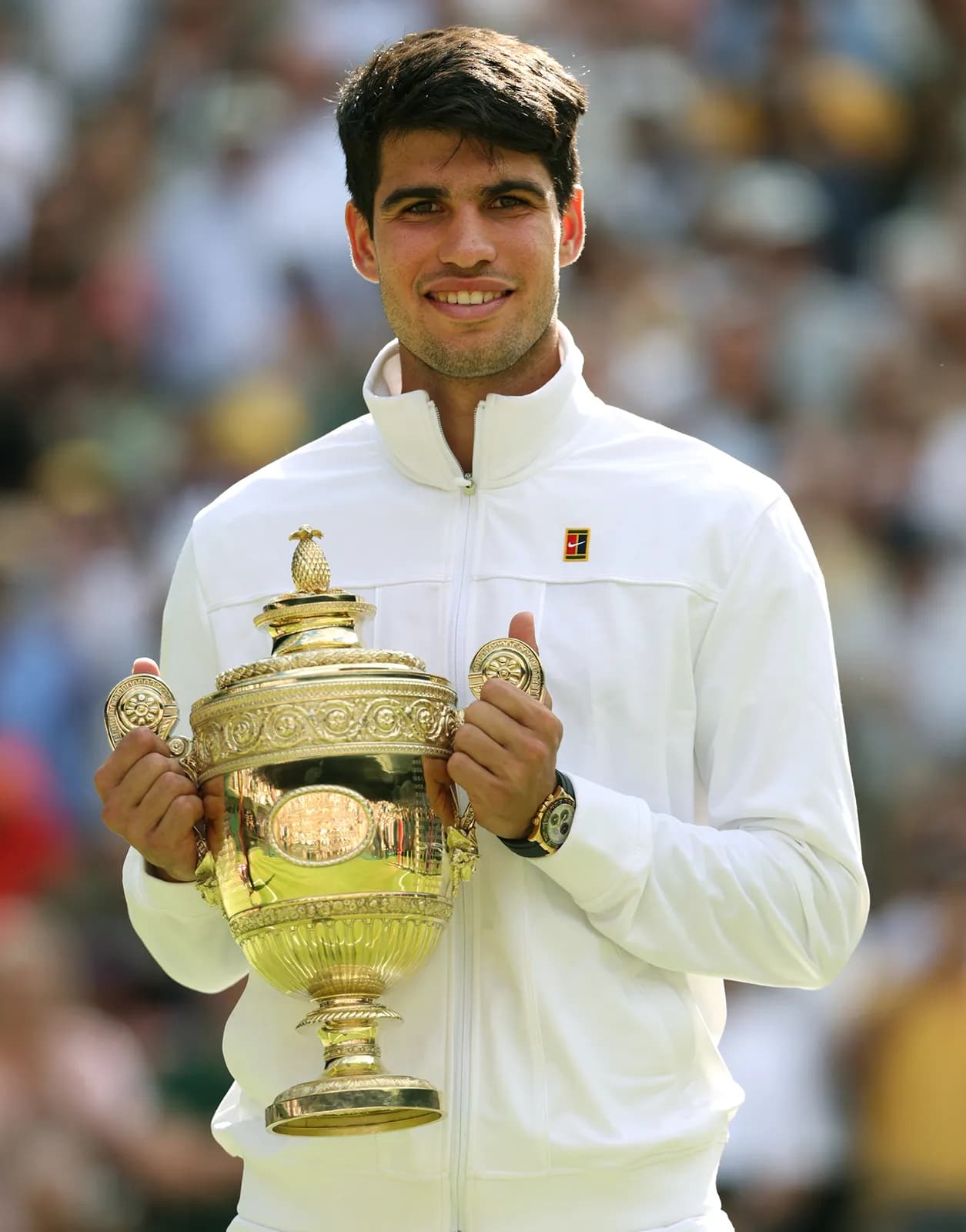
The vacuum left by such legends is being filled by a younger, more physically aggressive cohort of players, including Carlos Alcaraz, Jannik Sinner, and Holger Rune. These athletes represent a different archetype of tennis: faster, more powerful, and unburdened by the historic rivalries that defined the previous generation. While the artistry and tactical depth of Djokovic will be missed, the ATP is currently witnessing a surge in competitive parity. The upcoming tournaments, including the Masters in Madrid and Rome, will likely serve as the primary proving grounds for this new guard to cement their dominance in the absence of the established order.
For Kenyan tennis enthusiasts, the absence of an icon like Djokovic is felt deeply, yet it provides a unique opportunity for perspective. Tennis in Kenya has seen a modest but significant uptick in grassroots participation, bolstered by the success of academy programs in Nairobi and the coastal regions. Young Kenyan players who grew up watching Djokovic win major titles on television are now looking to see who will step into that void. The shift in global tennis mirrors the evolution of local sports scenes, where the dominance of a single figure often restricts the narrative, while the dispersal of power creates more accessible paths to success.
Moreover, the economic implications are not trivial. A marquee event like the Monte-Carlo Masters commands a substantial global audience, with total prize money pools often exceeding 6 million dollars (approximately KES 850 million). When the biggest draw pulls out, the commercial value of the broadcast rights and the local tourism economy can fluctuate. For Nairobi’s sports marketing firms and broadcasting agencies, this serves as a case study in reliance on star power versus the development of long-term brand equity in sporting events.
As the clay court season progresses, all eyes will turn to the Roland Garros championships in Paris. The question remains whether this withdrawal is a strategic precaution to ensure peak fitness for the Grand Slams or the beginning of a final, gradual withdrawal from the professional tour. History suggests that legends rarely exit on their own terms they are usually pushed by the inevitability of biology and the rising tide of ambition from the next generation.
Novak Djokovic remains one of the most formidable competitors to ever pick up a racquet, and his tactical acumen may still yield major titles. However, the Monte-Carlo withdrawal acts as a mirror, reflecting a sport that is shedding its past and looking toward a future where the dominance of one is replaced by the fierce, unpredictable battles of many. The final chapter of the Big Three era is not being written in headlines, but in tournament draw sheets where the most familiar names are increasingly absent.
Keep the conversation in one place—threads here stay linked to the story and in the forums.
Sign in to start a discussion
Start a conversation about this story and keep it linked here.
Other hot threads
E-sports and Gaming Community in Kenya
Active 10 months ago
The Role of Technology in Modern Agriculture (AgriTech)
Active 10 months ago
Popular Recreational Activities Across Counties
Active 10 months ago
Investing in Youth Sports Development Programs
Active 10 months ago
Key figures and persons of interest featured in this article