We're loading the full news article for you. This includes the article content, images, author information, and related articles.
A global humanitarian campaign is encouraging the creation of homemade, reusable sanitary pads to combat the widespread issue of period poverty affecting millions of girls.
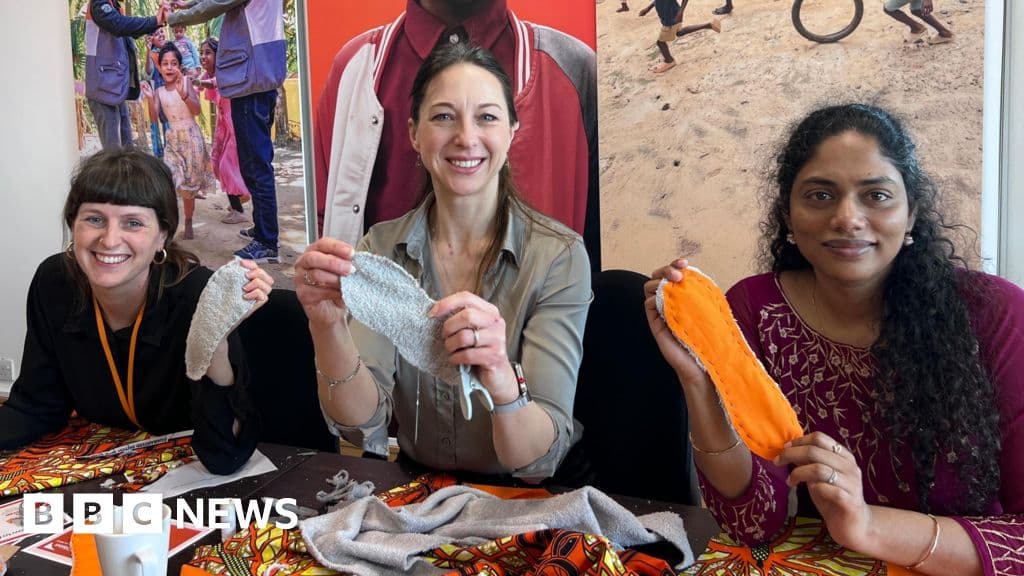
World Vision UK has launched the deeply resonant "Post Your Pad" campaign, urging citizens globally to craft reusable sanitary pads in a powerful show of solidarity with women and girls suffering from period poverty. The initiative highlights a silent crisis that strips millions of their dignity and educational opportunities.
For East Africa, this campaign strikes at the very heart of gender inequality. In marginalized communities across Kenya, Tanzania, and South Sudan, the prohibitive cost of commercial sanitary products forces girls to miss school or resort to unsafe, unhygienic alternatives, perpetuating a vicious cycle of poverty.
Charity Chief Executive Fola Komolafe recently returned from South Sudan, where the stark reality of inflation and supply chain breakdown has pushed a single packet of commercial period pads to roughly £20 (approx. KES 3,300). For a population where the majority live below the poverty line, this cost is astronomically out of reach.
To survive, communities across the continent have been forced to innovate. In Tanzania, women utilize local resources—predominantly cotton and highly absorbent towel-like materials—to create reusable pads that offer both functionality and basic human dignity. The campaign seeks to mirror this resilience globally.
The "Post Your Pad" initiative invites participants from developed nations to experience the labor involved in making a sanitary towel firsthand. By donating their creations or using them, participants bridge the gap of empathy while directly combating period poverty.
World Vision supplies the necessary tools and the precise guides utilized by Tanzanian women. This ensures that the end products are culturally respectful, practically effective, and heavily absorbent.
In Kenya, the government has made strides in providing free sanitary towels in public schools, yet distribution gaps leave many rural and slum-dwelling girls vulnerable. Campaigns like this highlight the urgent need for sustainable, localized manufacturing of sanitary products to reduce dependency on expensive imports.
“Until we can guarantee that every girl, regardless of her postcode, can manage her period with dignity, our fight for gender equality remains fundamentally incomplete,” remarked a local gender rights advocate.
Keep the conversation in one place—threads here stay linked to the story and in the forums.
Sign in to start a discussion
Start a conversation about this story and keep it linked here.
Other hot threads
E-sports and Gaming Community in Kenya
Active 9 months ago
The Role of Technology in Modern Agriculture (AgriTech)
Active 9 months ago
Popular Recreational Activities Across Counties
Active 9 months ago
Investing in Youth Sports Development Programs
Active 9 months ago



