We're loading the full news article for you. This includes the article content, images, author information, and related articles.
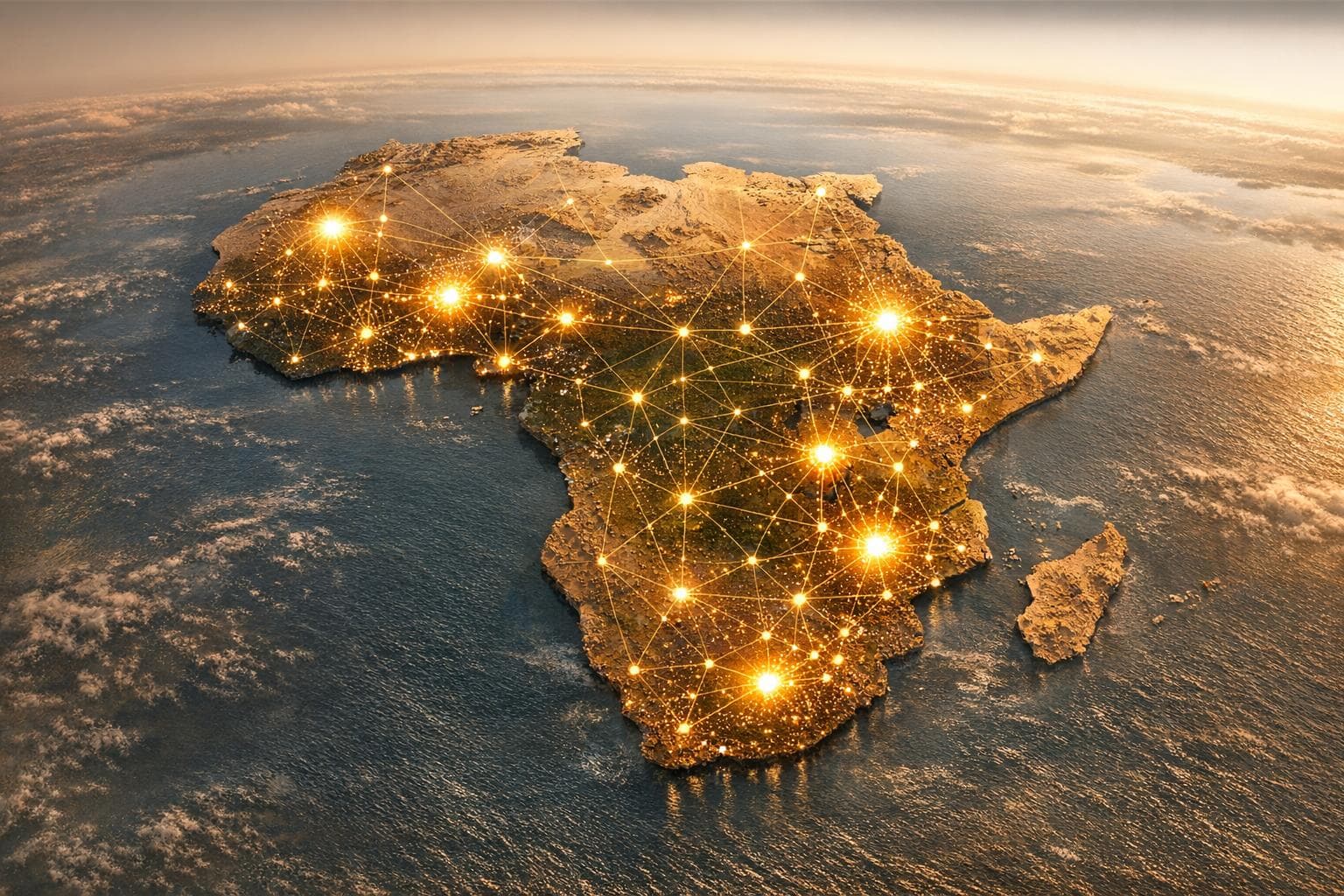
The entertainment giant's legal assault on ByteDance marks a pivotal moment for AI regulation, with profound implications for Kenya's burgeoning "Silicon Savannah" creative economy.
The entertainment giant's legal assault on ByteDance marks a pivotal moment for AI regulation, with profound implications for Kenya's burgeoning "Silicon Savannah" creative economy.
It is a clash of titans that was inevitable. On one side, The Walt Disney Company, the century-old guardian of the world's most lucrative intellectual property. On the other, ByteDance, the Chinese tech juggernaut behind TikTok. The battlefield is "Seedance 2.0," an AI video generation tool that Disney claims has committed a "virtual smash-and-grab" of its universe.
The cease-and-desist letter sent by Disney is blistering. It accuses ByteDance of training its model on a "pirated library" of copyrighted works, allowing users to generate photorealistic clips of Spider-Man, Darth Vader, and Elsa with a simple text prompt. ByteDance has blinked, pledging to "curb" the app, but the genie is already out of the bottle.
Why should a filmmaker in Nairobi or a digital artist in Mombasa care about a lawsuit in California? Because the precedent set here will define the future of African creativity. Kenya's Data Protection Act is robust, but it was written for a world of data breaches, not generative AI theft.
Kenyan creatives are already seeing their styles mimicked by AI models. If Disney—with its army of lawyers—struggles to protect its IP, what chance does an independent Kenyan animator have?
The term "virtual smash-and-grab" perfectly encapsulates the extractive nature of current AI training.
As Kenya positions itself as a digital media hub, this case serves as a warning. Local regulators must urgently update the Copyright Act to address AI training data. Without clear legal frameworks, the unique cultural heritage of East Africa could be scraped, digitized, and monetized by foreign algorithms, leaving local creators with nothing.
The Disney-ByteDance war is not just about movies; it is about who owns the rights to imagination itself.
Keep the conversation in one place—threads here stay linked to the story and in the forums.
Sign in to start a discussion
Start a conversation about this story and keep it linked here.
Other hot threads
E-sports and Gaming Community in Kenya
Active 9 months ago
The Role of Technology in Modern Agriculture (AgriTech)
Active 9 months ago
Popular Recreational Activities Across Counties
Active 9 months ago
Investing in Youth Sports Development Programs
Active 9 months ago