We're loading the full news article for you. This includes the article content, images, author information, and related articles.
The European Parliament adopts a hardline resolution condemning Uganda’s election as undemocratic, calling for an independent investigation and targeted sanctions against military chiefs involved in human rights abuses.

The European Parliament has effectively delegitimized Uganda’s recent general election, passing a scathing resolution that demands an independent probe into "state-sponsored terror" and calls for targeted sanctions against the country’s top military and political elite.
In a diplomatic rebuke of unprecedented severity, European lawmakers in Strasbourg have refused to recognize the re-election of President Yoweri Museveni, describing the January 15 polls not as a democratic exercise, but as a "military operation" designed to crush dissent. The resolution, adopted with an overwhelming majority, accuses the Ugandan security apparatus of orchestrating a campaign of systematic violence, torture, and abductions to secure a seventh term for the 81-year-old leader.
The resolution moves beyond rhetoric to punitive action. The EU Parliament has explicitly recommended the activation of the "Magnitsky Act" protocols, targeting specific individuals within the Ugandan military and government responsible for human rights violations. This could see travel bans and asset freezes imposed on key figures in the Special Forces Command (SFC) and the police leadership.
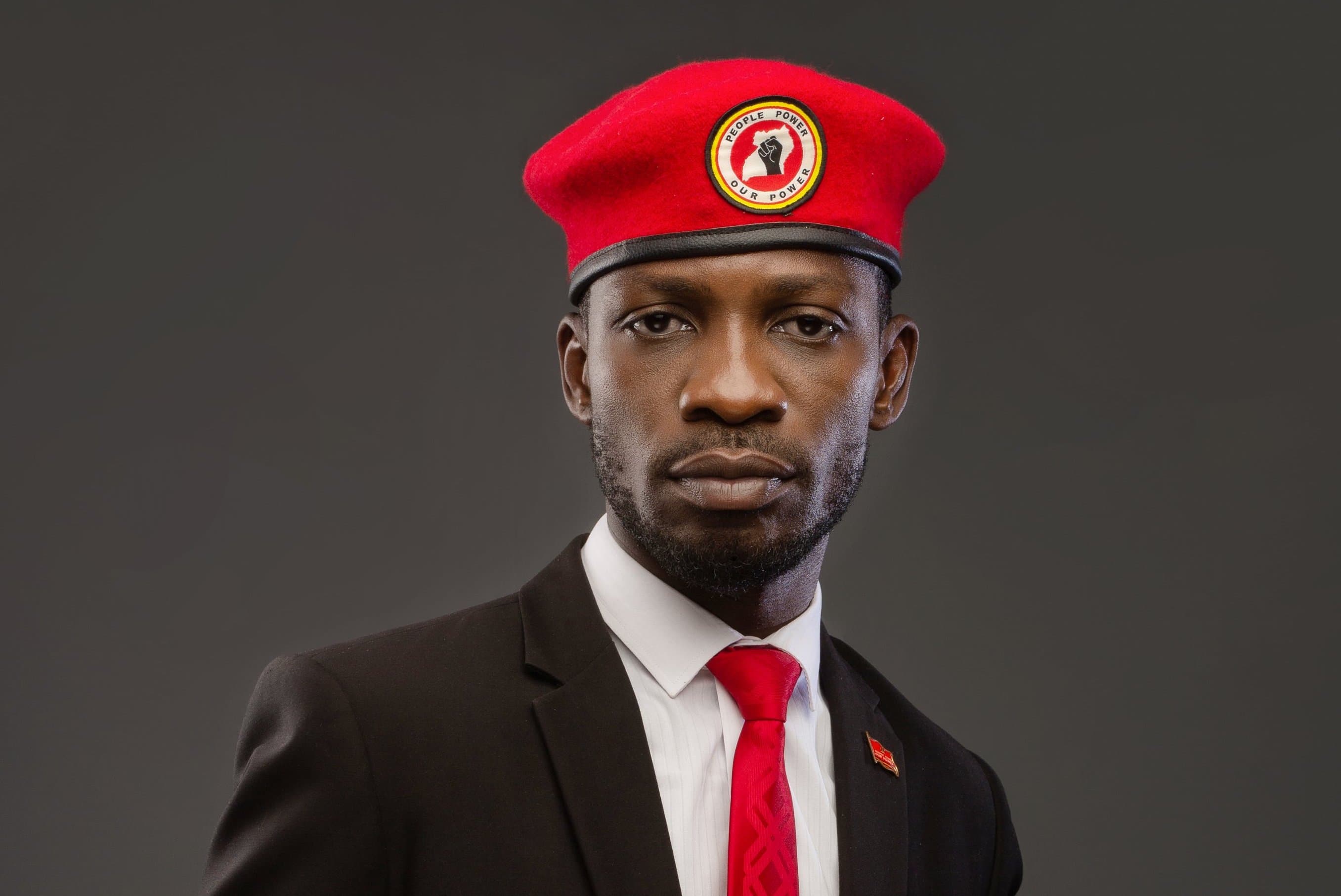
"We are not just watching; we are documenting," said a prominent EU legislator during the heated debate. "The images of tortured civilians, the arbitrary detention of opposition supporters, and the siege of Bobi Wine’s residence are incompatible with our partnership." The resolution specifically highlights the plight of the National Unity Platform (NUP), whose headquarters were raided and whose leadership has been decimated by arrests.
The language used in the resolution marks a definitive shift in Western policy towards Kampala. By referring to the election as a "military operation," the EU has stripped away the veneer of civilian rule, framing the current administration as a de facto junta. This poses a severe diplomatic headache for President Museveni, who has long positioned himself as the guarantor of stability in the Great Lakes region.
For the opposition, this international intervention is a vindication. The resolution demands the immediate and unconditional release of all political prisoners and an end to the trial of civilians in military courts. However, the reaction from the Ugandan government remains defiant, with officials dismissing the EU's stance as "neocolonial interference" and asserting Uganda's sovereignty. As the diplomatic standoff intensifies, the ordinary Ugandan is left caught between a government digging in its heels and an international community slowly closing the tap.
Keep the conversation in one place—threads here stay linked to the story and in the forums.
Sign in to start a discussion
Start a conversation about this story and keep it linked here.
Other hot threads
E-sports and Gaming Community in Kenya
Active 9 months ago
The Role of Technology in Modern Agriculture (AgriTech)
Active 9 months ago
Popular Recreational Activities Across Counties
Active 9 months ago
Investing in Youth Sports Development Programs
Active 9 months ago
Key figures and persons of interest featured in this article