We're loading the full news article for you. This includes the article content, images, author information, and related articles.
Kirinyaga County launches a major menstrual health programme distributing pads to over 3,000 girls to curb absenteeism and empower female students.
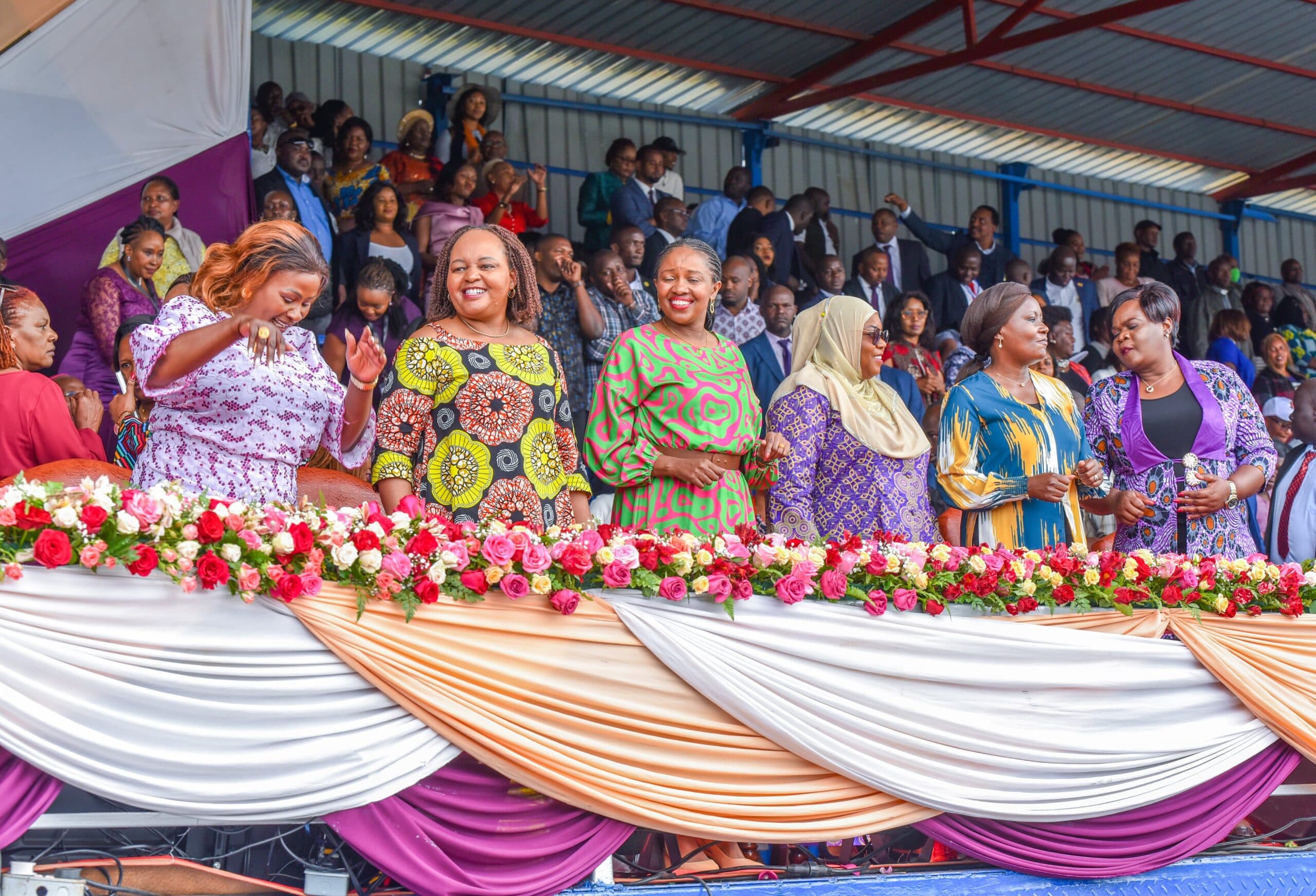
In a decisive move to tackle the silent crisis of menstrual poverty, Kirinyaga County has launched a sweeping programme to distribute sanitary towels to over 3,000 schoolgirls. Governor Anne Waiguru’s initiative targets the root cause of absenteeism, ensuring that no girl is forced to choose between her dignity and her education due to a natural biological process.
The programme, rolled out through the Department of Gender and Youth, has already reached 3,173 girls across 20 schools in the county. It is a direct response to alarming statistics indicating that nearly three out of every ten girls in the region miss school monthly during their menses. "We noted that many girls were suffering, and in some homes, sanitary pads were treated as a last priority due to economic hardship," said Sheila Mwangi, the Chief Officer for Gender and Youth, who spearheaded the distribution on behalf of the Governor.
This initiative goes beyond mere distribution; it is a mentorship and empowerment drive. Alongside the sanitary packs, the county is conducting mentorship sessions designed to build resilience and confidence among the students. The goal is to dismantle the stigma surrounding menstruation that often leads to shame and school dropouts. By normalizing menstrual health, the county aims to create an environment where girls can compete on an equal footing with their male counterparts.
Principals and parents have hailed the move as a "timely intervention." In a rural economy where every shilling counts, the cost of sanitary products can be prohibitive. This government support frees up household income for other essentials while keeping girls in the classroom—a double dividend for the community.
Kirinyaga’s proactive stance sets a benchmark for other devolved units. While the national government has its own programs, the gap in implementation often leaves thousands vulnerable. Governor Waiguru’s direct intervention ensures that the resources reach the ground level where they are needed most.
"This intervention ensures that girls stay in school, learn comfortably and perform without distraction," Mwangi emphasized. As the trucks roll out to more schools, the message is clear: in Kirinyaga, a girl’s education is non-negotiable, and her dignity is protected.
Keep the conversation in one place—threads here stay linked to the story and in the forums.
Sign in to start a discussion
Start a conversation about this story and keep it linked here.
Other hot threads
E-sports and Gaming Community in Kenya
Active 9 months ago
The Role of Technology in Modern Agriculture (AgriTech)
Active 9 months ago
Popular Recreational Activities Across Counties
Active 9 months ago
Investing in Youth Sports Development Programs
Active 9 months ago