We're loading the full news article for you. This includes the article content, images, author information, and related articles.
Plate of Plenty and similar models are revolutionizing food aid by trading charity parcels for consumer dignity during the ongoing cost-of-living crisis.
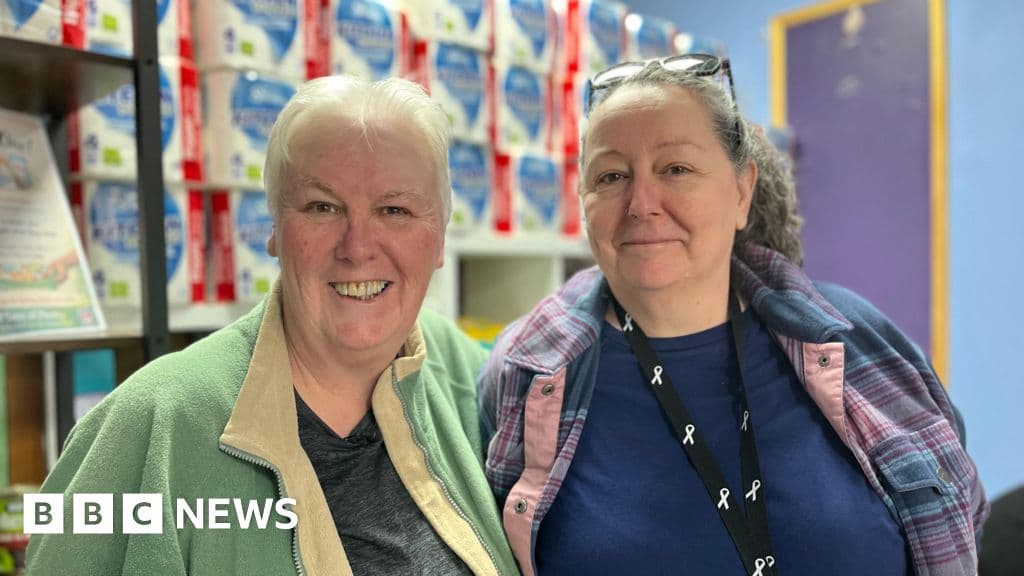
Yvonne Smith stands in the aisles of the Plate of Plenty in Nuneaton, her gaze lingering on shelves that offer more than just caloric survival—they offer a choice. For Smith, a former teaching assistant forced into medical retirement by pulmonary fibrosis, this social supermarket at the Abbeygate Shopping Centre represents a profound shift from the humiliating finality of traditional food banks to a restorative experience of dignity.
This is the front line of a modern crisis response: a model that treats the recipient not as a passive victim of economic circumstance, but as a consumer empowered to select what their family needs. As inflation and stagnant wage growth continue to strain household budgets across the United Kingdom and beyond, the success of grassroots initiatives like Guardians Grow, the charity behind this Nuneaton venture, underscores a critical transition in how communities manage food insecurity.
The traditional food bank model, while vital, often suffers from the rigidity of pre-packed parcels. Recipients receive what is available, regardless of dietary requirements, cultural preferences, or the simple human desire for variety. The social supermarket model dismantles this power imbalance. At Plate of Plenty, users register and pay a nominal fee of £5 (approximately KES 850) to select up to 15 items. This transaction, while symbolic in price, is monumental in psychology. It transforms the act of receiving aid into an act of shopping, restoring a sliver of autonomy to those whose lives have been upended by illness or redundancy.
The mechanics of the model are sustainable and scalable. By sourcing surplus food from manufacturers and retailers that would otherwise be discarded, social supermarkets reduce waste while keeping overheads low. The model functions on three pillars:
The recent £5,000 (approximately KES 850,000) grant from Comic Relief acts as more than just a capital injection it serves as a validation of the social supermarket’s operational methodology. For Sioux Watkins, the founder of Guardians Grow, the funding is a significant turning point. Receiving support from a high-profile philanthropic entity amplifies the visibility of the organization, potentially unlocking further local investment and volunteer engagement.
Critics of aid dependency argue that such models may inadvertently mask deeper structural issues. However, supporters contend that in the face of acute financial crises—where households are forced to choose between heating their homes and feeding their children—these supermarkets provide an essential, immediate safety net. The grant allows Guardians Grow to scale up its capacity, potentially increasing the range of goods, improving refrigeration infrastructure, and ensuring that more families like the Smiths do not have to endure the silence of an empty pantry.
While the Nuneaton story is rooted in the British Midlands, the resonance is global. In urban centers across Kenya, such as Nairobi, the challenge of food insecurity is increasingly met by community-driven digital and brick-and-mortar platforms. Initiatives that leverage mobile technology to facilitate subsidized food distribution in informal settlements share the same philosophical DNA as the Plate of Plenty: the belief that food aid should not be a dehumanizing experience.
Observers of international development policy note that the shift toward social enterprise—where organizations blend the efficiency of business with the mission of charity—is the new gold standard for NGOs. In Nairobi, where the cost of living has seen sharp fluctuations due to global supply chain volatility, the "dignity of choice" model is increasingly relevant. Local entities are finding that when beneficiaries are treated as customers, retention and health outcomes improve because the aid is better aligned with actual community consumption habits, rather than relying on generic, top-down distributions.
The stories of those frequenting these supermarkets are a barometer for the health of the broader economy. Yvonne Smith's journey from a gainfully employed teaching assistant to a beneficiary of charitable support is a cautionary tale of how quickly fragility can set in. Her husband, formerly an electrician, now manages fibromyalgia, illustrating the compounding nature of health crises and financial precarity.
As the international community watches these micro-level interventions, the question remains whether governments will move to formalize these partnerships. If philanthropic grants can spark such effective community resilience, the argument for state-backed social supermarkets becomes increasingly compelling. The success of the Plate of Plenty is a testament to the fact that when you empower the individual with choice, you do not just feed a body you sustain the spirit.
As these models continue to evolve, the challenge for Guardians Grow and their counterparts globally will be to maintain this delicate balance between being a temporary emergency measure and a long-term fixture of social infrastructure. For now, the aisles of the Abbeygate Shopping Centre offer a template for a more humane future—one where necessity is met with respect, and survival is not stripped of dignity.
Keep the conversation in one place—threads here stay linked to the story and in the forums.
Sign in to start a discussion
Start a conversation about this story and keep it linked here.
Other hot threads
E-sports and Gaming Community in Kenya
Active 10 months ago
The Role of Technology in Modern Agriculture (AgriTech)
Active 10 months ago
Popular Recreational Activities Across Counties
Active 10 months ago
Investing in Youth Sports Development Programs
Active 10 months ago