We're loading the full news article for you. This includes the article content, images, author information, and related articles.
The High Court in Malindi orders the release of Bashforth Margaret Christine’s body for cremation after a 37-day bureaucratic standoff, ending a "undignified" ordeal for her family.
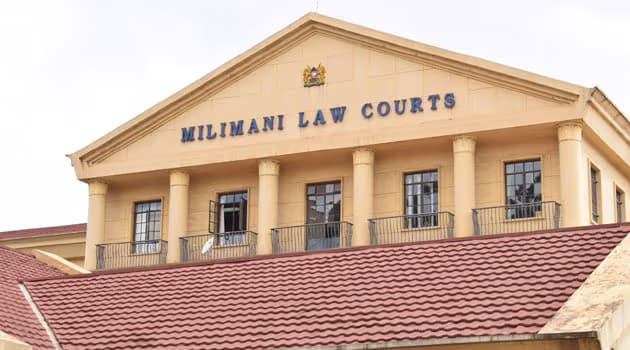
In a somber ruling that exposes the bureaucratic coldness often faced by foreigners dying on Kenyan soil, the High Court in Malindi has finally ordered the release of the body of Bashforth Margaret Christine. For 37 agonizing days, her remains lay in the Star Mortuary, a hostage to procedural limbo, while her next of kin fought a legal battle just to grant her a final wish: cremation.
Justice Mugure Thande certified the matter as urgent, cutting through the red tape that had barred Carina Joan Reeves and Dawn Marie Whetstone from laying their loved one to rest. The applicants had moved to court arguing that the continued detention of the body was not just "undignified" but a violation of public policy and basic human decency. The police and the mortuary had refused to release the body without a court order, citing the lack of a "direct" family member in Kenya.
The tragedy of Bashforth Christine is a cautionary tale for the expatriate community in Kilifi. She died on November 30, 2025, of myocardial infarction (heart attack), as confirmed by a post-mortem. There was no foul play, no police investigation pending, and no dispute over the cause of death. Yet, her body remained frozen in a morgue drawer for over a month, accruing daily fees that her family argued were punitive and unnecessary.
"It is the ultimate indignity," argued their lawyer, Cecil Miller. "To deny the dead their rest because of paperwork is a cruelty that the law should not countenance." The court agreed, directing the immediate release of the remains to the applicants for cremation and subsequent repatriation of the ashes to the United Kingdom or Jersey.
The case highlights a gap in the Kenyan legal framework regarding the death of foreigners. When an expatriate dies without immediate family in the country, the system defaults to a defensive paralysis. Mortuaries fear releasing bodies to the wrong people, and police fear diplomatic backlash. The result is that grieving families are forced to hire lawyers and file petitions just to conduct a funeral.
As Bashforth’s remains are finally prepared for cremation, the community in Malindi is breathing a sigh of relief. But the question remains: why did it take a High Court judge to tell the system that the dead deserve dignity?
Keep the conversation in one place—threads here stay linked to the story and in the forums.
Sign in to start a discussion
Start a conversation about this story and keep it linked here.
Other hot threads
E-sports and Gaming Community in Kenya
Active 9 months ago
The Role of Technology in Modern Agriculture (AgriTech)
Active 9 months ago
Popular Recreational Activities Across Counties
Active 9 months ago
Investing in Youth Sports Development Programs
Active 9 months ago



