We're loading the full news article for you. This includes the article content, images, author information, and related articles.
Silicon Valley billionaires and Global South leaders converge in Delhi for Modi’s AI Impact Summit. The clash: Western tech dominance versus India’s push for "Techno-Gandhism" and digital sovereignty.

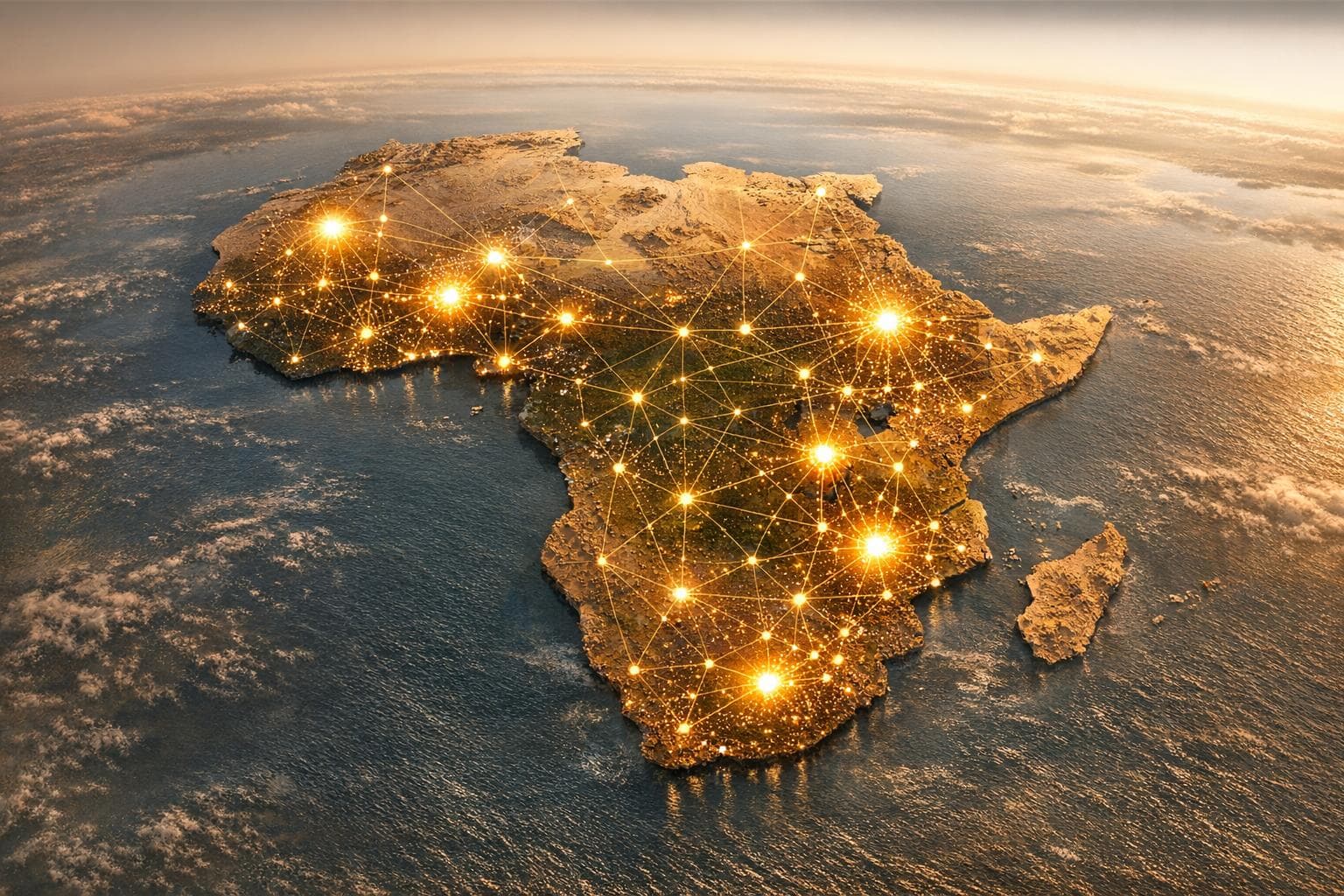
The private jets have touched down in Delhi, carrying the emperors of the digital age to a summit that is less about technology and more about the future geopolitical order. Indian Prime Minister Narendra Modi has convened the world’s tech elite for the AI Impact Summit, positioning India not just as a participant, but as the master of ceremonies in the battle for AI dominance between the Global North and the Global South.
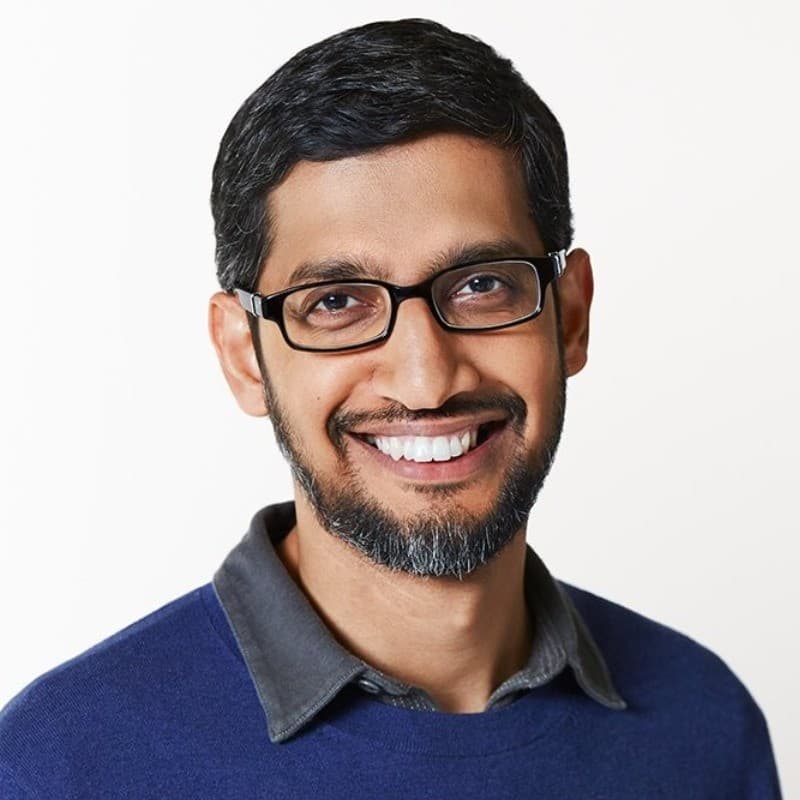
The guest list reads like a roll call of the new world powers. [...](asc_slot://start-slot-11)Sundar Pichai of Google, Sam Altman of OpenAI, and Dario Amodei of Anthropic have arrived to court, cajole, and negotiate with leaders from nations where the average monthly wage is a fraction of a Silicon Valley lunch bill. They are joined by political heavyweights like Rishi Sunak and George Osborne, who have seamlessly pivoted from Downing Street to the boardrooms of the AI revolution. But make no mistake: this is Modi’s show.
The narrative framing this summit is a sharp dichotomy between "AI Colonialism" and "Techno-Gandhism." On one side stand the trillion-dollar US behemoths, racing for supremacy and seeking new markets for their agentic systems that threaten to automate white-collar labor globally. [...](asc_slot://start-slot-13)On the other sits the Global South, led vocally by India, demanding that AI serve the marginalized rather than merely enriching the shareholders.
Key tensions emerging from the summit include:
Prime Minister Modi’s strategy is clear: position India as the "AI garage" of the world—a hub of affordable, scalable, and "human-centric" innovation. His slogan, "Welfare for all, happiness for all," is a deliberate counter-narrative to the profit-maximalist ethos of the US tech firms. However, civil liberties groups cast a long shadow over this optimism, warning that the very tools Modi champions for welfare are being weaponized for state surveillance and the suppression of dissent.
The presence of UN Secretary-General António Guterres underlines the stakes. His warning that AI must not remain a "privilege of the most developed countries" resonates deeply in these halls. The summit is a physical manifestation of the wrestling match for the 21st century’s most potent resource.
Observers have noted the uncomfortable historical echoes. Just as the East India Company once extracted wealth under the guise of trade, critics fear that Google, OpenAI, and their kin are here to extract cognitive wealth. The "welfare" narrative is the sugar coating; the pill is continued technological dependence.
As the summit unfolds, the contrast is stark: tech billionaires discussing "post-labor economics" in a city where millions toil in the informal sector. Modi has brought them to the table, but whether he can force them to dine on his terms remains the trillion-dollar question. For now, Delhi is the capital of the future, and everyone wants a seat at the throne.
Keep the conversation in one place—threads here stay linked to the story and in the forums.
Sign in to start a discussion
Start a conversation about this story and keep it linked here.
Other hot threads
E-sports and Gaming Community in Kenya
Active 9 months ago
The Role of Technology in Modern Agriculture (AgriTech)
Active 9 months ago
Popular Recreational Activities Across Counties
Active 9 months ago
Investing in Youth Sports Development Programs
Active 9 months ago
Key figures and persons of interest featured in this article