We're loading the full news article for you. This includes the article content, images, author information, and related articles.
As algorithms churn out surreal, low-quality clips to capture young eyes, experts warn the "digital pacifier" might be distorting your child’s grasp of reality and language.
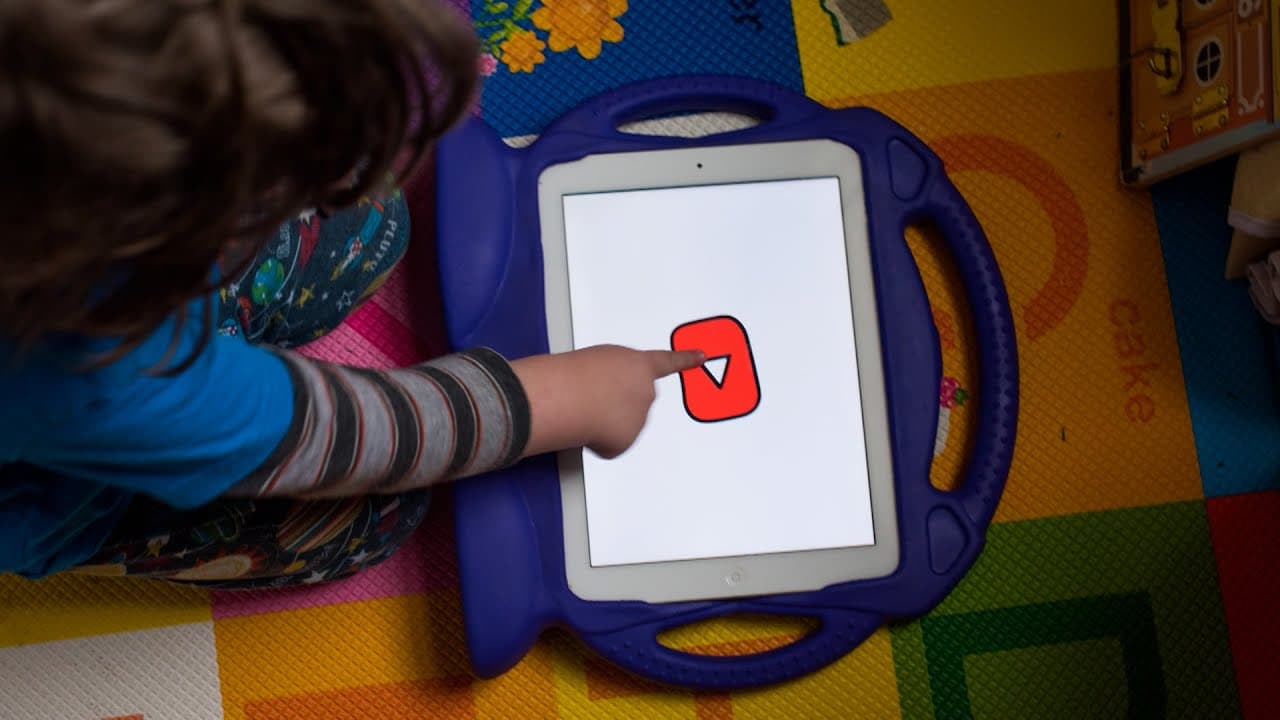
It begins with a welcome silence. The toddler is quiet, mesmerized by the glowing rectangle of a tablet or smartphone, giving a tired parent a moment of respite. But look closer at the screen, and the scene is far from the structured storytelling of Tinga Tinga Tales or Sesame Street. Instead, it is a kaleidoscope of neon colors, morphing shapes, and unintelligible noises.
This is the era of "AI slop"—a flood of low-quality, artificially generated content now saturating YouTube, and experts are sounding the alarm. A recent investigation by Bloomberg has exposed a growing cottage industry where creators use cheap artificial intelligence tools to churn out mass-produced videos aimed at the world's youngest demographic. The objective is not education or entertainment, but raw engagement metrics that translate into ad revenue.
The content is distinctively bizarre. Unlike traditional animation, which follows a narrative logic, these AI-generated clips often feature surreal imagery that defies the laws of physics and reality. Characters merge into objects, backgrounds shift violently, and dialogue is replaced by repetitive, synthesized gibberish.
For a Kenyan parent navigating the high cost of living, the tablet often serves as a necessary, cost-effective babysitter. However, the hidden cost of this content is far higher than a depleted data bundle. Child development experts warn that because babies learn by observing cause and effect, this stream of illogical imagery can derail their understanding of how the physical world works.
In Nairobi and other urban centers, where digital penetration is deepening, the reliance on YouTube Kids is significant. While the platform has safeguards, the sheer volume of AI content—uploaded at a speed no human moderation team can match—means much of it slips through the cracks. The content is designed to hack the brain's attention system, using bright flashes and jarring sounds to keep a toddler staring, even if they are not truly comprehending.
"Parents are advised to monitor their children's viewing habits closely as creators churn out this cheap content for profit," the report notes. The economic incentive is clear: creators can produce hundreds of these videos for a fraction of the cost of hiring human animators, flooding the recommendation algorithms.
The solution requires a shift from passive to active monitoring. Experts suggest that parents must return to the role of gatekeepers. This involves manually selecting channels known for high-quality, human-created content rather than letting the "Autoplay" feature dictate the playlist.
While the convenience of the digital nanny is undeniable, the consensus is shifting. The developing brain requires structure, logic, and human connection—three things the current wave of AI sludge cannot provide. As the lines between reality and simulation blur, the most valuable app on a parent's phone might just be the 'off' button.
Keep the conversation in one place—threads here stay linked to the story and in the forums.
Sign in to start a discussion
Start a conversation about this story and keep it linked here.
Other hot threads
E-sports and Gaming Community in Kenya
Active 9 months ago
The Role of Technology in Modern Agriculture (AgriTech)
Active 9 months ago
Popular Recreational Activities Across Counties
Active 9 months ago
Investing in Youth Sports Development Programs
Active 9 months ago