We're loading the full news article for you. This includes the article content, images, author information, and related articles.
Tanzania Institute of Education and Jenga Hub launch the Kalimani App, an inclusive digital tool designed to bridge the numeracy gap for deaf learners.

A transformative shift in pedagogical technology is taking root in Tanzanian classrooms as the Tanzania Institute of Education and Jenga Hub officially integrate the Kalimani App into the lower primary school curriculum. This initiative, specifically designed to bolster foundational numeracy among children with hearing impairments, signals a critical evolution in the regional approach to inclusive education.
For Standard One to Standard Three pupils, the ability to grasp mathematical concepts during these formative years dictates their academic trajectory for the next decade. For deaf learners, however, this journey is frequently obstructed by a lack of specialized learning materials that translate abstract numerical logic into accessible visual formats. The new collaboration aims to dismantle these barriers, ensuring that the digital revolution in education explicitly includes those historically marginalized by conventional teaching methods.
Mathematics is often perceived as a universal language, yet its delivery relies heavily on linguistic nuances and auditory feedback in traditional classroom settings. For a deaf student, the absence of signs that capture complex arithmetic operations often creates a chasm between the learner and the curriculum. The Kalimani App functions as a bridge, utilizing visual cues, interactive software, and digitized sign language content to standardize how numbers are introduced to children.
Aneth Komba, the Director General of the Tanzania Institute of Education, emphasizes that this development is not merely an auxiliary resource but a fundamental curriculum adaptation. By convening stakeholders to review numeracy content specifically for the Standard One to Three levels, the institution is shifting from a passive model of special needs education to an active, tech-driven engagement strategy. The goal is to provide a standardized, learner-friendly interface that operates independently of the student's ability to hear, thereby leveling the playing field for deaf learners.
The partnership with Jenga Hub, led by Chief Executive Officer Nancy Sumari, introduces a layer of private-sector agility to the public education framework. Jenga Hub has long championed digital literacy, but this specific focus on the Inclusive Numeracy Project marks a strategic pivot toward high-impact educational technology. Sumari describes the week-long intensive development session as a crucible for innovation, where educators and software developers collaboratively mapped out how to translate the primary school numeracy syllabus into digital assets that are intuitive for deaf children.
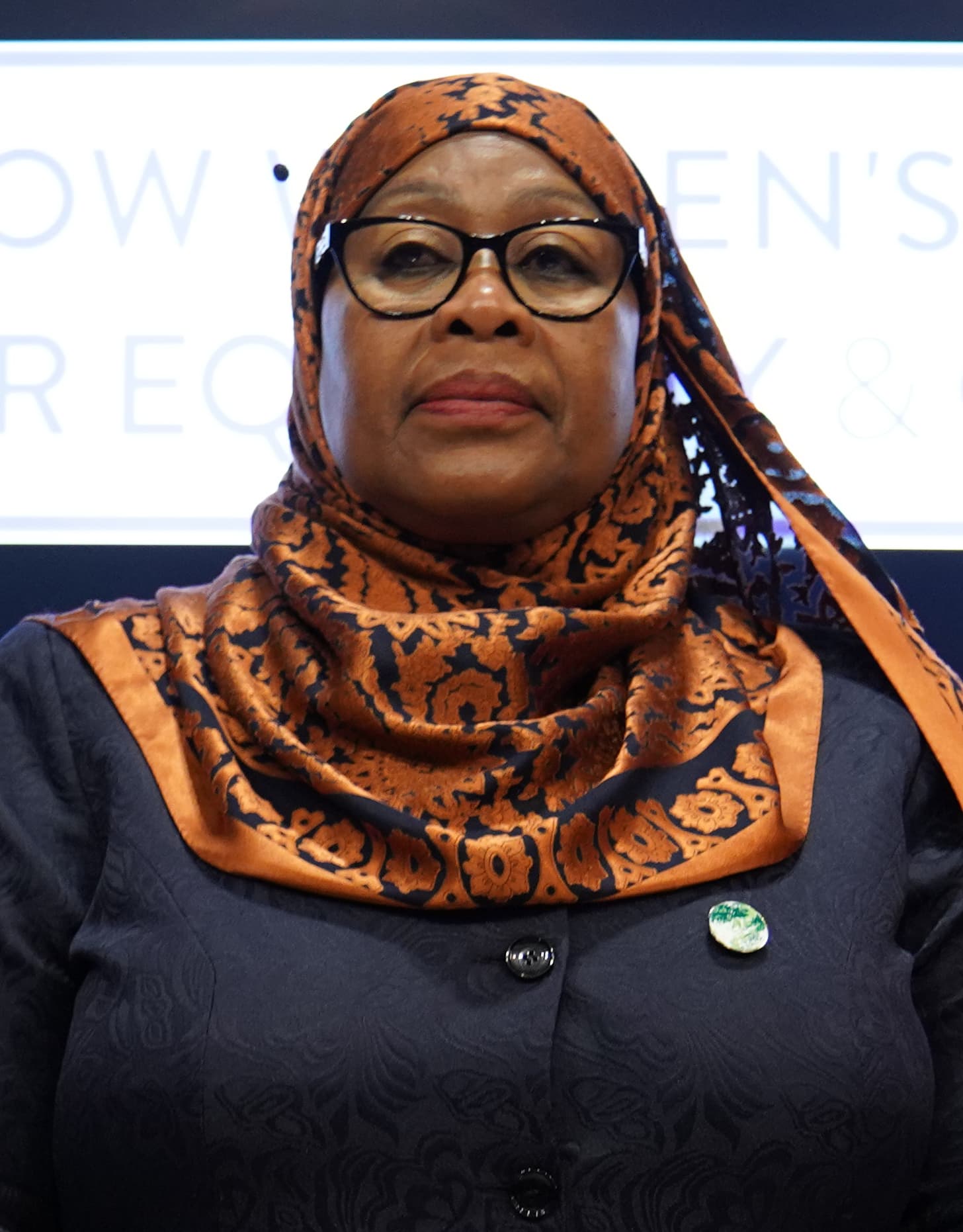
The project aligns with the broader technological strategy spearheaded by President Samia Suluhu Hassan, which prioritizes the digitization of public services and education. By embedding the Kalimani App within the national framework, the government is attempting to move beyond pilot projects and toward a scalable, national solution. This creates a compelling template for other East African nations, where the disparity in educational access for children with disabilities remains a persistent policy failure.
In neighboring Kenya, the Kenya Institute of Curriculum Development has made significant investments in digital content for the Competency-Based Curriculum, yet the specific integration of sign-language-integrated mathematics for lower primary levels remains an area requiring rapid scaling. Regional observers note that the Tanzanian model provides a critical case study in how public-private partnerships can accelerate the deployment of specialized educational tools.
The challenges facing inclusive education across the East African Community are systemic. Without consistent investment in hardware and teacher training, even the most robust educational apps risk becoming digital ornaments rather than functional learning tools. The cost of failing to address these gaps is significant, potentially locking millions of children with disabilities out of the burgeoning digital economy.
Economic analysts often point to the long-term cost of exclusion. When children are left behind in foundational numeracy, they are less likely to transition into secondary and tertiary education, effectively shrinking the future labor force and increasing the long-term burden on social welfare systems. Investments like the Kalimani App, while initially focused on a niche demographic, serve as a foundational step toward a more robust and equitable national education infrastructure.
The success of the Kalimani App will ultimately be measured not by its technical sophistication, but by its reach. The Tanzania Institute of Education faces the Herculean task of distributing these tools across diverse geographical landscapes, from the bustling classrooms of Dar es Salaam to rural schools where infrastructure remains a primary concern. The government's commitment to an inclusive education policy suggests a willingness to fund this expansion, but the efficacy of the program will depend on sustained teacher training and regular updates to the software to reflect evolving curriculum needs.
As these students engage with the digital numeracy modules, the broader education sector in East Africa will be watching closely. If Tanzania can demonstrate that digital inclusion is a viable path for improving academic outcomes among deaf learners, it may catalyze similar investment throughout the region. For the children now interacting with the Kalimani App, the program represents more than just a software interface it is an acknowledgment of their potential and a tangible commitment to their future.
Keep the conversation in one place—threads here stay linked to the story and in the forums.
Sign in to start a discussion
Start a conversation about this story and keep it linked here.
Other hot threads
E-sports and Gaming Community in Kenya
Active 10 months ago
The Role of Technology in Modern Agriculture (AgriTech)
Active 10 months ago
Popular Recreational Activities Across Counties
Active 10 months ago
Investing in Youth Sports Development Programs
Active 10 months ago
Key figures and persons of interest featured in this article