We're loading the full news article for you. This includes the article content, images, author information, and related articles.
Advanced surveillance network promises to turn the tide against poaching in the world’s largest sanctuary, blending artificial intelligence with boots-on-the-ground conservation.
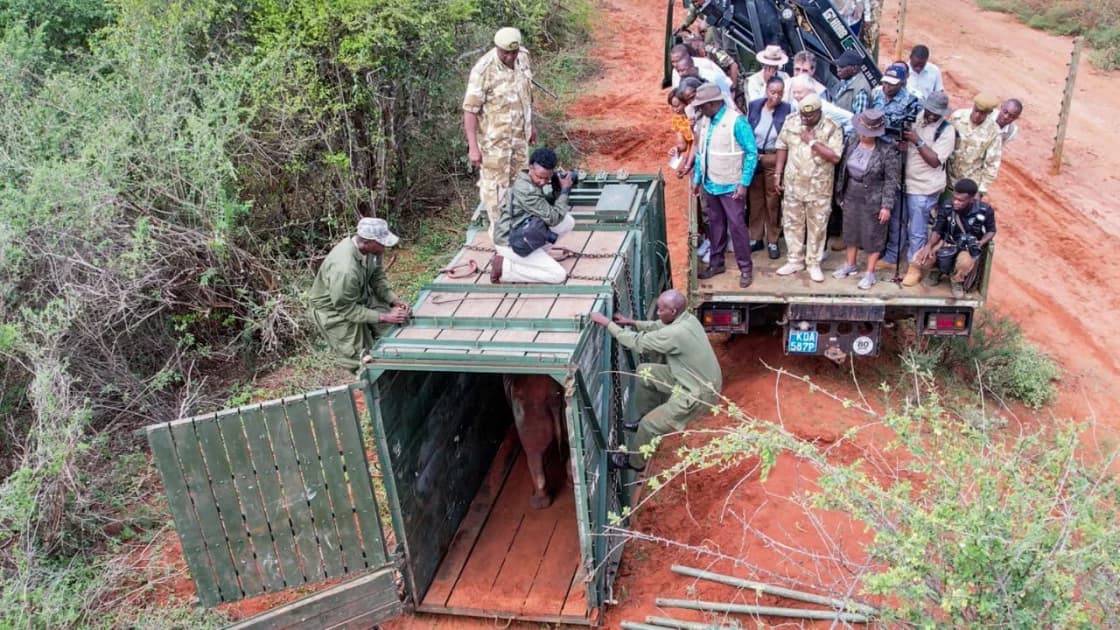
The silence of the Tsavo wilderness is getting a digital upgrade, as the government unveils a KES 607 million (approx. $4.6 million) arsenal of artificial intelligence and drone technology designed to make the world’s largest rhino sanctuary impenetrable.
This investment marks a pivotal shift from reactive patrols to predictive policing. With Kenya’s black rhino population slowly recovering—a fragile success story in the face of global extinction trends—the stakes for the nation’s tourism economy and natural heritage have never been higher.
The initiative, spearheaded by the Ministry of Tourism and Wildlife, integrates cutting-edge technology into the rugged terrain of the Tsavo ecosystem. Officials confirmed that the funding will establish a command center capable of monitoring vast swathes of the park in real-time.
According to the Kenya Wildlife Service (KWS), the new security infrastructure includes:
"We are moving from chasing poachers to stopping them before they enter," a senior KWS warden noted during the briefing. "This technology gives our rangers the advantage of sight and speed that the bush often denies them."
For the average Kenyan, the survival of the rhino is inextricably linked to the economy. Tourism remains a top foreign exchange earner, bringing in billions of shillings annually. A secure park translates directly to sustained revenue for lodges, tour operators, and the local communities in Taita Taveta and surrounding counties.
However, analysts warn that technology is not a silver bullet. Conservation experts emphasize that while drones provide data, it is the rangers on the ground who face the danger. The KES 607 million allocation must also account for the training required to operate these complex systems effectively.
The move comes as poaching syndicates become increasingly sophisticated, often utilizing their own night-vision equipment and high-powered weaponry. This investment signals the government's intent to stay ahead in this deadly arms race.
While the sanctuary represents a safe haven, the pressure remains immense. "Technology buys us time," said a representative from a leading conservation NGO operating in the region. "But the ultimate victory lies in community partnership and ending the demand for horn abroad."
As the cameras go live, the message to poachers is clear: the wilderness is watching.
Keep the conversation in one place—threads here stay linked to the story and in the forums.
Sign in to start a discussion
Start a conversation about this story and keep it linked here.
Other hot threads
E-sports and Gaming Community in Kenya
Active 9 months ago
The Role of Technology in Modern Agriculture (AgriTech)
Active 9 months ago
Popular Recreational Activities Across Counties
Active 9 months ago
Investing in Youth Sports Development Programs
Active 9 months ago