We're loading the full news article for you. This includes the article content, images, author information, and related articles.
An editorial call to action against digital exploitation following the scandal of a Russian national secretly filming Kenyan women, demanding stricter laws and platform accountability.
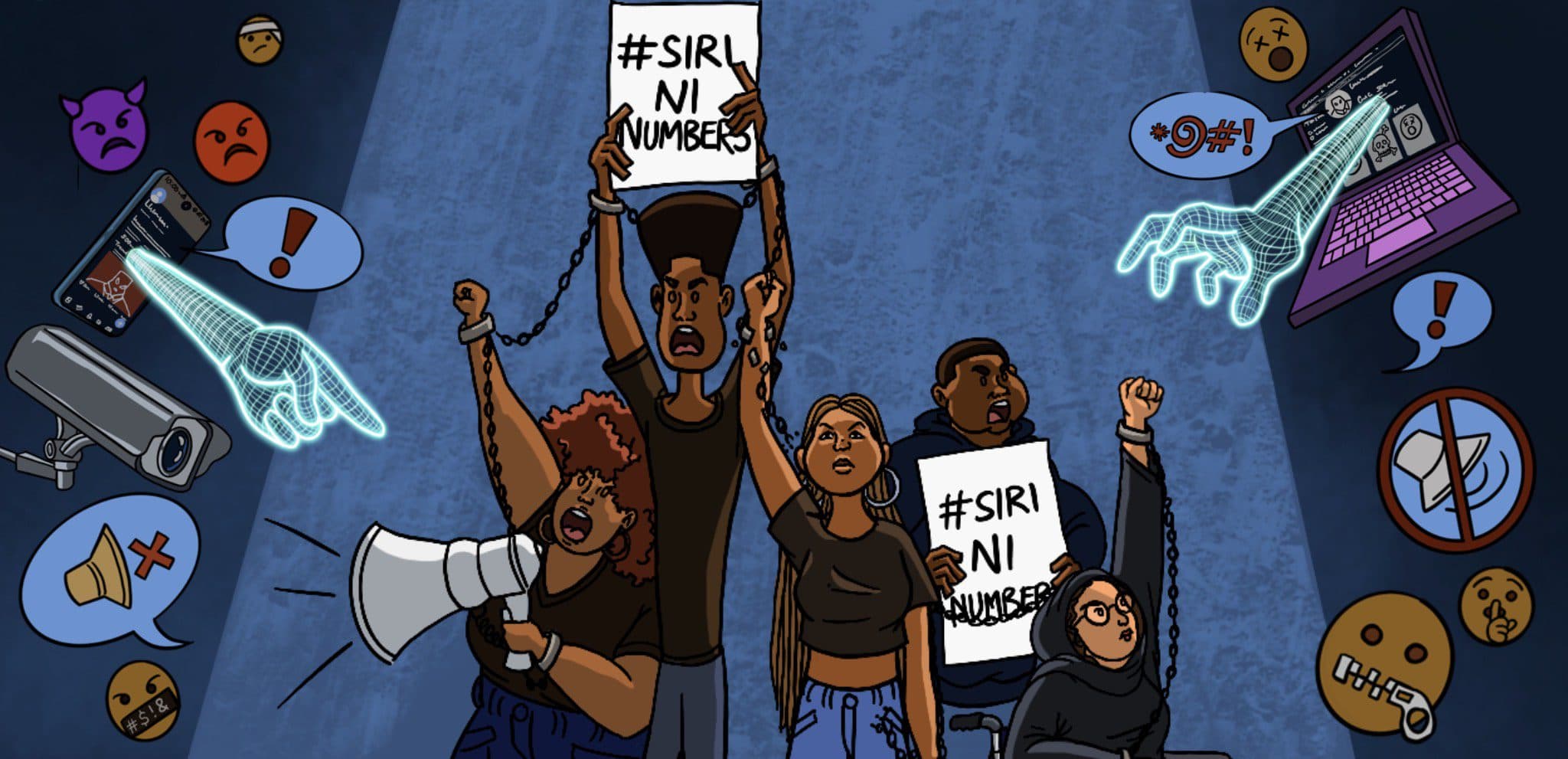
The recent scandal involving a Russian national secretly recording and broadcasting intimate encounters with Kenyan women is more than just a tabloid sensation; it is a violation of our national soul. It has laid bare the gaping vulnerabilities in our digital protections and raised uncomfortable questions about consent, privacy, and the commodification of African bodies in the global content marketplace.
The videos, which circulated widely on platforms like TikTok and Telegram, showed the foreigner approaching women in public spaces—malls, streets, markets—and maneuvering them into uncomfortable interactions, often under the guise of casual conversation. These encounters were then monetized for an online audience, turning unsuspecting citizens into unwitting actors in a reality show they never auditioned for. This is digital exploitation, pure and simple.
The core of this issue is consent. A conversation is not a contract for broadcast. Accepting a cup of coffee is not permission to be filmed, edited, and sold. The editorial board asserts that exploitation does not become legitimate simply because the victim is an adult. "Adults make choices, but they must be informed choices, not ones engineered by manipulation or secrecy," the piece argues.
Our laws must catch up to this reality. While the Constitution enshrines the right to privacy and dignity, and the Computer Misuse and Cybercrimes Act offers some protections, enforcement is lagging. The government’s response, led by Cabinet Secretary Hanna Wendot Cheptumo, to activate a "whole-of-government" approach is welcome, but it must be sustained. We need:
This incident also forces a mirror upon our society. It challenges us to reflect on why some are easily lured by the promise of fleeting attention or gifts. "Do not trade your dignity for fleeting attention," the editorial implores. It is a harsh but necessary truth.
Ultimately, the protection of Kenyan citizens is the primary duty of the state. We cannot allow our country to become a playground for digital colonialists who view our people as content fodder. The message must be loud and clear: Kenyan dignity is not for sale, and those who try to auction it will pay a heavy price.
Keep the conversation in one place—threads here stay linked to the story and in the forums.
Sign in to start a discussion
Start a conversation about this story and keep it linked here.
Other hot threads
E-sports and Gaming Community in Kenya
Active 9 months ago
The Role of Technology in Modern Agriculture (AgriTech)
Active 9 months ago
Popular Recreational Activities Across Counties
Active 9 months ago
Investing in Youth Sports Development Programs
Active 9 months ago