We're loading the full news article for you. This includes the article content, images, author information, and related articles.
Safaricom advises millions of Kenyan users to disable Google RCS after a catastrophic service failure leaves messages undelivered, forcing a mass regression to standard SMS and WhatsApp.
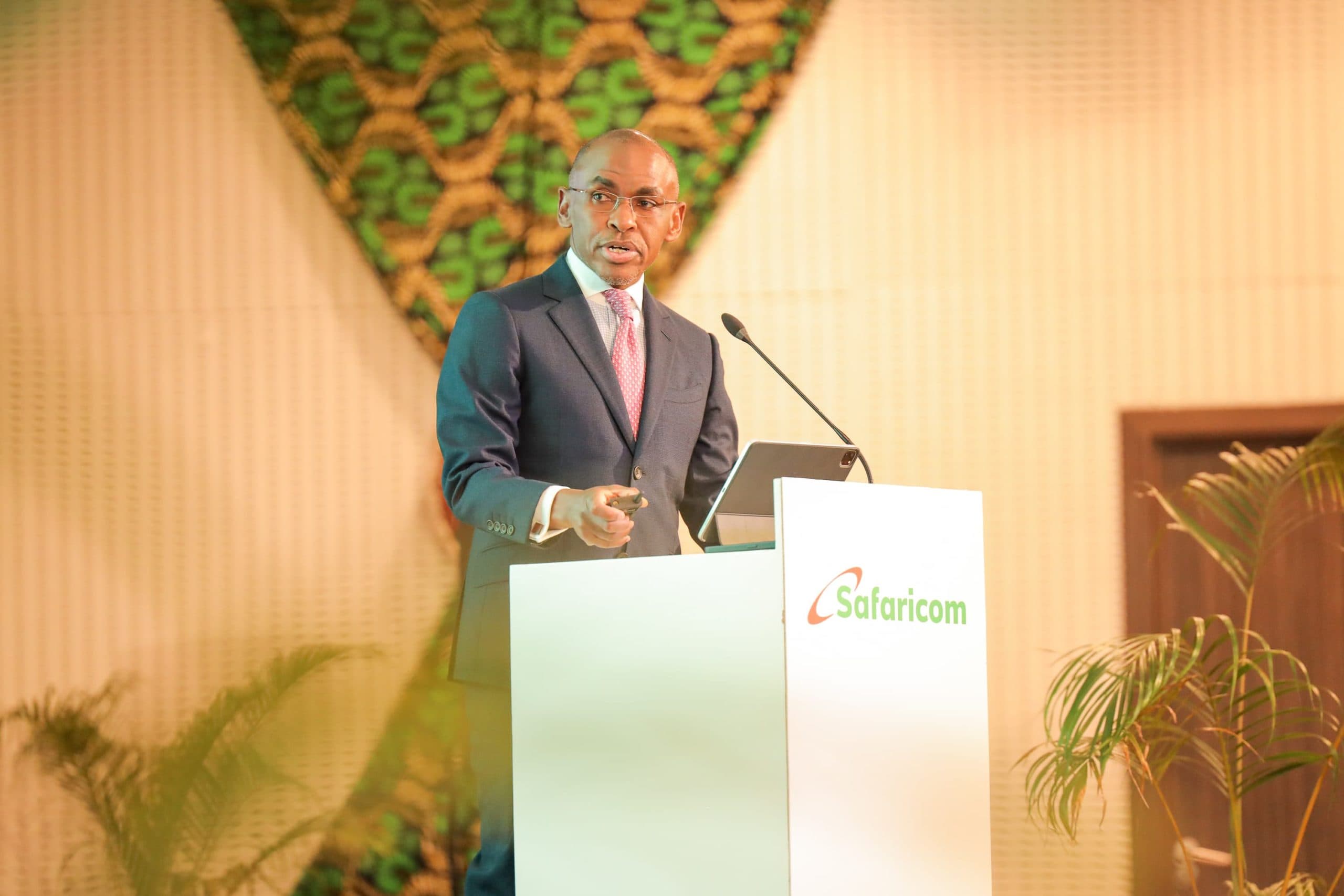
The promise of a seamless, "blue-bubble" experience for Android users has collapsed into a digital chaotic void. In a stunning admission of technical failure, Safaricom is now actively advising millions of subscribers to disable Google’s Rich Communication Services (RCS), signaling a major infrastructure breakdown that has left users stranded in a communication limbo.
For months, Kenyan Android users have been grappling with a persistent "Setting up" or "Not supported" error on their Google Messages app. What was initially dismissed as a minor glitch has metastasized into a critical service failure. The crux of the issue? Messages are simply vanishing into the ether—neither delivered as high-tech RCS chats nor falling back to standard SMS—forcing a mass migration back to third-party apps like WhatsApp and, ironically, the archaic SMS technology RCS was meant to replace.
The situation reached a breaking point this week when Safaricom, the region's telecommunications hegemon, began sending direct advisories to frustrated customers: "Go to Settings > RCS chats > Turn off." This directive is a smoking gun. It is a tacit admission that the carrier, in tandem with Google's Jibe platform, cannot currently guarantee the basic delivery of text messages via the advanced protocol.
While reports of RCS instability have surfaced globally, the impact in Kenya is particularly acute due to the dominance of Android devices, which hold over 80% of the market share. For the average user in Nairobi or Kiambu, who relies on SMS for everything from M-PESA transaction alerts to family coordination, this unreliability is untenable. The "silent failure" of messages—where a sender believes a text is sent, but the recipient receives nothing—is the most damaging aspect of this outage.
Tech analysts suggest this may be linked to a backend conflict between Google’s Jibe servers and Safaricom’s legacy SMS firewalls, potentially triggered by a recent software update. "It’s a handshake failure," explains a Nairobi-based network engineer. "The phone tries to send data, the network rejects it, and it doesn't know how to default back to a simple text message."
As the "Not Supported" status persists on screens from Westlands to Mombasa, the dream of a native, iMessage-like competitor on Android remains just that—a dream. For now, Kenyans are being forced to regress technologically to ensure their voices are heard.
Keep the conversation in one place—threads here stay linked to the story and in the forums.
Sign in to start a discussion
Start a conversation about this story and keep it linked here.
Other hot threads
E-sports and Gaming Community in Kenya
Active 10 months ago
Popular Recreational Activities Across Counties
Active 10 months ago
The Role of Technology in Modern Agriculture (AgriTech)
Active 10 months ago
Investing in Youth Sports Development Programs
Active 10 months ago



