We're loading the full news article for you. This includes the article content, images, author information, and related articles.
Kenya's development agenda faces severe headwinds as sovereign debt interest payments are projected to consume a quarter of the national budget, hitting a staggering Sh1.2 trillion.
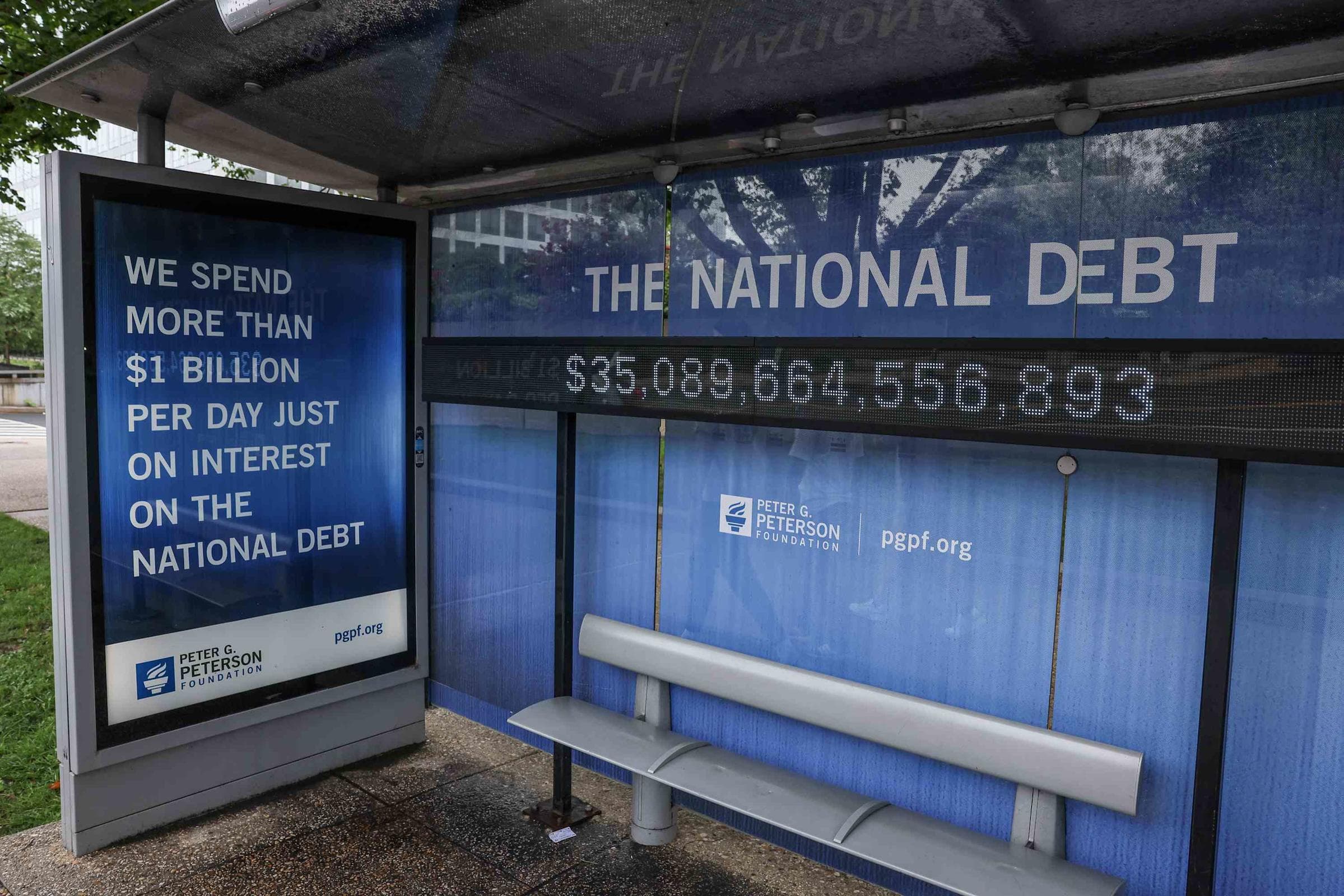
Kenya's development agenda faces severe headwinds as sovereign debt interest payments are projected to consume a quarter of the national budget, hitting a staggering Sh1.2 trillion.
The fiscal reality facing the Kenyan government has reached a critical inflection point. As the dust settles on the latest budget projections, a sobering picture emerges: the nation's aggressive borrowing spree over the past decade has culminated in a crippling debt service burden.
With public debt interest payments projected to hit Sh1.2 trillion by the 2026/27 financial year, the space for essential development expenditure is rapidly evaporating. This is not merely a macroeconomic statistic; it is a direct threat to the country's socio-economic progression.
The core issue is the relentless "crowding out" of vital public services. When a quarter of the entire national budget is ring-fenced simply to service the interest on existing loans, the collateral damage is felt in hospitals, schools, and infrastructure projects across the 47 counties.
Development spending, the primary driver of job creation and long-term economic growth, is inevitably the first casualty of fiscal consolidation. The government is forced into a precarious balancing act: meeting external obligations to maintain sovereign credit ratings while attempting to fund domestic infrastructure.
This dynamic creates a vicious cycle. Reduced development spending leads to slower economic growth, which in turn diminishes tax revenue, forcing the government to borrow further to bridge the deficit.
How did East Africa's largest economy arrive at this precarious juncture? The accumulation of debt has been driven by a combination of massive infrastructure projects—most notably the Standard Gauge Railway (SGR)—and persistent budget deficits exacerbated by global economic shocks.
The restructuring of this debt portfolio is no longer an option; it is an absolute necessity. However, negotiating favorable terms in a high-global-interest-rate environment is a formidable challenge for the National Treasury.
The path forward requires decisive and politically difficult action. The government must aggressively pursue fiscal consolidation, not merely through punitive taxation, but through drastic cuts in recurrent expenditure and the elimination of wastage in the public sector.
Furthermore, there must be a strategic shift towards public-private partnerships (PPPs) to fund critical infrastructure, thereby transferring the financial burden away from the sovereign balance sheet.
The stakes are existential. Failure to reign in the debt service burden risks plunging the country into a protracted period of economic stagnation, undermining the aspirations of a youthful and dynamic population.
"We are borrowing from our children to pay for the excesses of today. The bill has finally come due," warned a prominent Nairobi-based economist.
Keep the conversation in one place—threads here stay linked to the story and in the forums.
Sign in to start a discussion
Start a conversation about this story and keep it linked here.
Other hot threads
E-sports and Gaming Community in Kenya
Active 9 months ago
The Role of Technology in Modern Agriculture (AgriTech)
Active 9 months ago
Popular Recreational Activities Across Counties
Active 9 months ago
Investing in Youth Sports Development Programs
Active 9 months ago