We're loading the full news article for you. This includes the article content, images, author information, and related articles.
From the streets of Dar es Salaam to the Sahel, a year of disputed polls and entrenched power has stalled governance gains, leaving Kenya watching its neighbors with growing unease.
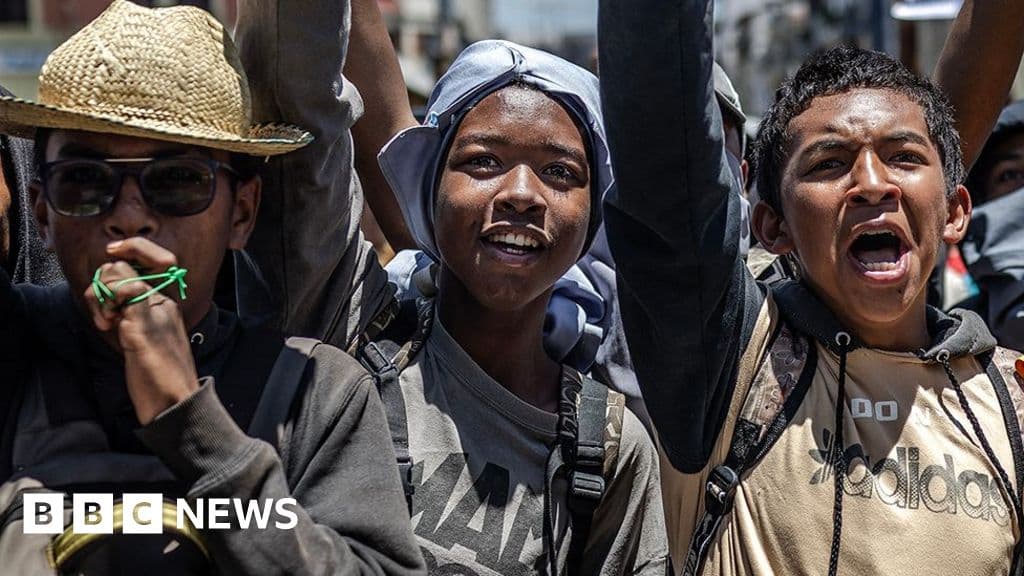
The tear gas that choked Dar es Salaam in October did more than just disperse crowds; it effectively suffocated Tanzania’s long-held reputation as East Africa’s sanctuary of peace and stability.
As 2025 draws to a close, the events next door serve as a grim microcosm for a continent where the social contract is visibly fraying. From rigged polls to entrenched military juntas, the gap between rulers and the ruled has widened, posing urgent questions for regional stability and the economic integration that Kenyan businesses rely on.
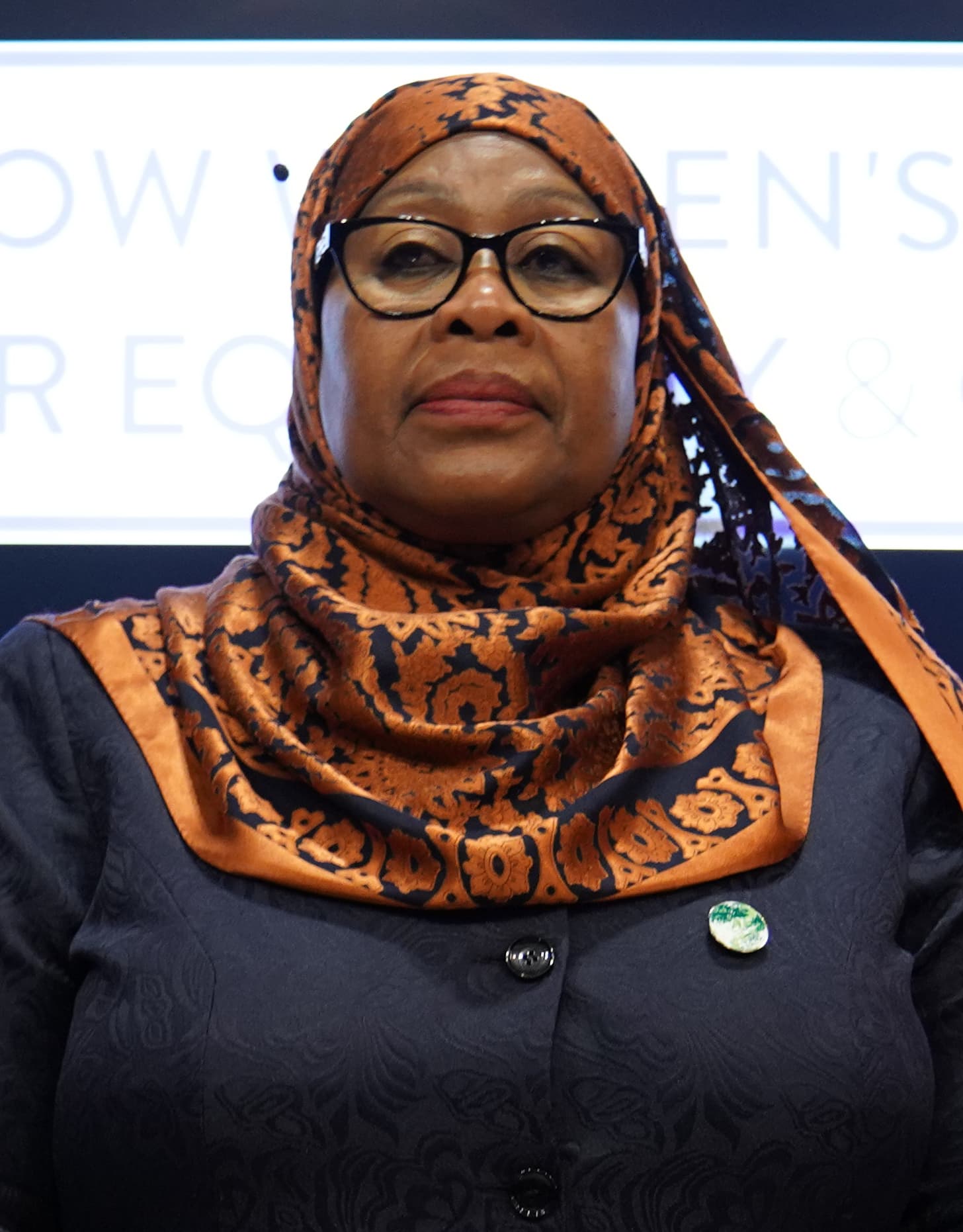
The statistics emerging from our southern neighbor are stark, if not incredulous. President Samia Suluhu Hassan was declared the winner of the October election with 98% of the vote—a margin that recalls the single-party eras of the past rather than a modern, competitive democracy.
But the numbers hide a volatile reality. With opposition candidates either imprisoned or barred from running, the ballot box offered no real alternative. When citizens took to the streets to protest what they viewed as a rigged process, the state’s response was lethal. Police opened fire, killing demonstrators and drawing sharp condemnation from regional bodies.
For Kenyans, who view Tanzania not just as a neighbor but as a vital trading partner, this regression is alarming. Instability across the border threatens the flow of goods and services, potentially impacting cross-border trade which is valued in the billions of shillings annually.
Tanzania is not an outlier; it is part of a troubling pattern that defined 2025. Across Africa, the mechanisms of democracy have been tested and, in many cases, found wanting. While military leaders have cemented their power in the Sahel, civilian governments elsewhere have used the machinery of the state to silence dissent.
The Mo Ibrahim Foundation, a watchdog for African leadership, has sounded the alarm. Their latest data indicates that progress in governance has effectively stalled compared to the decade leading up to 2022. The report highlights a deterioration in critical metrics:
"If we look at the overall picture across the continent, the trend is worrying," noted Mo Ibrahim, emphasizing that the breakdown is not just political but systemic. When governance fails, the economy follows.
Analysts warn that the upheaval seen in 2025 is likely a precursor to a turbulent 2026. For the Kenyan wananchi, this is a reminder that democracy is fragile. The breakdown of trust between the state and the street is not merely a foreign news story—it is a warning sign that when the voice of the people is ignored, the resulting silence is often broken by gunfire.
Keep the conversation in one place—threads here stay linked to the story and in the forums.
Sign in to start a discussion
Start a conversation about this story and keep it linked here.
Other hot threads
E-sports and Gaming Community in Kenya
Active 9 months ago
The Role of Technology in Modern Agriculture (AgriTech)
Active 9 months ago
Popular Recreational Activities Across Counties
Active 9 months ago
Investing in Youth Sports Development Programs
Active 9 months ago
Key figures and persons of interest featured in this article