We're loading the full news article for you. This includes the article content, images, author information, and related articles.
President Samia’s administration dismisses UN reports of mass killings as "slanderous," but for Kenyan traders and families across the border, the silence from the south is deafening.
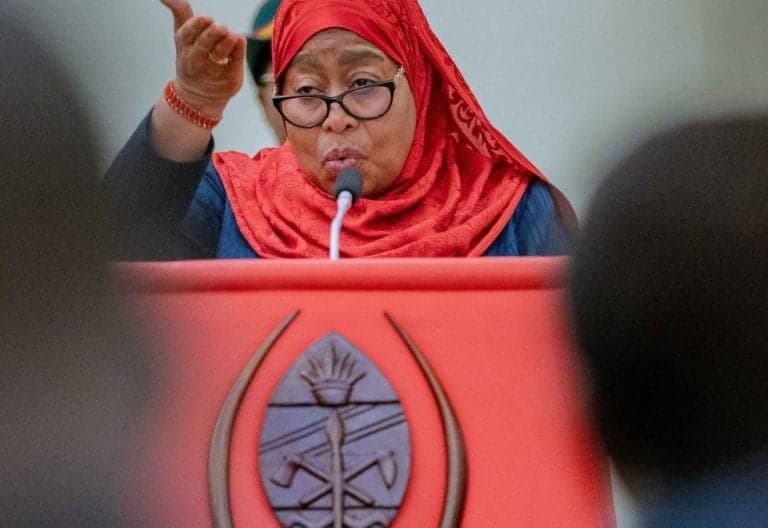
In a blistering rebuke that has sent shockwaves through the East African Community, the Tanzanian government has told off foreign powers, categorizing international concern over its bloody post-election crackdown as “imperialist interference.” The statement, issued late Friday from Dodoma, marks a definitive end to the brief era of “Samia the Reformer” and signals a return to the hardline isolationism of her predecessor.
The diplomatic row erupted just days after the United Nations Human Rights Office (OHCHR) released a damning report alleging that “hundreds” of protesters were killed by security forces following the disputed October 29 General Election. While the National Electoral Commission declared President Samia Suluhu Hassan the winner with a staggering 98% of the vote, the streets of Dar es Salaam and Arusha tell a different, darker story.
Government Spokesperson Mobhare Matinyi, in a televised address, dismissed the allegations of mass graves and extrajudicial killings as “slanderous fabrications” engineered by foreign agents to destabilize the nation. “Tanzania is a sovereign state,” Matinyi emphasized, warning that Dodoma would not tolerate “lectures on democracy” from nations struggling with their own internal divisions.
This defensive posture comes as the United States—now under the Trump administration—and the European Union weigh potential sanctions. For the average Kenyan, however, this diplomatic standoff is not abstract politics; it is an economic ticking time bomb. The escalating tension threatens the free flow of goods through the Namanga and Holili borders, a trade corridor worth over $900 million (approx. KES 117 billion) annually.
Analysts are drawing chilling parallels between this crackdown and the 2020 elections under the late John Magufuli. “We thought the dark days were behind us,” noted a senior Chadema official, speaking on condition of anonymity from a safe house in Nairobi. “But the brutality we are seeing now—abductions, live ammunition used on crowds—makes 2020 look like a dress rehearsal.”
The opposition claims the death toll exceeds 300, a figure the government vehemently denies. With the internet still throttled in key opposition strongholds, verifying these numbers remains a dangerous game of cat and mouse for journalists on the ground.
The instability next door is already spilling over. Security sources in Kajiado County have confirmed a quiet influx of Tanzanian asylum seekers—mostly opposition activists and young protesters—crossing into Kenya through porous border points. This places President William Ruto in a delicate diplomatic bind: balancing his close ties with Washington against the need to maintain EAC unity.
Economically, the uncertainty is rattling the shilling. Traders at the Namanga border reported a sharp decline in cross-border traffic this week. “Trucks are stuck. We are scared to cross because we hear stories of police seizing foreign vehicles,” said Mary Wanjiku, a tomato trader. “If Tanzania closes up, we don’t just lose a neighbor; we lose a market.”
As the dust settles on a tarnished victory, the question remains: Can President Samia govern a nation that she has effectively silenced? For now, Dodoma’s message to the world is clear—look away. But with families still searching for their missing loved ones, the eyes of the region remain wide open.
Keep the conversation in one place—threads here stay linked to the story and in the forums.
Sign in to start a discussion
Start a conversation about this story and keep it linked here.
Other hot threads
E-sports and Gaming Community in Kenya
Active 9 months ago
The Role of Technology in Modern Agriculture (AgriTech)
Active 9 months ago
Popular Recreational Activities Across Counties
Active 9 months ago
Investing in Youth Sports Development Programs
Active 9 months ago
Key figures and persons of interest featured in this article