We're loading the full news article for you. This includes the article content, images, author information, and related articles.
Mandera County Deputy Governor Ali Maalim Mohamed has strongly defended devolution's achievements in northern Kenya, dismissing claims of failure.
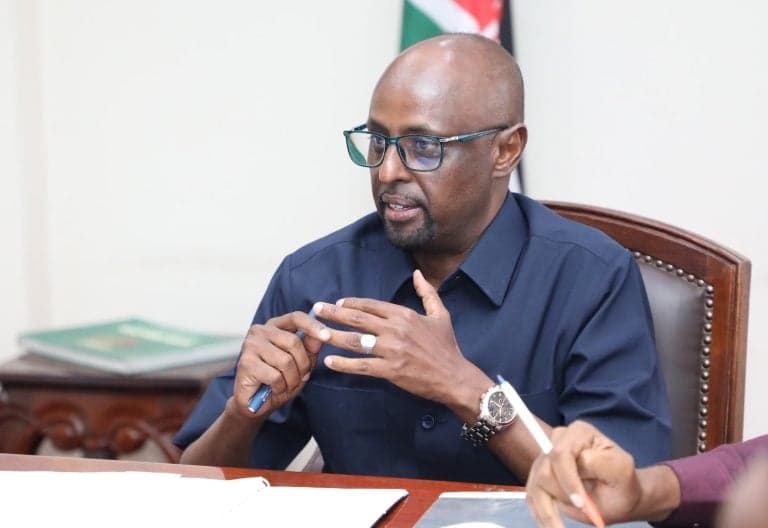
The scars of history run deep in the arid lands of Northern Kenya. Mandera County Deputy Governor Ali Maalim Mohamed has delivered a powerful defense of his region, attributing its persistent struggles not to modern failure, but to a century of calculated marginalization by colonial and post-independence regimes.
Speaking with the authority of a leader on the frontlines, Maalim dismissed the simplistic narrative that devolution has failed the North. Instead, he pointed to the "Closed Districts" ordinances of the colonial era, which effectively fenced off Northern Kenya as a buffer zone, denying it the investment in education, infrastructure, and health that the rest of the country enjoyed. "The disparities we see today are not accidental; they are the product of long-standing structural exclusion," Maalim argued, reframing the debate on regional inequality.
Maalim vigorously defended the achievements of devolution, describing it as a "transformative moment" that has finally begun to close the gap. Since 2013, billions of shillings have flowed into counties like Mandera, building hospitals and schools where none existed. However, he acknowledged that money alone cannot undo decades of neglect overnight. The Deputy Governor called for patience and a nuanced understanding of the unique challenges—from insecurity to vast distances—that Northern leaders face.
Crucially, Maalim did not shy away from internal criticism. He admitted that "governance deficits" like clan-based patronage and corruption have hindered progress. Yet, he insisted that these are teething problems of a young democracy, not evidence that the North is incapable of self-rule. His message was clear: do not judge Mandera by the standards of Kiambu, which has had a 50-year head start.
Maalim’s intervention is a timely reminder that Kenya is a nation of unequal starts. His argument challenges the national government to move beyond equal resource allocation to equitable affirmative action. The playing field is not level, and until the historical injustices are acknowledged and addressed, the North will always be playing catch-up.
As the debate on revenue sharing and development rages on, Ali Maalim’s voice stands out as a beacon of historical clarity. The North is rising, he asserts, but it is rising from a pit dug by others long ago.
Keep the conversation in one place—threads here stay linked to the story and in the forums.
Sign in to start a discussion
Start a conversation about this story and keep it linked here.
Other hot threads
E-sports and Gaming Community in Kenya
Active 9 months ago
The Role of Technology in Modern Agriculture (AgriTech)
Active 9 months ago
Popular Recreational Activities Across Counties
Active 9 months ago
Investing in Youth Sports Development Programs
Active 9 months ago



