We're loading the full news article for you. This includes the article content, images, author information, and related articles.
A damning new report by the Centre for Epidemiological Modelling and Analysis (CEMA) reveals a healthcare system in crisis as Kenya is forced to borrow for health
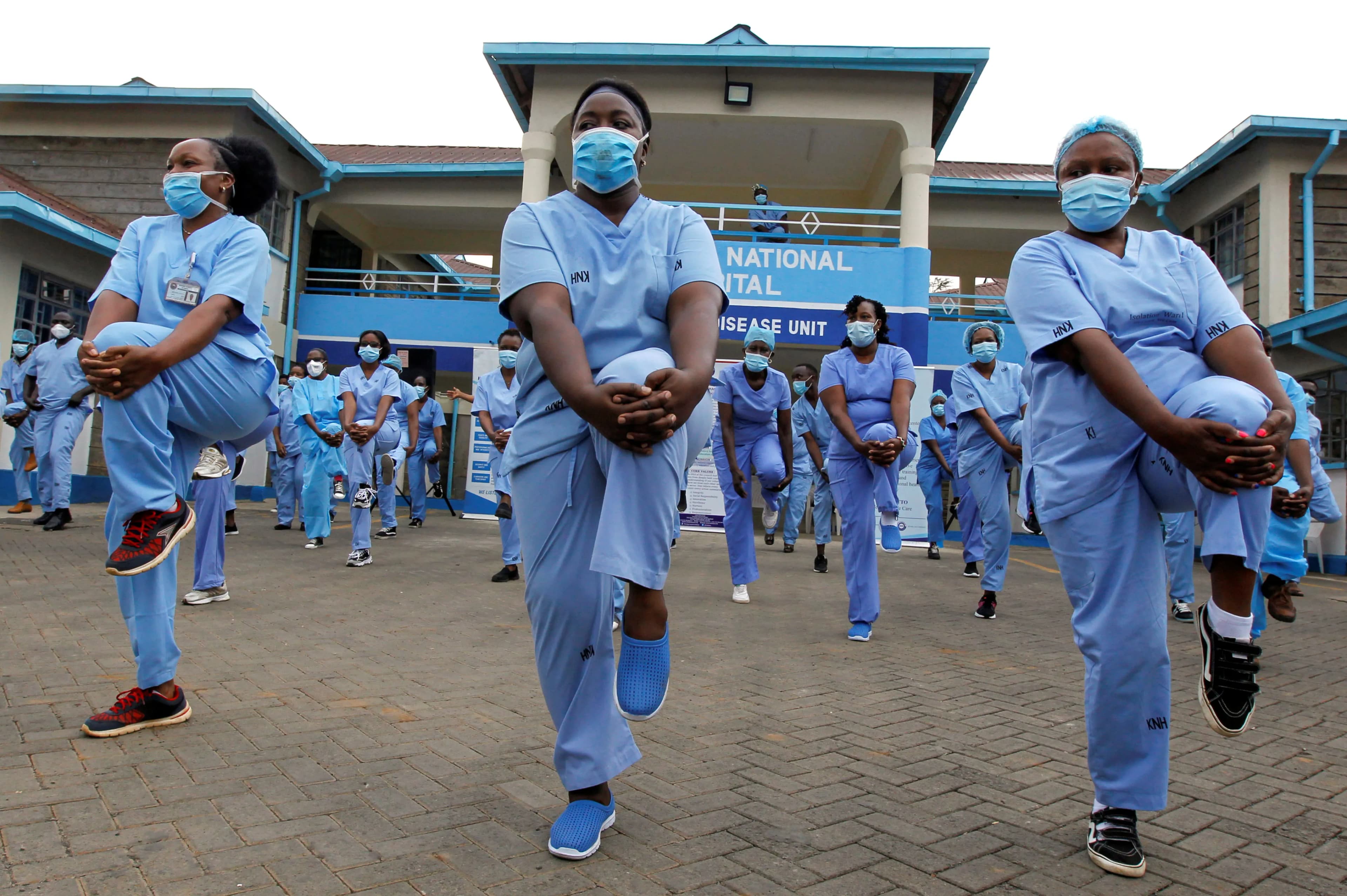
A damning new report by the Centre for Epidemiological Modelling and Analysis (CEMA) reveals a healthcare system in crisis. As Western donors withdraw funding, Kenya is being forced to take out loans to pay for basic health services, trading the health of its citizens for a deepening debt burden.
Kenya’s healthcare sector is facing a "fiscal cliff." A new report warns that the country’s transition to Lower Middle-Income Country (LMIC) status has triggered a disastrous withdrawal of donor funding, forcing the government to borrow heavily to keep hospitals running. The report, titled "Immediate Impact of External Funding Withdrawal on Kenya's Health Sector," paints a bleak picture: grants are disappearing, and they are being replaced by loans that must be repaid with interest.
The numbers are staggering. External funding for health has plummeted from KES 126 billion to KES 54 billion in the 2025/26 financial year. This collapse is largely driven by the withdrawal of support from major partners like the United States (PEPFAR) and the Global Fund. For decades, these donors heavily subsidized HIV/AIDS treatment, malaria prevention, and maternal health. Now, as they pull back, the Kenyan government is scrambling to fill the void, not with tax revenues, but with debt.
The report highlights a disturbing trend: in the 2021/22 financial year alone, 83.2% of on-budget external health support came in the form of loans. "Loans borrowed to invest in healthcare do not have a direct and immediate return," the report notes. Unlike a toll road or a railway, a malaria net does not generate cash flow. By financing health through debt, Kenya is effectively mortgaging its future to treat its present.
The impact on the ground is already being felt. The Kenya Medical Supplies Authority (KEMSA) is struggling to stock essential drugs, and counties are reporting shortages of antiretroviral (ARV) medication. The "crowding-out" effect is real: as the government spends more on debt servicing, it has less to spend on actual healthcare. The report warns that without a radical shift in domestic resource mobilization, the gains made in life expectancy and disease control over the last twenty years could be reversed.
This is not just a financial crisis; it is a moral one. The report challenges the government to stop viewing health as a line item on a loan application and start prioritizing it as a national security imperative. If Kenya cannot afford to keep its people healthy without borrowing from the future, then the "Bottom-Up" economic model is built on sand.
Keep the conversation in one place—threads here stay linked to the story and in the forums.
Sign in to start a discussion
Start a conversation about this story and keep it linked here.
Other hot threads
E-sports and Gaming Community in Kenya
Active 9 months ago
The Role of Technology in Modern Agriculture (AgriTech)
Active 9 months ago
Popular Recreational Activities Across Counties
Active 9 months ago
Investing in Youth Sports Development Programs
Active 9 months ago