We're loading the full news article for you. This includes the article content, images, author information, and related articles.
A total power grid collapse in Cuba leaves millions in darkness, marking a critical escalation in the ongoing US-led oil blockade against the island.
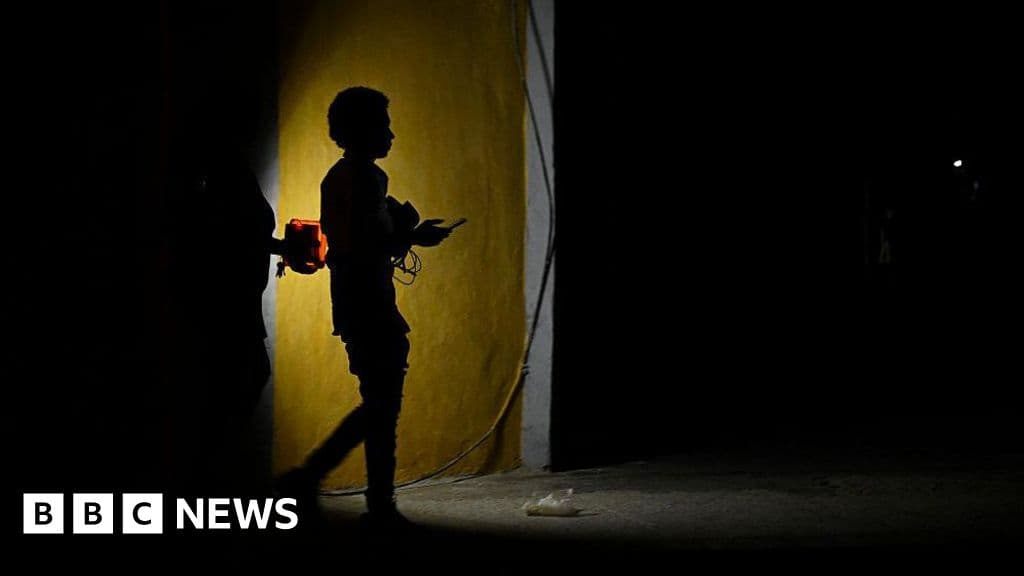
Havana is silent. The familiar hum of refrigerators, the glow of streetlights, and the steady drone of industrial machinery have vanished, replaced by an unnerving quiet that has settled over the island of Cuba. On Monday, the Union Electrica de Cuba (UNE) announced a catastrophic collapse of the national electric grid, plunging millions of citizens into a blackout that effectively paralyzed the Caribbean nation. The failure serves as the definitive punctuation mark on a crisis that has been simmering for months, where chronic fuel shortages have finally outpaced the state’s ability to generate electricity.
This collapse is not merely a technical failure of aging infrastructure it is a direct consequence of a tightened geopolitical stranglehold. For a population of roughly 10 million, the loss of power is not just an inconvenience—it is an existential threat. Hospitals, water treatment facilities, and food refrigeration systems are all heavily reliant on a grid that has now ceased to function, leaving the most vulnerable citizens to navigate a humanitarian crisis that deepens with every passing hour of darkness.
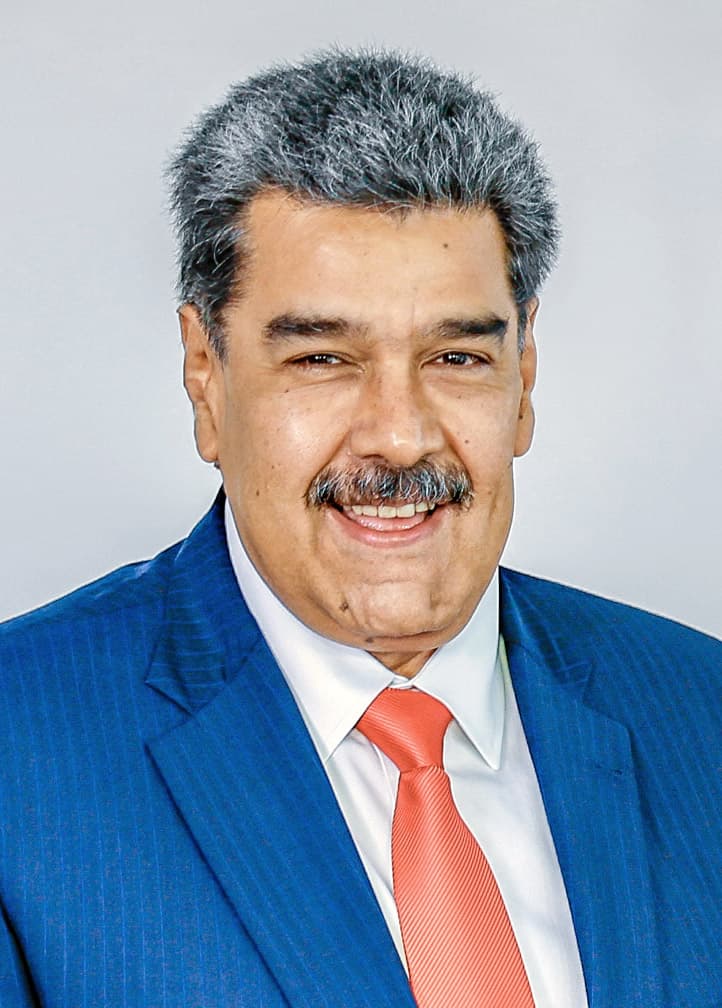
The immediate catalyst for this blackout lies in the abrupt cessation of imported fuel. For years, the island’s energy sector operated on a fragile dependency, primarily fueled by heavy crude oil shipments from Venezuela. This arrangement, which accounted for approximately half of the island’s total oil needs, historically involved the delivery of 35,000 barrels of oil per day. That lifeline was severed in January 2026 following the capture of Venezuelan President Nicolas Maduro.
With the primary supplier removed from the geopolitical board, the flow of essential hydrocarbons to Cuban ports dried up almost instantly. The UNE has struggled to compensate for this deficit, attempting to manage load shedding that had already become a daily reality for millions. However, the system hit its breaking point this week. Data indicates that without consistent deliveries, the thermal power plants—which form the backbone of the Cuban power sector—have been unable to sustain operational pressure.
The geopolitical reality of this blackout is underscored by the current administration in Washington. President Donald Trump, addressing reporters at the White House on Monday, made the administration’s position regarding the island’s sovereignty abundantly clear. His comments reflect a doctrine of total leverage, where the control of energy resources is used as a primary instrument of foreign policy.
The US government has intensified its pressure campaign, proactively seizing oil shipments bound for the island and threatening severe tariffs against any nation or company that attempts to facilitate energy transit to the Cuban government. President Miguel Diaz-Canel has publicly acknowledged the dire circumstances, stating that no oil shipments have successfully docked at the island in the last three months. This period of isolation has effectively starved the Cuban energy sector of the resources required to maintain, let alone expand, its aging power infrastructure.
While the crisis in Havana feels geographically distant from East Africa, the implications are universal. Energy security remains the bedrock of national sovereignty. In Nairobi, the conversation around the energy mix is starkly different. Kenya has made aggressive moves to diversify its power generation through geothermal, wind, and solar initiatives, reducing reliance on single-source fuel imports. The Cuban situation serves as a grim case study on the dangers of energy monoculture—a reliance on a single supplier that, when compromised, leaves the entire nation vulnerable to collapse.
For global citizens, the events in Cuba highlight the fragility of international trade routes for essential goods. When essential commodities like fuel are weaponized, the civilian population is invariably the first to suffer the consequences. The international community, including observers from the United Nations and humanitarian agencies, faces a significant dilemma: how to balance geopolitical objectives against the fundamental human rights of a population to access power, water, and medical care.
The social cost of the blackout is already manifesting in rising public discontent. The island has faced protests in the past, and observers note that the current conditions are ripe for renewed civil unrest. When the basic expectations of a functioning society—access to light and cooling—are unmet for extended periods, the social contract inevitably frays.
Experts in regional energy markets warn that restoration will not be a simple matter of turning a switch. Even if fuel supplies were to resume today, the technical degradation of the power plants means that a phased, weeks-long restart would be required. Until then, millions must rely on personal reserves or primitive alternatives, while the geopolitical standoff continues to dictate the terms of their survival.
As night falls over the island, the blackout raises a haunting question: in an era of global interconnectedness, how long can a nation survive when it is systematically cut off from the vital energy streams that sustain modern life?
Keep the conversation in one place—threads here stay linked to the story and in the forums.
Sign in to start a discussion
Start a conversation about this story and keep it linked here.
Other hot threads
E-sports and Gaming Community in Kenya
Active 10 months ago
Popular Recreational Activities Across Counties
Active 10 months ago
The Role of Technology in Modern Agriculture (AgriTech)
Active 10 months ago
Investing in Youth Sports Development Programs
Active 10 months ago
Key figures and persons of interest featured in this article