We're loading the full news article for you. This includes the article content, images, author information, and related articles.
Mining Cabinet Secretary Ali Hassan Joho's failure to appear before a Senate committee has led to the barring of his Principal Secretary from making budget submissions.

Mining Cabinet Secretary Ali Hassan Joho's failure to appear before a Senate committee has led to the barring of his Principal Secretary from making vital budget submissions.
In a dramatic showdown over legislative oversight and executive accountability, the Senate Committee on Environment, Forestry, and Mining took a hardline stance against the Ministry of Mining following the unexpected absence of Cabinet Secretary Ali Hassan Joho. The committee unequivocally barred the Mining Principal Secretary from presenting the ministry's budget policy statements, demanding the direct presence of the Cabinet Secretary.
This legislative blockade underscores growing frustrations within the Senate regarding the perceived disregard of parliamentary summons by senior executive officials. The budget cycle exercise is a critical constitutional mandate, and the Senate's refusal to proceed without the CS signals a zero-tolerance policy for administrative absenteeism.
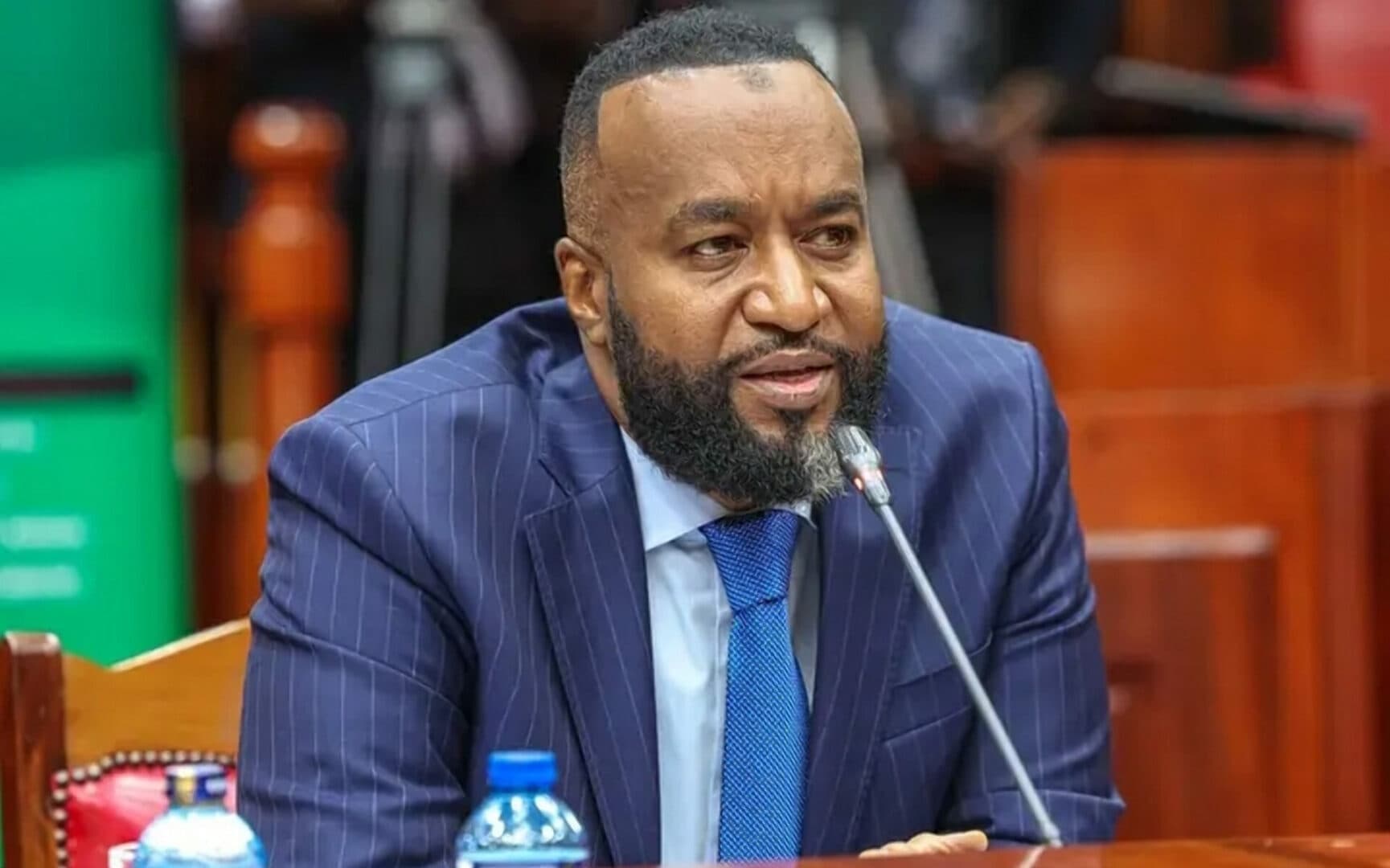
The session was convened to review and approve the multi-billion shilling financial allocations for the mining sector—an industry flagged as a key pillar for Kenya's future economic diversification. When Joho failed to appear, dispatching his Principal Secretary as a proxy, the committee members revolted.
Senators argued that while Principal Secretaries are the accounting officers, the overarching policy defense and political accountability rest squarely on the shoulders of the Cabinet Secretary. By rejecting the proxy presentation, the Senate has effectively frozen the ministry's budgetary progression until Joho answers the summons.
The delay in passing the budget policy statement has immediate and severe economic implications. Kenya's mining sector is currently undergoing massive regulatory overhauls aimed at attracting foreign direct investment.
These initiatives require billions of shillings (KES) in timely allocations. Any protracted standoff between the executive and the legislature risks stalling these critical projects, potentially deterring international investors who demand regulatory and financial predictability.
The incident brings into sharp focus the constitutional friction between the branches of government. Article 153 of the Kenyan Constitution explicitly requires Cabinet Secretaries to attend parliamentary committees when summoned to answer questions concerning their dockets.
The Senate's assertive action is widely viewed as a necessary reassertion of parliamentary authority. It sets a precedent that delegates will not be entertained during high-stakes policy defenses.
The Ministry of Mining now faces immense pressure to reschedule the appearance and ensure the Cabinet Secretary is present to defend the financial requests. Failure to resolve the impasse quickly could lead to severe budgetary cuts for the sector.
As the clock ticks on the national budget cycle, the message from the Senate is unmistakable: constitutional oversight is not optional, and executive accountability cannot be delegated.
Keep the conversation in one place—threads here stay linked to the story and in the forums.
Sign in to start a discussion
Start a conversation about this story and keep it linked here.
Other hot threads
E-sports and Gaming Community in Kenya
Active 9 months ago
The Role of Technology in Modern Agriculture (AgriTech)
Active 9 months ago
Popular Recreational Activities Across Counties
Active 9 months ago
Investing in Youth Sports Development Programs
Active 9 months ago
Key figures and persons of interest featured in this article