We're loading the full news article for you. This includes the article content, images, author information, and related articles.
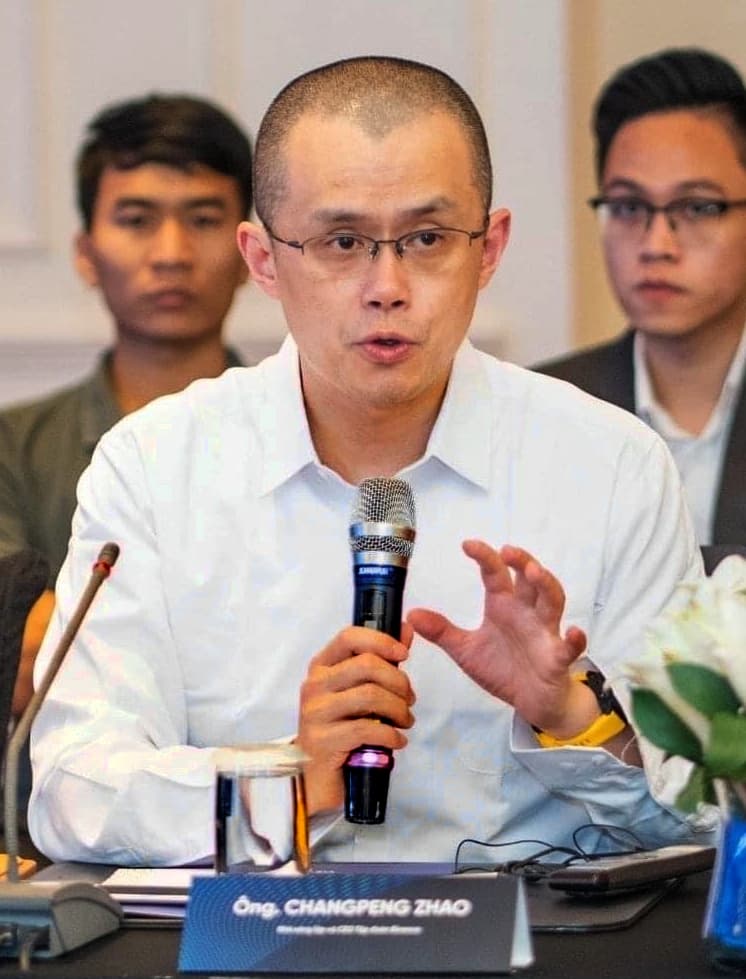
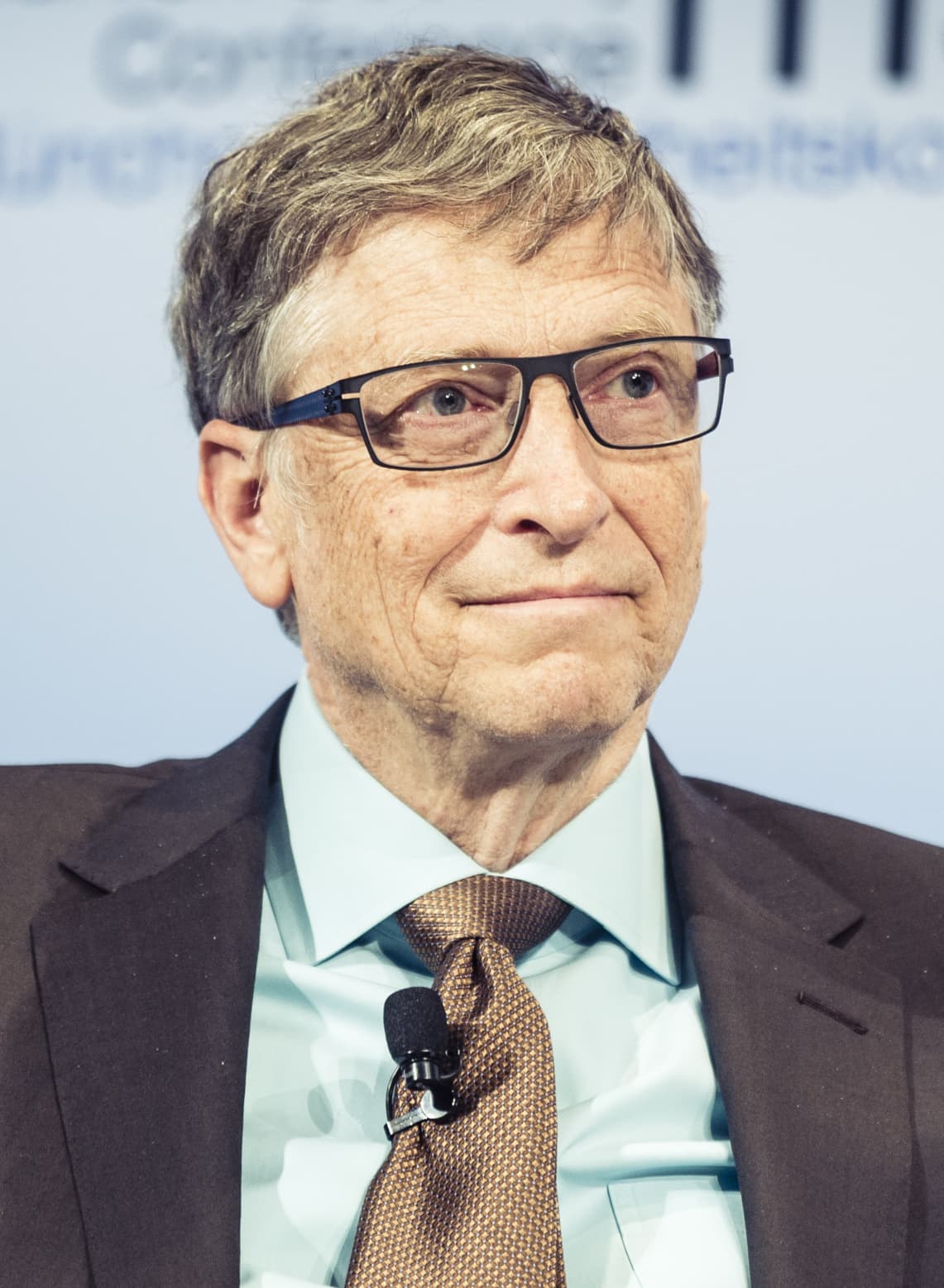
Crypto mogul Changpeng Zhao has officially overtaken Bill Gates in net worth, signaling a monumental shift in global wealth and the rise of digital assets.

In a striking reversal of fortune that underscores the seismic shift in the global financial hierarchy, Changpeng Zhao, the founder of Binance, has officially eclipsed Microsoft co-founder Bill Gates in total estimated net worth. According to the latest data from the Forbes 2026 Billionaires List, the crypto mogul’s fortune has soared to an estimated USD 110 billion (approximately KES 14.3 trillion), fueled by a sharp rebound in Binance’s valuation and a wave of strategic market positioning.
This development is not merely a footnote in financial reporting it serves as a powerful indicator of the growing legitimacy of digital assets. For informed observers in Nairobi and beyond, this transition represents more than just a change in billionaire rankings—it marks the definitive maturation of the crypto industry from a speculative fringe movement into a foundational pillar of global capital, capable of producing wealth that rivals the established tech empires of the 20th century.
Changpeng Zhao’s ascent is distinct, characterized by the high-velocity growth typical of the blockchain era. Unlike the slow, compounding interest that built legacy tech fortunes, Zhao’s wealth is tightly coupled with the operational scale of Binance, which remains the world’s largest cryptocurrency exchange by trading volume. Despite serving a four-month prison sentence in 2024 following a plea deal with U.S. authorities and stepping down as CEO, Zhao’s ownership of approximately 90 percent of the exchange continues to drive his net worth upward.
The surge is largely attributed to several key drivers in the current market environment:
Conversely, Bill Gates’ net worth has faced downward pressure, with recent estimates placing his fortune at approximately USD 106 billion to USD 115 billion. The decline reflects a confluence of factors, including record-breaking philanthropic donations to the Gates Foundation and reputational headwinds that have dampened investor enthusiasm for associated holdings.
For the Kenyan reader, this shift in wealth is not an abstract global event it is a signal of local economic trends. Kenya has emerged as one of the world’s leading cryptocurrency markets, ranking 28th globally in adoption as of early 2026. The local appetite for digital assets, which saw user numbers climb to over 733,000 by 2025, mirrors the broader global trend toward crypto as a hedge against currency volatility and a tool for efficient cross-border remittances.
The Kenyan government’s recent move to institutionalize this growth through the Virtual Asset Service Providers (VASP) Act has transformed the local landscape. No longer a grey-market activity, crypto is now being integrated into the financial framework. As Kenyan fintech firms increasingly partner with global exchanges to offer custodial and tokenization services, the wealth accumulation of industry leaders like Zhao becomes a proxy for the shifting influence of the digital economy on traditional financial structures in East Africa.
The sustainability of such monumental wealth remains a point of contention among financial analysts. While Zhao’s personal fortune has reached new heights, Binance continues to navigate a complex regulatory environment. The exchange faces ongoing pressure to demonstrate compliance with international anti-money laundering (AML) standards. The dismissal of recent terrorist-financing lawsuits against the company by a U.S. federal court was a significant win, yet it underscores the legal volatility inherent in the sector.
Institutional investors remain watchful. The discrepancy between Zhao’s net worth and that of traditional billionaires is that the former’s wealth is concentrated in an asset class that is prone to extreme, sometimes rapid, fluctuations. As Kraken and other industry analysts point out, crypto markets remain three to five times more volatile than traditional equities. This volatility implies that while CZ currently stands above Bill Gates, the stability of that position remains entirely contingent on the continued dominance of Binance in a highly competitive and increasingly regulated global market.
As the line between "crypto wealth" and "legacy wealth" continues to blur, the question for global observers is whether this shift represents a permanent restructuring of the billionaire class. With digital assets becoming embedded in institutional portfolios and the ongoing tokenization of real-world assets, the rise of figures like Zhao suggests that the future of wealth is increasingly algorithmic, decentralized, and borderless. Whether this new paradigm holds against the inevitable cycle of market corrections remains the central mystery of the 2026 fiscal year.
Keep the conversation in one place—threads here stay linked to the story and in the forums.
Sign in to start a discussion
Start a conversation about this story and keep it linked here.
Other hot threads
E-sports and Gaming Community in Kenya
Active 9 months ago
The Role of Technology in Modern Agriculture (AgriTech)
Active 9 months ago
Popular Recreational Activities Across Counties
Active 9 months ago
Investing in Youth Sports Development Programs
Active 9 months ago
Key figures and persons of interest featured in this article