We're loading the full news article for you. This includes the article content, images, author information, and related articles.
Zagreb's award-winning Advent market is the centerpiece of a national strategy to transform Croatia's tourism sector from a seasonal affair into a year-round economic engine, a lesson in diversification that resonates with Kenya's own ambitions.
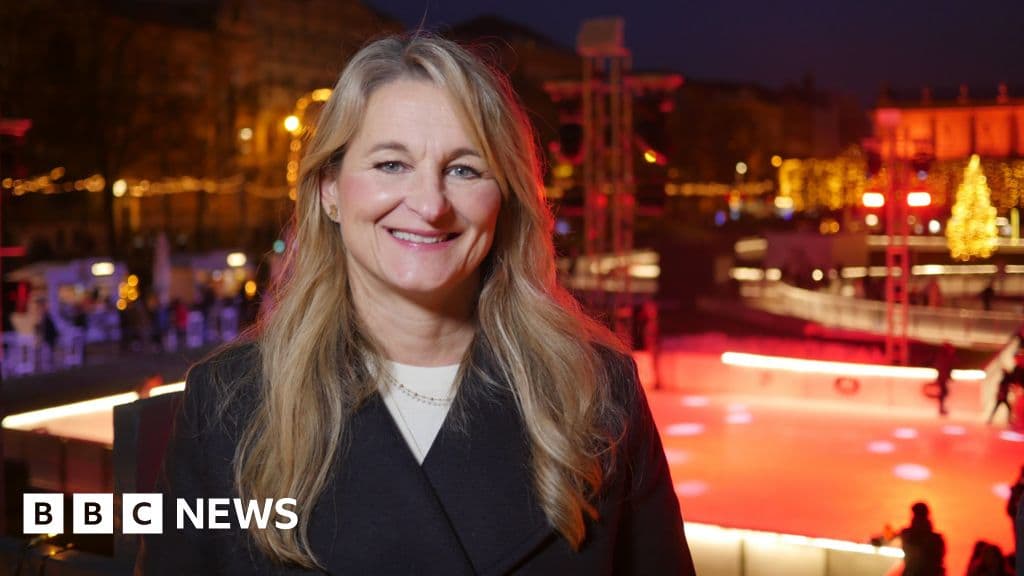
In the heart of Zagreb, the scent of mulled wine and roasted sausages is more than just festive cheer—it's the smell of economic strategy. Croatia is betting big on Christmas to redefine its future.
For years, Croatia's economic rhythm has been dictated by the summer sun on its Adriatic coast. Tourism makes up over a fifth of its economy, a dependency that leaves it vulnerable to seasonal lulls. Now, the government is pushing a deliberate transformation into a year-round destination, and the Zagreb Advent festival is its star player.
This isn't just a collection of wooden stalls; it's a sprawling, city-wide event that has seen visitor numbers more than double in a decade, injecting an estimated €100 million (approx. KES 15.1 billion) into the local economy in 2024 alone from nearly 250,000 overnight visitors. The goal is clear: create a compelling reason for tourists to arrive long after the beaches have cooled.
"We are developing as a year-round tourism destination – we are not a summer destination anymore," emphasized Croatia's Tourism Minister, Tonči Glavina, highlighting a strategic shift away from the classic "sun and sea" model. This ambition is backed by a robust marketing campaign, with advertisements for Zagreb Advent appearing as far away as London's tube stations and Milan's buses.
The effort is a direct challenge to established Christmas market titans like Vienna and Strasbourg. While Zagreb is a newer player, its rapid growth and repeated accolades—including being voted "Best Christmas Market in Europe" three years in a row—signal a potent new competitor in a lucrative field. European Christmas markets are a serious economic force, with a recent analysis showing visitor spending at top markets has surged by almost 15% in the last three years.
For a nation like Kenya, where tourism is a cornerstone of the economy, Croatia's strategy offers a powerful case study. The over-reliance on the traditional safari and beach products has long been a point of discussion. Zagreb's success demonstrates how a focused investment in cultural and urban tourism can create a new, sustainable revenue stream, lessening the pressure on seasonal attractions and distributing economic benefits more widely.
The mechanics of Zagreb's success lie in its scale and quality. The event is a multi-venue spectacular, offering a diverse range of attractions from ice skating rinks to gourmet food zones. A visitor can expect to spend on various local goods and experiences:
This diversification is not just about attracting foreign currency; it's about building resilience. As Croatia continues to invest in its winter appeal, it provides a blueprint for how to turn a perceived off-season into a high-value opportunity. The question for Kenya is not whether to copy Zagreb, but how to identify and cultivate its own unique, year-round attractions to secure the future of its vital tourism sector.
Keep the conversation in one place—threads here stay linked to the story and in the forums.
Sign in to start a discussion
Start a conversation about this story and keep it linked here.
Other hot threads
E-sports and Gaming Community in Kenya
Active 9 months ago
The Role of Technology in Modern Agriculture (AgriTech)
Active 9 months ago
Popular Recreational Activities Across Counties
Active 9 months ago
Investing in Youth Sports Development Programs
Active 9 months ago



